
On this page
So, you're living in Germany as an expat and thinking about retirement? It's a big topic, and honestly, it can feel a bit like trying to solve a puzzle with pieces from different boxes.
The German pension system is quite something, with its public schemes, private options, and all sorts of rules. Plus, you've got your own life, maybe a career that's taken you to a few different places.
It’s easy to put off thinking about retirement planning for expats in Germany, but that’s exactly what we need to talk about. Let's break down how to get a handle on this, so you can actually relax when the time comes.
Pension Gap Calculator
Estimate your retirement income gap and how much you may need to invest to close it (planning estimate).
Your inputs
Savings & assumptions
*Planning estimate only. Public pension depends on your German insurance record (e.g., Renteninformation), future work, and legislation.
Results

Financial Advisory for Expats in Germany
In our free digital 1:1 consultation, our independent investment advisors help you develop a plan for your wealth accumulation that fits your financial goals.
Key Takeaways
- Don't put off retirement planning just because you're an expat in Germany; your future financial stability matters regardless of where you live.
- Your German pension contributions don't vanish if you leave the country; after five years of contributions, you can claim a partial pension abroad.
- The German public pension alone might not cover all your retirement needs, making private savings plans important for a comfortable lifestyle.
- Private pension options like Riester and Rürup offer tax benefits and government bonuses, helping your savings grow.
- Consider company pension schemes (bAV) offered by your employer as an additional way to boost your retirement fund.
- Germany has tax treaties with many countries to prevent you from being taxed twice on your pension income.
- If you leave Germany before meeting the minimum contribution period, you might be able to get a refund of your social security contributions.
- Seeking advice from a financial advisor experienced with expat pensions can help you create a personalised plan that fits your international lifestyle.
Understanding the German Pension Landscape for Expats
Moving to Germany as an expat brings many exciting opportunities, but it also means getting to grips with a new pension system. It's not always straightforward, especially when you're trying to figure out how your contributions work and what you'll actually get back when you retire. This section aims to break down the basics of Germany's retirement income structure so you can start planning with more confidence.
The German Public Pension System: An Overview
The public pension system, known as the gesetzliche Rentenversicherung, is the main pillar of retirement income for most people living and working in Germany. It operates on a pay-as-you-go basis, meaning that the contributions from today's workers are used to pay the pensions of current retirees. It's a system that has been in place for a long time, and it's designed to provide a safety net for your later years.
Eligibility for Public Pension Benefits
Generally, if you're employed in Germany and your salary is subject to social security contributions, you're automatically contributing to the public pension system. This applies to most employees. For those who are self-employed or work as freelancers, participation in the public system is often voluntary, though certain professions might be required to contribute. Meeting the minimum contribution period is key to receiving benefits.
Contribution Rates and Calculation Methods
Currently, the total contribution rate for the public pension is 18.6% of your gross monthly salary. This is split equally, with 9.3% paid by the employee and 9.3% paid by the employer. These deductions are usually made automatically from your pay. The amount you receive in retirement isn't just based on how much you earned, but also on how long you contributed. The system uses 'pension points' to track your contributions relative to the average income. Each point is worth a certain amount, and your total points multiplied by this value, adjusted for your retirement age, determines your pension. For example, you earn roughly one pension point for every €50,493 contributed, with each point currently valued at €40.79. This system is relevant for expats and requires understanding how to report these pension options [a645].
The Role of Occupational Pensions (bAV)
Beyond the state pension, many employers in Germany offer occupational pension schemes, known as betriebliche Altersvorsorge (bAV). These are supplementary plans designed to boost your retirement income. They can be set up in various ways, often involving contributions from both you and your employer, and can offer attractive tax benefits. It's worth checking if your employer provides such a scheme.
Voluntary Contributions to the Public System
If you've had periods of unemployment, worked abroad, or simply want to increase your future pension, you have the option to make voluntary contributions to the public pension system. This can be particularly useful for expats who might have gaps in their contribution history. Making these extra payments can help you reach the minimum contribution period or increase the number of pension points you accumulate.
Navigating Pension Reforms and Future Adjustments
Like many countries, Germany's pension system is subject to ongoing reforms. The government periodically adjusts contribution rates, benefit calculations, and the official retirement age to ensure the system's long-term financial stability. It's a good idea to stay informed about these changes, as they can impact your retirement planning. The net replacement rate of the German pension is projected to decrease, so private planning becomes even more important.
Understanding East and West German Pension Alignment
Following German reunification, efforts have been made to align the pension systems of East and West Germany. While significant progress has been made, some differences in contribution ceilings and calculation methods may still exist, particularly for older contribution periods. For most expats working in unified Germany today, this distinction is less of a concern, but it's part of the historical context of the system.
Key Private Pension Options in Germany
While the German public pension system provides a baseline for retirement, it might not be enough to maintain your desired lifestyle. That's where private pension options come into play. These plans can supplement your state pension, offering more flexibility and potentially higher payouts. It's a good idea to look into these early on, as time is a big factor in how much these plans can grow.
Riester Pension: Benefits and Eligibility for Expats
The Riester pension is a popular choice, especially for those with residency in Germany. It's a government-subsidised savings plan that comes with some nice perks, like tax advantages and state bonuses. To be eligible, you generally need to be paying into the German social security system. It's a solid way to boost your retirement savings, and you can find more details about its benefits and how it works on our blog about Riester Pension.
Rürup Pension (Basisrente) for Self-Employed and High Earners
If you're self-employed or earn a higher income, the Rürup pension, also known as Basisrente, could be a good fit. It's designed for long-term income security and offers significant tax benefits. You can make substantial tax-deductible contributions, which can be a real advantage. The amount you can contribute each year is linked to certain income limits and contribution rates. This plan allows for payouts either as a lump sum or as regular monthly payments once you reach retirement age, typically 63.
Exploring Company Pension Schemes (bAV)
Many employers in Germany offer occupational pension schemes, or 'betriebliche Altersvorsorge' (bAV). These are a great way to add to your retirement pot, often with employer contributions. Think of it as an extra layer of security on top of your state pension. There are different types of bAV, like direct promises from the employer or plans set up with external providers. Each has its own rules regarding contributions, tax deductions, and benefits. Some might even offer earlier payout options than the state pension.
Tax Incentives Associated with Private Pensions
Germany offers several tax incentives to encourage private pension savings. For instance, contributions to schemes like Riester and Rürup are often tax-deductible. This means you can reduce your taxable income in the present, which can lead to immediate tax savings. It's a smart way to make your money work harder for your future retirement.
Government Bonuses and Subsidies Available
Beyond tax breaks, some private pension plans come with direct government support. The Riester pension, for example, includes state bonuses, especially for those with children. These subsidies can significantly boost your savings over time, making it a more attractive option for building retirement wealth. It's worth checking the specific requirements to see if you qualify for these extra funds.
Choosing the Right Private Plan for Your Needs
With various options available, picking the right private pension plan can feel a bit overwhelming. It really depends on your personal circumstances, like your employment status, income level, and how much risk you're comfortable with. Some plans are more flexible than others, and some might be better suited for specific groups, like the self-employed. It’s a good idea to compare the features, costs, and potential returns of different plans to find the best match for your retirement goals. You can find more information on how to select a suitable plan on our blog about pension plans in Germany.
Understanding Contribution Limits and Payout Options
Each private pension plan will have its own rules about how much you can contribute annually and the maximum amounts allowed. It's important to be aware of these limits to plan your savings effectively. When it comes to payouts, you'll typically have choices: receiving your savings as a lump sum, a regular monthly income, or sometimes a combination of both. Understanding these options beforehand helps you plan your retirement income stream.
Eligibility and Contribution Requirements
Getting to grips with the rules around pensions in Germany can feel a bit like trying to solve a jigsaw puzzle with missing pieces, especially when you're new to the country. Let's break down who qualifies for what and what you need to put in to get something back later.
Minimum Contribution Periods for State Pensions
To even be considered for a state pension, you generally need to have paid into the system for a minimum of five years. This period is often referred to as the 'Wartezeit' or waiting period. It's not just about the time you've been employed; certain other periods, like raising children or caring for relatives, can sometimes count towards this, but there are specific rules about how and when they apply. Meeting this minimum contribution period is the first hurdle for most people.
Impact of Employment Status on Pension Contributions
Your employment status significantly shapes how you contribute. If you're a standard employee, your employer typically deducts your share of pension contributions directly from your salary, and they pay their portion too. It's a straightforward process. However, if you're self-employed or a freelancer, things can be a bit more complex. You might have the option to contribute voluntarily, or in some cases, you might be obligated to contribute, depending on your specific profession and income.
Eligibility for Non-Citizens and Residency Requirements
Good news here: you don't need to be a German citizen to be eligible for pension benefits. As long as you've legally worked in Germany and paid into the system, you can build up pension entitlements. The key is your contribution history and legal residency status during your working years. If you've worked in multiple EU countries, your time in Germany can often be combined with contributions from other member states to meet minimum requirements.
Voluntary Participation in the Public Pension System
For some individuals, particularly those who don't have mandatory contributions (like certain self-employed individuals or those who have gaps in their employment), there's the option to make voluntary contributions to the public pension system. This can be a smart move if you're looking to top up your pension entitlement, especially if you anticipate periods where you weren't paying in. It's a way to bridge gaps and potentially increase your future pension payout.
Contribution Assessment Ceilings Explained
There's a limit to how much of your income is actually subject to pension contributions. This is known as the 'Beitragsbemessungsgrenze' or contribution assessment ceiling. In 2025, for example, this ceiling is set at a certain monthly amount. Any income you earn above this limit isn't factored into your pension contributions. This means that high earners don't contribute a proportionally higher amount to the state pension beyond this cap.
| Year | Contribution Assessment Ceiling (Monthly) | Contribution Rate | Max Annual Contribution (Employee Share) |
|---|---|---|---|
| 2024 | €7,550 (West) / €7,150 (East) | 18.6% | €16,839 (West) / €15,949 (East) |
| 2025 | €7,950 (West) / €7,750 (East) | 18.6% | €17,718 (West) / €17,259 (East) |
The Role of Social Security Contributions
Your pension contributions are part of a broader social security system in Germany. This system also covers health insurance, unemployment benefits, and long-term care insurance. When you pay into the pension system, you're fulfilling a legal requirement that also grants you access to these other social safety nets. It's all interconnected.
Specific Eligibility for Freelancers and Self-Employed
Freelancers and the self-employed have a few different paths. Some professions are mandatorily required to contribute to the state pension (like craftspeople or teachers), while others have the choice. For those who can opt out, or for those who are self-employed in a way that doesn't require contributions, private pension plans like the Rürup pension become very attractive, especially due to their tax advantages. It's a decision that really depends on your individual circumstances and future plans.
Understanding these requirements is the first step towards building a solid retirement plan. Don't hesitate to seek advice if any of this feels unclear; the German pension system has many nuances.
Calculating Your German Pension Entitlement

Figuring out how much you'll receive from the German public pension system can seem a bit daunting, especially when you're an expat. It's not just a simple case of adding up your contributions; several factors come into play. The core of the calculation revolves around your 'pension points' (Entgeltpunkte). These points are earned throughout your working life in Germany and are a key indicator of your future retirement income.
Factors Influencing Pension Benefit Calculations
Your final pension amount isn't a mystery; it's determined by a formula that takes into account your earnings history, the duration of your contributions, and the age at which you decide to retire. The German Pension Insurance (Deutsche Rentenversicherung) uses a specific method to translate your working life into a monthly payout. It's a system designed to reflect your contributions over time.
The Significance of Average Lifetime Income
One of the main components in calculating your pension points is the average income earned by all insured persons in a given year. This figure is set annually and is used as a benchmark. If you earn exactly the average income in a year, you get one full pension point. Earning more or less than the average will result in a proportional number of points. For instance, earning half the average income would grant you half a point for that year. This average income is crucial for understanding how your personal earnings stack up.
How Contribution Duration Affects Your Pension
The longer you contribute to the German pension system, the more pension points you will accumulate. Each year of employment where you earn an average income contributes one point. If you have gaps in your employment, these years won't contribute points, potentially reducing your overall entitlement. However, certain periods, like caring for children, can sometimes be recognised as contribution periods, which is good to know.
Understanding Pension Points and Their Value
As mentioned, pension points (Entgeltpunkte) are central to the calculation. These points are then multiplied by a pension value (e.g., €36.02 in West Germany in 2022) and an access factor (Zugangsfaktor) that reflects your retirement age. The access factor adjusts your pension based on whether you retire earlier or later than the standard retirement age. For example, retiring later generally increases your monthly pension.
Estimating Future Pension Payouts
While it's impossible to get an exact figure years in advance, you can get a good estimate. The German Pension Insurance provides annual statements detailing your accumulated pension points. You can also use online tools to project your future pension. For a more personalised estimate, you can contact the Deutsche Rentenversicherung directly. They can provide a detailed breakdown based on your specific contribution record. You can use their pension estimation tool to get a clearer picture.
The Impact of Salary on Contribution Amounts
Your gross salary directly influences how much you and your employer contribute to the pension fund. These contributions are calculated based on your salary up to a certain ceiling, known as the contribution assessment ceiling (Beitragsbemessungsgrenze). In 2023, this ceiling was €7,050 per month in West Germany and €6,750 in East Germany. Contributions above this limit are not credited towards your pension entitlement.
Reconciliation of East and West German Pension Calculations
Historically, there have been differences in pension calculations and values between East and West Germany. While efforts have been made to align these, some distinctions may still exist, particularly concerning the pension value and average income figures used in calculations. The German Pension Insurance takes these regional differences into account when determining your final pension amount. The formula for calculating pensions accounts for these regional factors.
It's important to remember that your pension entitlement is based on the contributions you and your employer have made over your working life in Germany. The system aims to provide a retirement income that reflects your economic contribution during your years of employment.
Here's a simplified look at the calculation:
| Component | Description |
|---|---|
| Pension Points (EP) | Earned based on your income relative to the average income each year. |
| Pension Value (PW) | The monetary value of one pension point, adjusted annually (e.g., €36.02). |
| Access Factor (ZF) | Adjusts the pension based on retirement age (e.g., 1.0 for standard age). |
| Monthly Pension | EP x PW x ZF |
- Contribution Duration: The total number of years you've paid into the system.
- Average Earnings: Your income compared to the national average each year.
- Retirement Age: When you choose to stop working and claim your pension.
Understanding these elements will help you better estimate your future retirement income from the German public pension system.
Retirement Planning for Expats: A Global Perspective
Many expats arrive in Germany with the idea that their stay is temporary. "Just a few years," they might think. But life has a way of unfolding, and before you know it, Germany starts to feel a bit more like home. Yet, when it comes to planning for retirement, a lot of people put it off. Why bother planning for retirement in Germany if you're not sure you'll stay here long-term? Well, the truth is, retirement planning isn't really about where you are right now; it's about how you want to live later. And no matter where your future takes you, the decisions you make today will shape your financial well-being.
Why Start Retirement Planning While in Germany?
It's quite common to feel a bit lost with unfamiliar pension systems or the general bureaucracy in Germany. You might feel like you're just 'in between countries'. This often leads to delaying retirement planning. The real issue with this delay, however, is that you lose time. And when it comes to planning for retirement, time is your most valuable asset. Compound interest doesn't wait for anyone, and pension gaps don't magically fill themselves. Plus, state pension systems, whether in Germany or elsewhere, rarely cover all your retirement needs. You'll almost certainly need private savings to ensure you're financially stable down the line, wherever you end up living. It's worth looking into the top countries for retirement to get an idea of future possibilities.
The Cost of Postponing Your Retirement Planning
Delaying your retirement planning means losing valuable time. Compound interest, the magic of your money making more money, doesn't wait. Contribution gaps in your pension history don't fill themselves retroactively. And let's be honest, state pensions alone are unlikely to fully fund the retirement lifestyle most people dream of. This is why building private retirement savings is so important for long-term stability, no matter your future location.
Your German Pension's Portability Abroad
A common worry among expats is that their German state pension contributions are only useful if they retire in Germany. This simply isn't true. If you've paid into the German system for at least five years, you're entitled to a partial German pension, even if you move abroad later. For instance, if you worked in Germany for seven years and then relocated, you would still receive a proportional pension payment from Germany when you reach retirement age, even if you never return. Your contributions don't just disappear; they can become a significant part of your overall retirement picture.
Thinking Globally, Planning Locally
Just as your career and personal life might span different countries, so too can your retirement planning. But it has to start somewhere. If you're currently living and working in Germany, now is the opportune moment to begin. Waiting until you're in a more permanent location might mean you miss out on crucial time. It's possible to coordinate your investment and pension strategy internationally. More importantly, the peace of mind that comes from knowing you're prepared is invaluable.
Coordinating International Pension Strategies
Your life as an expat is often mobile. You might be in Germany now but plan to retire in Portugal, or perhaps move back to your home country eventually. Your retirement plans need to be portable, flexible, and realistic. Above all, they must be intentional. Regardless of where you are geographically, your fundamental retirement needs remain the same: a secure home, reliable healthcare, enough income to maintain your lifestyle, and the freedom from constant money worries. These aren't luxuries; they are necessities, and achieving them is difficult without a solid financial strategy. For Americans, understanding how to manage existing retirement accounts while abroad is a key part of this strategy.
The Value of Early Retirement Planning
Starting early is key. The power of compound growth over time can significantly boost your retirement savings. It helps you maximise your potential savings and avoid future contribution gaps. Making informed decisions today sets you up for a more stable financial future. The compounding effect on investment growth is substantial, and the earlier you start, the more pronounced it becomes.
Ensuring Long-Term Financial Stability
Ultimately, retirement planning is about preparing for the future. It's about taking control and making smart choices regarding where you might live, how much you'll need each month, what insurance you should maintain, how your investments can grow, and how to manage risks like inflation or currency fluctuations. Planning helps you define your vision for retirement – what you want to do, where you want to live, and what will bring you joy and purpose. Once that vision is clear, the financial aspect becomes a tool to achieve it, rather than a barrier. Retirement planning doesn't tie you down; it sets you free.
Personal Freedom Through Private Retirement Planning
Government Pensions vs. Personal Retirement Needs
The state pension, whether you're contributing in Germany or elsewhere, was never really set up to cover all your retirement expenses. This is particularly true for those of us who've moved around, perhaps had periods of self-employment, or taken career breaks. The good news is, you can create your own private pension plan that actually fits your life, and you can tweak it as things change.
Building a Flexible Private Pension Strategy
Planning for retirement isn't about having a crystal ball; it's about getting ready. When you start planning, you're taking the reins. You get to make sensible choices about where you might want to live, how much money you'll need each month, what insurance policies you should keep, how your investments can grow, and how to deal with things like inflation, currency shifts, or healthcare costs. Ultimately, planning helps you figure out what you actually want your retirement to look like. What activities do you envision? Where do you see yourself living? What will bring you genuine joy and a sense of purpose? Once that picture is clear, the financial side becomes a tool to help you get there, not a hurdle.
Taking Control of Your Financial Future
As expats, we're often quite mobile. You might be in Germany now, but perhaps you plan to retire in Spain, or maybe you'll eventually move back to your home country. Your retirement plans need to be portable, adaptable, and realistic. Most importantly, they need to be intentional. Regardless of where you end up living, your basic retirement needs tend to stay the same:
- A secure and stable place to call home.
- Access to reliable healthcare.
- Enough income to keep up your desired lifestyle.
- The ability to enjoy your free time without constantly worrying about money.
These aren't just nice-to-haves; they're necessities. And achieving them is pretty much impossible without a solid financial strategy. Starting your private pension planning now, even while in Germany, can make a significant difference to your future financial well-being. A private pension, starting from just €25 per month, can help bridge the gap left by the state pension, ensuring you have both financial security and freedom during your retirement years. Explore private pension options.
Defining Your Retirement Vision and Goals
It's easy to think that the pension plans you see advertised won't quite fit your international lifestyle. That might be true, but there are still options available. You don't need a generic solution. You need a personalised retirement plan that takes into account all the different aspects of your life: your current financial situation in Germany, any family or legal commitments you have, your citizenship, your long-term plans for where you might live, and your personal tolerance for risk alongside your life goals. There isn't one single 'perfect' pension product out there. However, with the right guidance, you can select from the available tools to build a coherent, international strategy that works for you.
Using Financial Planning as a Tool, Not a Barrier
Many expats arrive in Germany with the idea that it's just a temporary stop. "Only a few years," they might think. But then life happens – jobs change, families grow, and suddenly, Germany starts to feel a bit more permanent. Yet, when it comes to planning for retirement, many put it off. After all, why bother planning in Germany if you're not sure you'll stay? The reality is, retirement planning isn't about where you're living right now; it's about how you want to live later. And whether you remain in Germany or move elsewhere, your financial future hinges on the choices you make today. Delaying your retirement planning means losing time, and in the world of pensions, time is your most valuable asset. Compound interest doesn't wait, and contribution gaps don't magically fill themselves. State pension systems, in Germany or elsewhere, rarely cover all your financial needs. There's really no way around it: you need private retirement savings to guarantee long-term stability, no matter where life takes you.
Achieving Peace of Mind Through Preparation
It's quite common to feel a bit overwhelmed by unfamiliar pension systems or the bureaucracy in Germany, or to feel like you're 'in between countries', so it's understandable that many expats postpone their retirement planning. But here's the issue: delaying means losing time, and in retirement planning, time is your most valuable asset. Compound interest doesn't wait. Contribution gaps don't fill themselves. And state pension systems – whether in Germany or abroad – rarely meet your full financial needs. There’s no way around it: you need private retirement savings to ensure long-term stability, no matter where your future takes you.
Adapting Your Plan to Changing Life Circumstances
Your German pension contributions don't just disappear if you leave the country. This is a common misunderstanding among expats. If you work and contribute to the German system for at least five years, you'll qualify for a partial German pension, even if you move away later. For instance, if you worked in Germany for seven years and then relocated, you would still receive a proportional pension payment from Germany when you reach retirement age, even if you never return. It's important to remember that your contributions in Germany don't vanish; they can become a valuable part of your overall global retirement picture.
Addressing the Unique Needs of Expats
As an expat living and working in Germany, your retirement planning journey is likely to be a bit different from that of a local resident. You might have a career that spans multiple countries, periods of self-employment, or perhaps you're not entirely sure where you'll settle down long-term. These factors mean a standard, one-size-fits-all approach to pensions just won't cut it.
Non-Linear Careers and Retirement Planning
Many expats don't follow a straight career path. You might have taken time out to travel, switched industries, or worked for companies in different countries. This can lead to gaps in your pension contributions, which can impact your final payout. It's important to understand how these gaps affect your entitlement and explore options to fill them if possible. This is where proactive planning becomes really important.
Handling Career Breaks and Gaps in Contributions
Career breaks, whether for personal reasons or due to job changes, are common for expats. These breaks can create gaps in your contribution history to the German pension system. While some gaps might be unavoidable, it's worth investigating if voluntary contributions are an option to maintain your eligibility for benefits. Understanding the rules around these gaps is key to avoiding surprises later on.
Personalised Retirement Plans for International Lifestyles
Your retirement plan needs to be as unique as your expat journey. It should consider your current financial situation in Germany, your family commitments, and your long-term aspirations. Are you planning to retire in Germany, move back to your home country, or perhaps somewhere else entirely? Your plan needs to be flexible enough to accommodate these possibilities. It's about building a strategy that fits your life, not the other way around.
Considering Citizenship and Long-Term Location Plans
Your citizenship and your intentions for where you'll live in retirement can significantly influence your pension options. For instance, tax treaties between Germany and your home country can affect how your pension income is taxed. Thinking about these long-term plans now can help you make more informed decisions about your pension contributions and investments. It's wise to look into managing wealth for Americans moving to Germany if that applies to your situation.
Risk Tolerance and Life Goals in Planning
Everyone has a different comfort level with financial risk. Some expats are happy to take on more risk for potentially higher returns, while others prefer a more conservative approach. Your retirement plan should reflect this. It's also vital to align your financial goals with your broader life aspirations. What do you want your retirement to look like? Do you dream of travelling, pursuing hobbies, or spending more time with family? Your financial plan should support these dreams.
Choosing the Right Financial Tools and Advisors
With so many pension products and financial services available, it can be overwhelming to choose the right ones. It's often best to seek advice from professionals who specialise in expat financial planning. They can help you understand the complexities of the German system and how it interacts with any existing pension plans you might have from other countries. They can also guide you on tax implications and portability of your pension funds.
Building a Coherent International Retirement Strategy
Ultimately, the goal is to create a retirement strategy that works across borders. This means coordinating your German pension contributions with any pensions from previous countries of residence, as well as any private savings you have. A well-thought-out international strategy can provide peace of mind, knowing that your retirement income is secure, no matter where life takes you.
The Importance of Early Action in Retirement Planning
Many expats move to Germany with a temporary mindset. “Just a few years,” they tell themselves. But then life happens, jobs change, families grow, and suddenly, Germany feels a little more permanent. Still, when it comes to retirement planning, many delay taking action. After all, why plan in Germany if you don’t plan to stay?
Here’s the truth: retirement planning is not about where you live now; it’s about how you want to live later. And whether you stay in Germany or move elsewhere, your financial future depends on the decisions you make today. Here are some good reasons to start your retirement planning while you are still in Germany.
The Power of Compound Growth Over Time
It's common to feel overwhelmed by the unfamiliar pension system or the bureaucracy in Germany, or to consider yourself “in between countries”, so it’s no surprise that many expats delay their retirement planning. But here’s the problem: delaying means losing time, and in retirement planning, time is your most valuable asset. Compound interest doesn’t wait. Contribution gaps don’t fill themselves. And state pension systems – whether in Germany or abroad – rarely meet your full financial needs. There’s no way around it: you need private retirement savings to ensure long-term stability, no matter where your future takes you. The earlier you start, the more your money can grow thanks to the magic of compounding.
Maximising Your Retirement Savings Potential
Starting early allows you to take full advantage of investment growth. Even small, regular contributions made over a longer period can accumulate into a substantial sum. This is because your earnings also start earning returns, a snowball effect that’s hard to replicate if you begin later in life. For instance, consider these potential outcomes:
| Contribution per Month | Years | Estimated Total Value (Illustrative) |
|---|---|---|
| €100 | 10 | €15,000 |
| €100 | 30 | €60,000 |
| €200 | 30 | €120,000 |
These figures are purely illustrative and do not account for investment performance, inflation, or fees.
Avoiding Future Contribution Gaps
Life as an expat can be unpredictable. You might experience career breaks, periods of self-employment, or changes in employment status. These can lead to gaps in your pension contributions, which can significantly impact your final pension amount. By establishing a retirement plan early, you create a framework that helps you manage these fluctuations and minimise the long-term consequences of any missed contributions. It's about building a resilient plan that can adapt to your changing circumstances.
The Irreversible Nature of Lost Time
Time is a finite resource, especially when it comes to building wealth for retirement. Once a year passes without you contributing to your pension or investments, that specific year's potential growth is lost forever. You can't go back and make up for it. This makes proactive planning not just advisable, but absolutely necessary for a secure future.
Making Informed Decisions Today for Tomorrow
Starting early gives you the breathing room to research and understand your options. You can explore different pension products, understand the German public pension system, and even look into options like the Riester pension, which offers state contributions for eligible individuals. This allows you to make choices that align with your long-term goals, rather than rushing into decisions under pressure. It’s about making deliberate choices that support your vision for retirement, wherever that may be. You can find more information on the German statutory pension system.
The Compounding Effect on Investment Growth
When you invest early, your money has more time to benefit from compound growth. This means your initial investment, plus any interest or returns it generates, starts earning returns itself. Over decades, this effect can dramatically increase the size of your retirement fund. It’s a powerful tool for wealth accumulation that is most effective when given ample time to work.
Securing a Stable Financial Future
Ultimately, early action in retirement planning is about taking control of your financial destiny. It’s about building a safety net that allows you to enjoy your later years without financial stress. Whether you plan to retire in Germany or elsewhere, having a well-thought-out retirement strategy provides peace of mind and the freedom to live the life you envision. Remember, even if you leave Germany, your contributions don't disappear; they can form a valuable part of your global retirement savings. For those who continue to work past the official retirement age, Germany offers incentives such as an "active retirement" tax break, exempting the first €2,000 of monthly income from tax working pensioners.
Understanding Pension Rights When Leaving Germany
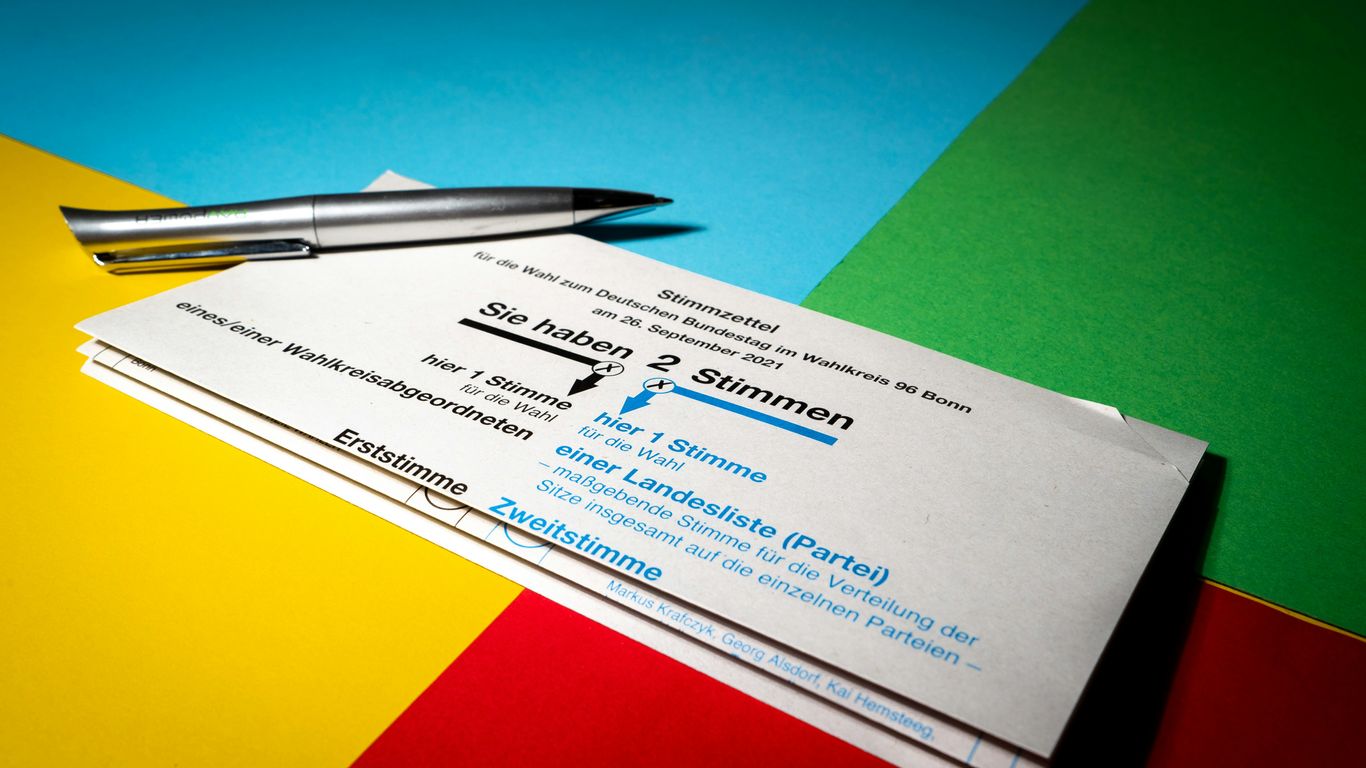
Your German Pension Contributions Don't Disappear
So, you've spent some time working and contributing to the German pension system, but now you're thinking about moving on. It's a common scenario for expats, and you might be wondering what happens to all those contributions you've made. The good news is, they don't just vanish into thin air. If you've paid into the German state pension system for at least five years, you'll generally be eligible to claim a partial German pension later on, regardless of where you live in retirement. This is a really important point to get your head around, as it means your time in Germany can still contribute to your future financial security.
Qualifying for a Partial German Pension Abroad
Even if you leave Germany before reaching retirement age, your contributions aren't lost. The German pension system has agreements with many countries, especially within the EU, to ensure your contributions are recognised. If you've met the minimum contribution period, which is typically five years, you can claim a proportional pension from Germany when you reach the official retirement age. This applies even if you've never lived in Germany before or don't plan to return. It's all about the time you've spent contributing to the system. You can find out more about how these agreements work on the Deutsche Rentenversicherung website.
Claiming Your Pension Regardless of Residence
It's a common worry that if you leave Germany, you'll lose out on your pension. However, this isn't the case. The German pension authority, the Deutsche Rentenversicherung, will pay out pensions to beneficiaries living anywhere in the world. The process might involve a bit of paperwork, and you'll need to keep them updated with your current address, but your entitlement remains. This means you can plan your retirement location without being tied to Germany solely because of your pension contributions.
The Process of Pension Refunds
If you haven't worked in Germany for the minimum five years required for a state pension, you might be eligible for a refund of your contributions. This is a straightforward process, though it does mean you forfeit any future claim to a German state pension. It's a trade-off, and the decision depends on your individual circumstances and future plans. You'll need to apply for this refund after you've left Germany and usually after a waiting period.
When a Pension Refund is Advisable
Getting a refund makes sense if you're certain you won't meet the minimum contribution period and don't anticipate ever returning to Germany to work. It's essentially getting your money back, minus certain administrative costs. However, if you think there's even a small chance you might return to Germany, or if you've contributed for close to five years, it's often better to wait and claim a partial pension later. A refund means you can't claim any future pension benefits, so it's a decision not to be taken lightly.
Navigating Bureaucracy for Pension Refunds
Dealing with German bureaucracy can sometimes feel a bit daunting, especially when you're trying to sort out pension refunds from abroad. There are specific forms to fill out and documents to provide. Thankfully, there are services that can help expats with this process, often providing assistance in English. These services can manage the application on your behalf, making it much simpler. If you've left Germany and are looking to claim back your contributions, exploring these options might save you a lot of hassle. German Pension Refund can assist with this.
The Long-Term Implications of Pension Refunds
It's really important to understand that taking a pension refund is a permanent decision. Once you receive the refund, your right to a German state pension based on those contributions is gone. This means that if you later decide to move to a country with a social security agreement with Germany, you won't be able to count those refunded years towards your pension entitlement in that country. So, before you opt for a refund, think about your long-term retirement plans and whether those German contributions might be more valuable as a future pension than as a lump sum now.
Tax Treaties and Double Taxation Avoidance
When you're living and working abroad, especially in a country like Germany with a robust pension system, it's easy to get a bit lost in the details. One area that often causes confusion for expats is how their pension contributions and future payouts are taxed, particularly if they have ties to other countries. Thankfully, Germany has a pretty extensive network of tax treaties designed to prevent you from being taxed twice on the same income. This is a big deal for your retirement planning.
Germany's Extensive Network of Tax Treaties
Germany has agreements in place with over 90 countries. These treaties are essentially agreements between two countries to sort out tax matters, making sure individuals and businesses aren't unfairly burdened. For expats, this means your pension contributions and future pension income are less likely to be taxed in both Germany and your home country. It's worth checking the official list from the Bundesfinanzministerium der Finanzen to see if your home country has such an agreement with Germany.
How Tax Treaties Affect Your Pension Income
These treaties can significantly impact how much of your pension you actually get to keep. They usually specify which country has the primary right to tax certain types of income, including pensions. Often, the treaty will state that your pension income is taxed in the country where you reside at the time of receiving it. This can be a huge relief, as it simplifies your tax situation and prevents you from facing a double tax bill. For example, the US-Germany tax treaty outlines specific rules for pensions, helping to clarify tax obligations for individuals operating between the two countries.
Avoiding Double Taxation on Pension Contributions
It's not just about your pension payout; tax treaties also cover your contributions. If you've worked in Germany for a period and then moved elsewhere, or vice versa, these treaties help ensure that your contributions aren't taxed twice. They often allow for contributions made in one country to be recognised or offset against tax liabilities in the other, depending on the specific terms of the treaty and your residency status.
Avoiding Double Taxation on Pension Payouts
When you reach retirement age, the tax treaty will again come into play regarding your pension payouts. The general principle is often that you'll be taxed in the country where you are resident. However, some treaties might have specific rules or reduced tax rates for certain types of pension income. It's always wise to understand these provisions to accurately estimate your net retirement income.
Checking Official Lists of Tax Treaties
Keeping up with international tax law can feel like a full-time job. Fortunately, governments provide resources to help. The German Federal Ministry of Finance (Bundesfinanzministerium der Finanzen) maintains an updated list of all countries with which Germany has concluded a double taxation agreement. This is your go-to resource for confirming the existence and scope of a treaty relevant to your situation.
The Impact of Tax Treaties on Your Net Pension
Ultimately, tax treaties are about maximising the amount of money you receive in retirement. By preventing double taxation, they can substantially increase your disposable income. This means more money for your living expenses, travel, or whatever your retirement dreams entail. Without these agreements, a significant portion of your hard-earned pension could be lost to taxes.
Seeking Advice on International Tax Implications
While tax treaties provide a framework, the specifics can be complex, especially when dealing with multiple countries and different types of income. It's highly recommended to seek advice from a qualified tax advisor who specialises in international tax law. They can help you understand how the relevant tax treaties apply to your unique circumstances, ensuring you're compliant and optimising your tax position for retirement.
Understanding tax treaties is a vital part of expat retirement planning. These agreements are designed to prevent you from paying tax twice on the same income, which can significantly boost your net pension. Always verify the specific treaty between Germany and your home country to grasp its full implications for your financial future.
Integrating German Pensions with Foreign Schemes
It's quite common for expats to have worked in several countries before or during their time in Germany. This means you might have pension contributions scattered across different systems. The good news is that Germany has agreements in place to help you bring these together, especially within the European Union.
Recognition of Contributions Across EU Countries
If you've contributed to pension schemes in other EU member states, these periods can often be counted towards your German pension eligibility. This is thanks to EU regulations that ensure social security rights are coordinated. Essentially, your time working in, say, France or Spain can count towards the minimum contribution periods needed for a German pension. It's a bit like having a passport for your pension contributions across the EU.
Bilateral Agreements with Non-EU Countries
Germany also has bilateral social security agreements with a number of countries outside the EU. These agreements work similarly, allowing for the aggregation of pension contributions. The specifics can vary, so it's important to check if your home country or any other country you've worked in has such an agreement with Germany. This can make a big difference in your overall retirement picture.
Seamless Retirement Income Streams
Combining these contributions can lead to a more substantial pension than you might get from any single country alone. The goal is to create a unified retirement income that reflects your entire working life, no matter where that work took place. This coordination helps avoid gaps and ensures you get the most out of your contributions.
Transferring Pension Contributions from Abroad
In some cases, it might be possible to transfer pension contributions from a foreign scheme into the German system, or vice versa. This process isn't always straightforward and depends heavily on the specific agreements between the countries involved. It's often a complex administrative task, but it can be worthwhile for consolidating your retirement funds. You can find more information on how to transfer your pension from abroad on our blog.
Understanding International Pension Recognition
Each agreement or regulation has its own rules about how contributions are recognised and calculated. For instance, the value of a pension point earned in one country might be treated differently when calculating benefits in another. It’s not always a simple 1:1 conversion. Understanding these nuances is key to accurate retirement planning.
Seeking Expert Guidance on Cross-Border Pensions
Given the complexity, getting professional advice is highly recommended. Specialists in international retirement planning can help you understand how your contributions from different countries interact and how to best claim your entitlements. They can guide you through the paperwork and ensure you're making the most informed decisions for your retirement. This is particularly important when considering tax implications, as Germany's tax treaties can significantly affect your net pension income.
Optimising Your German Pension Strategy
Getting your German pension sorted is a big deal, especially when you're living abroad. It's not just about ticking a box; it's about making sure your future self is looked after. There are a few ways to really make the most of what's available, and it all comes down to a bit of smart planning.
The Principle of Starting Early
Honestly, the biggest advantage you can give yourself is simply starting sooner rather than later. Time is your best friend when it comes to pensions. The longer your money is invested, the more it can grow, thanks to the magic of compound interest. It might not seem like much at first, but over decades, those small amounts can add up significantly. Don't underestimate the power of starting today.
The Importance of Diversification in Pensions
Putting all your eggs in one basket is rarely a good idea, and that's true for pensions too. You've got the state pension, of course, but there are also private options and company schemes. Mixing these up can give you a more stable and potentially larger retirement pot. Think of it as having different income streams to rely on.
- Public Pension (Gesetzliche Rentenversicherung): The basic state provision.
- Occupational Pensions (Betriebliche Altersvorsorge - bAV): Often offered by your employer, these can be a great way to boost your savings with potential tax benefits.
- Private Pensions: Options like the Riester or Rürup pensions offer flexibility and can be tailored to your specific needs. The Riester pension, for example, comes with government bonuses and tax advantages, making it a financially attractive option for securing your future. You can find further information about its advantages.
Leveraging Public, Private, and Occupational Pensions
So, how do you actually use these different types of pensions together? It's about finding the right balance for your situation. If you've got gaps in your state pension contributions, for instance, voluntary contributions can help fill those. Company pensions are often a no-brainer if your employer offers them, as they might match your contributions. Private pensions then fill in any remaining gaps or provide additional income.
It's worth remembering that your German pension contributions don't just disappear if you leave the country. If you've paid in for at least five years, you can still claim a proportional pension later on, even if you're living elsewhere. This means your German pension can become a valuable part of your overall retirement plan, no matter where you end up.
Seeking Professional Advice for Expat Pensions
Let's be honest, the German pension system can be a bit of a maze, especially for expats. There are rules, forms, and different types of plans that can be confusing. This is where getting some professional help can make a huge difference. An advisor who understands the specifics of expat pensions can help you make sense of it all and create a plan that truly works for you. They can help you coordinate your German pension with any foreign schemes you might have, making sure you get the most out of your contributions.
Making Informed Decisions on Pension Plans
When you're looking at different pension plans, don't just go for the first one you see. Think about your own circumstances: how long you plan to stay in Germany, your income, your risk tolerance, and what kind of lifestyle you want in retirement. The best plan for one person might not be the best for another. It's about making choices that fit your life.
Tailoring Your Strategy to Individual Needs
Your retirement plan shouldn't be a generic template. It needs to be as unique as you are. This means considering things like your career path, any breaks you might have had, and your long-term goals. A personalised strategy is key to a comfortable retirement.
Building a Robust and Flexible Retirement Plan
Ultimately, the goal is to build a retirement plan that's not only strong but also adaptable. Life throws curveballs, and your pension strategy should be able to adjust. By combining different pension types, starting early, and getting the right advice, you can create a secure and flexible financial future for yourself.
Navigating German Pension Bureaucracy
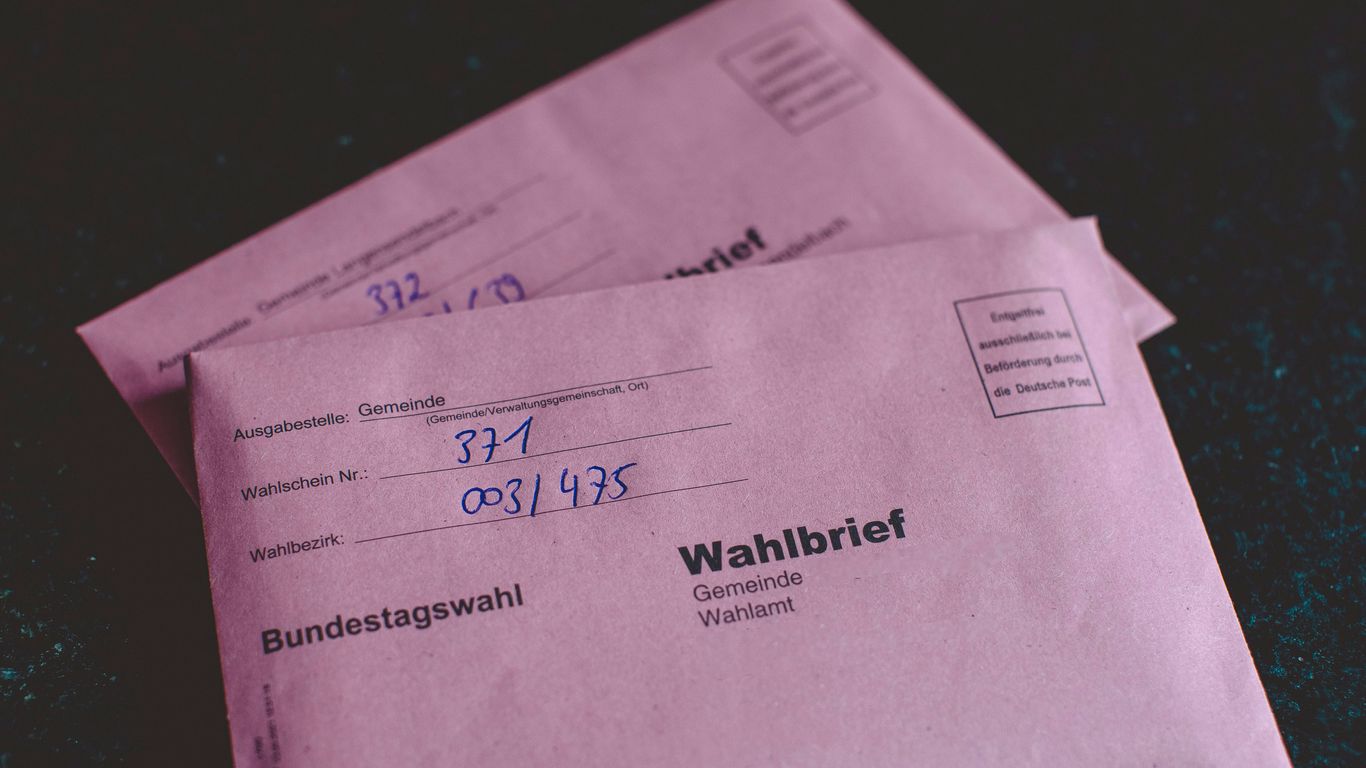
Dealing with official paperwork for pensions in Germany can feel like a bit of a maze, especially when you're not a native speaker. It's not always straightforward, and sometimes you might find yourself scratching your head. The key is to stay organised and know where to look for help.
Common Challenges Faced by Expats
Many expats find the sheer volume of forms and the specific German terminology a bit daunting. It's easy to miss a deadline or fill out a section incorrectly, which can cause delays. Sometimes, the information you need isn't readily available in English, adding another layer of difficulty. It’s a common experience to feel a bit lost in the system.
Understanding Official Documentation and Processes
German pension documents, like those from the Deutsche Rentenversicherung (DRV), often require specific details. You'll typically need your insurance number, tax ID, and bank details. It’s wise to keep copies of everything you submit. Understanding the different types of pensions – like the state pension (Gesetzliche Rentenversicherung) or private options like private pensions in Germany – is also part of this process.
Utilising English-Language Assistance Services
Fortunately, there are resources available. The DRV itself sometimes offers information in English, and there are private services that specialise in helping expats with pension matters. These services can be particularly useful if you're trying to get a refund of your contributions or claim benefits from abroad. They often handle the entire process for you.
Seeking Help with Pension Refund Procedures
If you've worked in Germany for less than five years and don't plan to return, you might be eligible for a refund of your social security contributions. This process can be complicated, involving specific forms and waiting periods. Services exist that can manage this entire application on your behalf, which can save a lot of hassle.
The Role of Pension Advisory Services
Beyond just refunds, there are many advisory services that can help you understand your overall pension situation. They can explain how your contributions in Germany fit into your broader retirement plans, especially if you've worked in other countries too. Getting professional advice can make a big difference to your financial future.
Finding Reputable Financial Advisors
When looking for help, it's important to find someone who understands the nuances of the German pension system and specifically works with expats. Look for advisors who are transparent about their fees and qualifications. Recommendations from other expats can be a good starting point.
Leveraging Online Resources and Support
Don't underestimate the power of online resources. The official DRV website, while primarily in German, can sometimes be navigated with translation tools. There are also numerous expat forums and blogs where people share their experiences and tips for dealing with German bureaucracy. These can offer practical insights and support.
Pension Age and Early Retirement Options
When you're planning for retirement in Germany, understanding the age at which you can access your pension is pretty important. It's not quite as simple as just picking a date and stopping work, you know. The German system has been changing, and there are specific rules about when you can start drawing your pension, and what happens if you decide to retire earlier or later than the standard age.
The Gradual Increase in the Official Pension Age
For a while now, Germany has been gradually raising the official retirement age. If you were born after 1967, the standard age you can retire without any reductions is 67. This is a shift from the previous age of 65, and it's happening in stages, so your exact birth year matters.
Understanding the Retirement Age of 67
This 'retirement age of 67' is the target for most people. It's the age at which you can claim your full state pension entitlement, assuming you've met the minimum contribution periods. It's designed to reflect longer life expectancies and the need to keep the pension system sustainable.
Early Retirement at 63: Requirements and Implications
It is possible to retire earlier, specifically at age 63, but there's a catch. To qualify for early retirement at 63, you generally need to have contributed to the pension system for at least 35 years. However, this early access comes with a financial penalty. For every month you retire before the standard age of 67, your pension benefit is reduced. This reduction is calculated using a factor called the Zugangsfaktor. Each month you retire early results in a 0.3% reduction in your pension, meaning a potential 3.6% reduction per year. So, retiring at 63 instead of 67 could mean your pension is permanently reduced by up to 14.4%.
The Impact of Early Retirement on Pension Entitlement
As mentioned, taking your pension early means you'll receive a lower monthly amount for the rest of your retirement. This reduction is permanent and doesn't get adjusted once you reach the standard retirement age. It's a trade-off: more years of retirement income, but at a lower rate.
Calculating Pension Reductions for Early Retirement
The calculation for early retirement reductions is quite specific. It's based on the number of months you retire before the standard age. For instance, if the standard age is 67 and you retire at 63, that's 48 months early. Each of those months incurs a 0.3% reduction. So, 48 months x 0.3% = 14.4% reduction.
Benefits of Postponing Retirement Beyond Official Age
On the flip side, you can also choose to work past the official retirement age. This can be quite beneficial. For every month you continue working and contributing beyond the standard age, your pension benefit increases. The rate here is even more favourable than the reduction for early retirement: 0.5% increase per month, which works out to a 6% increase per year. Retiring at 70, for example, could mean an 18% boost to your pension compared to retiring at 67.
Incentives for Continuing to Work Past Retirement Age
These increases act as a financial incentive to delay retirement. It's a way for the system to encourage people to stay in the workforce longer, which also helps to offset the costs associated with an aging population. The longer you work and contribute, the more you stand to gain in your monthly pension payments.
Here's a quick look at the potential impact:
| Retirement Age | Months Early/Late | Reduction/Increase per Month | Annual Reduction/Increase |
|---|---|---|---|
| 63 | 48 months early | -0.3% | -14.4% |
| 67 (Standard) | 0 | 0% | 0% |
| 70 | 36 months late | +0.5% | +18.0% |
It's worth noting that there are specific exceptions for individuals who have contributed for a very long time (e.g., 45 years) or those with severe disabilities, which might allow for earlier retirement without penalty. Always check your personal pension statement for the most accurate information regarding your situation.
Healthcare and Long-Term Care Considerations
When you reach retirement age in Germany, you'll need to think about how you'll cover healthcare and potential long-term care costs. It's not just about having enough money to live on; it's also about making sure you're looked after if you fall ill or need extra help.
Mandatory Pensioner Health Insurance in Germany
Once you start receiving your pension, you're generally required to have health insurance. This is known as Krankenversicherung der Rentner (KVdR). If you've been in the German statutory health insurance system for a significant portion of your working life, you might be able to join the KVdR at a reduced rate. Otherwise, you might need to take out a private health insurance policy, which can be more expensive. It's a good idea to look into your specific situation well before you retire to avoid any surprises.
Understanding Long-Term Care Insurance Obligations
Alongside health insurance, Germany also has mandatory long-term care insurance, or Pflegeversicherung. This insurance is designed to help cover the costs if you require assistance with daily living due to illness or disability. The contributions are usually split between you and your pension provider. The level of care you might need can vary greatly, so understanding the basics of this insurance is important for your financial planning.
Covering Potential Elderly Nursing Care Costs
Nursing care can be a significant expense, and while the Pflegeversicherung helps, it doesn't always cover everything. Depending on the level of care needed, there can still be a personal contribution required. Planning for this means looking at your overall retirement funds and considering if you need to save extra specifically for potential care costs. Some people opt for additional private insurance to top up their coverage.
The Importance of Comprehensive Health Coverage
Your health in retirement is paramount. While Germany has a strong healthcare system, having the right insurance is key. This means not only covering the mandatory aspects but also considering what might be best for your individual health needs. Think about any pre-existing conditions or potential future health concerns. Making informed choices about your health coverage now can save a lot of worry later.
Integrating Health Insurance into Your Retirement Plan
When you're building your retirement budget, don't forget to factor in health and long-term care insurance premiums. These are ongoing costs that need to be accounted for. It's wise to get quotes and understand the potential costs involved as part of your overall financial strategy. This way, you can see how these costs fit into your desired retirement lifestyle.
Planning for Healthcare Expenses Abroad
If you're an expat who plans to spend part of your retirement outside of Germany, you'll need to consider healthcare there too. Your German health insurance might offer some coverage abroad, especially within the EU, but it's unlikely to cover everything. You may need to arrange separate travel insurance or local health insurance for the countries you plan to visit or live in. Researching the healthcare systems in your intended retirement destinations is a sensible step.
Ensuring Access to Reliable Healthcare Services
Ultimately, the goal is to have peace of mind knowing that you can access good quality healthcare and care services when you need them. This involves understanding the German system, planning for the associated costs, and considering your options if you plan to live abroad in retirement. It's all part of creating a secure and comfortable retirement, and Germany offers an attractive retirement option with its well-established infrastructure.
Special Considerations for Freelancers and Self-Employed
Opting Out of the State Pension System
As a freelancer or self-employed individual in Germany, you generally have the option to opt out of the mandatory state pension system. This is a significant difference compared to employed individuals who automatically contribute. This choice allows for greater flexibility in how you manage your retirement savings. However, it's vital to understand the implications before making this decision.
Joining Private Pension Schemes as an Alternative
If you choose to opt out of the public pension, there are various private pension schemes available. These can include options like the Rürup pension (Basisrente), which is particularly beneficial for the self-employed due to its tax advantages. Other private investments and insurance-based pensions can also form part of your retirement strategy. It's about finding a plan that suits your specific financial situation and long-term goals. You can explore options for financial strategy in Germany that cater to different needs.
Lower Contribution Rates for State Pension Participants
For certain categories of self-employed individuals, such as teachers or midwives, contributing to the state pension is mandatory. However, even for those who choose to participate in the public system, there can sometimes be lower contribution rates compared to standard employees. This is a nuanced area, and understanding your specific obligations is key.
The Rürup Pension for Self-Employed Individuals
The Rürup pension, also known as Basisrente, is a popular choice for freelancers and the self-employed. Its main draw is the ability to make significant tax-deductible contributions. This can substantially reduce your current tax burden. The funds saved can be paid out from age 63, either as a lump sum or as a regular monthly income. The exact amount you can contribute annually is linked to the contribution assessment limit and the contribution rate.
Tax-Deductible Contributions for Freelancers
Beyond the Rürup pension, other private pension plans might also offer tax benefits for freelancers. It's worth discussing with a tax advisor which contributions are deductible and how they can best be structured to minimise your tax liability while maximising your retirement savings. This is a key part of planning for income security.
Specific Categories Obligated to Contribute
While many freelancers can opt out, certain professions are legally required to contribute to the German state pension. These typically include individuals in specific academic or healthcare professions, like teachers, midwives, and some artists. If you fall into one of these categories, your options for opting out are limited, and you'll need to adhere to the public system's rules.
Planning for Income Security as a Freelancer
Freelancers often face fluctuating incomes and periods without work, making retirement planning a unique challenge. A robust plan needs to account for these uncertainties. This might involve building a larger emergency fund, diversifying income streams, and carefully selecting private pension products that offer flexibility. It’s about creating a safety net that supports you throughout your working life and into retirement. Consider how your pension contributions can be structured to provide this security.
UK Citizens and Pension Transfers to Germany
For UK citizens living and working in Germany, understanding how your UK pension savings can be integrated with the German system is a key part of retirement planning. It’s not as straightforward as just moving money around, but there are established routes to consider.
Utilising Qualifying Recognised Overseas Pension Schemes (QROPS)
When it comes to moving your UK pension savings to Germany, the primary mechanism available is through a Qualifying Recognised Overseas Pension Scheme, or QROPS. These are essentially offshore pension plans that have been approved by HM Revenue and Customs (HMRC) to accept transfers from UK registered pension schemes. The key is that the scheme in Germany must be recognised by HMRC. This process allows you to consolidate your retirement funds in a way that aligns with German regulations, while still benefiting from the tax treatment of a recognised overseas pension. It's important to note that transfers between UK pension schemes themselves are generally unrestricted, but moving them overseas involves a different set of rules [a230].
Transferring UK Pension Schemes Abroad
Transferring your pension abroad involves a specific set of procedures. You can't simply withdraw your UK pension and deposit it into a German bank account. Instead, the funds must be moved into a QROPS. This requires careful planning and adherence to regulations set by both the UK and German authorities. The process can take time, and it's wise to start exploring your options well in advance of your intended retirement date. The German pension system itself has specific requirements, and integrating foreign pensions needs careful consideration [4ab4].
Requirements for QROPS Approval
For a QROPS transfer to be successful, the receiving scheme must meet HMRC's criteria. This includes rules about the scheme's jurisdiction, its regulatory oversight, and how it will manage the transferred funds. Germany has a number of pension products that can potentially qualify, but it's not automatic. You'll need to ensure the specific German pension plan you choose is on HMRC's list of recognised overseas schemes. Failure to do so could result in significant tax charges on the transferred amount.
Navigating HM Revenue and Customs Regulations
HM Revenue and Customs (HMRC) has strict rules regarding pension transfers. They want to ensure that individuals are not using QROPS to avoid UK tax liabilities. This means that certain conditions must be met, such as remaining resident in the country where the QROPS is held for a specific period after the transfer. If these conditions aren't met, HMRC can impose a punitive tax charge, often referred to as the 'overseas transfer charge', which can be as high as 25% of the transferred value. It’s a complex area, and professional advice is highly recommended.
Benefits of Transferring Pensions to Germany
Why would a UK citizen consider transferring their pension to Germany? Primarily, it's about simplifying your retirement planning when you're living and working in Germany. Consolidating your pension savings into a German-compliant scheme can make it easier to manage your finances and understand your overall retirement picture. It can also potentially align your pension income with your residency, simplifying tax affairs. However, the decision should be based on a thorough analysis of your personal circumstances, including tax implications in both countries and your long-term residency plans.
Seeking Advice on Cross-Border Pension Transfers
Given the complexities involved, seeking advice from a financial advisor who specialises in cross-border pension transfers is highly advisable. They can help you understand the QROPS regulations, assess the suitability of German pension schemes, and guide you through the application process with HMRC and the German pension authorities. This ensures that your transfer is compliant and that you are making the most informed decision for your financial future.
Ensuring Compliance with Transfer Rules
Compliance is paramount. Any misstep in the transfer process can lead to unexpected tax bills and complications. This includes understanding the rules around lump sum allowances, contribution limits in Germany, and how your transferred pension will be taxed upon withdrawal. A specialist advisor can help you navigate these rules, ensuring that your pension transfer is executed correctly and efficiently, safeguarding your retirement savings.
Defining Your Retirement Vision and Lifestyle
What Does Your Ideal Retirement Look Like?
Thinking about retirement isn't just about numbers and contributions; it's really about picturing your life after you stop working. What do you actually want to do? Do you dream of travelling the world, picking up a new hobby, spending more time with family, or perhaps starting a small business? Your retirement vision should be the driving force behind your financial planning. It's easy to get bogged down in the details of pension pots and tax implications, but remembering the 'why' can keep you motivated.
Activities and Pursuits in Retirement
Consider what activities will bring you joy and purpose. This could include volunteering, pursuing artistic interests, learning a new language, or simply enjoying more leisure time. Think about how much time and money these activities might require. For instance, if you plan to take up sailing, that's a different financial commitment than joining a local book club.
Choosing Your Retirement Location
Will you stay in Germany, move back to your home country, or perhaps relocate to a warmer climate? Your chosen location will significantly impact your cost of living, access to healthcare, and social connections. Each option has its own set of financial considerations, from property costs to local taxes. If you're considering a move, it's worth looking into the cost of living in different areas. For example, saving money effectively in Germany might be a good starting point if you plan to remain here.
Finding Joy, Purpose, and Peace in Retirement
Beyond financial security, think about what will contribute to your overall happiness. This might involve maintaining strong social ties, engaging in meaningful activities, or simply having the freedom to live life on your own terms. A well-planned retirement should offer peace of mind, not add to your worries.
Aligning Financial Goals with Lifestyle Aspirations
Once you have a clear picture of your desired lifestyle, you can start to quantify it. How much income will you realistically need each month to support these aspirations? This is where your financial planning becomes a practical tool. It's about making your dreams achievable.
The Role of Hobbies and Personal Interests
Don't underestimate the importance of hobbies. They can provide structure, social interaction, and a sense of accomplishment. Factor in the costs associated with your interests, whether it's art supplies, travel expenses, or membership fees for clubs.
Ensuring Financial Resources Support Your Vision
Ultimately, your retirement vision needs to be grounded in reality. This means creating a financial plan that can realistically support your desired lifestyle. It’s about building a strategy that allows you to live the retirement you've imagined, without constant financial stress. For tailored advice on building such a strategy, consider consulting with specialists who understand the complexities of expat finances, such as Invest Expat GmbH.
Retirement planning is not about predicting the future with certainty; it's about preparing for a range of possibilities. By defining your vision, you create a target to aim for, making the financial steps you need to take much clearer and more motivating. It transforms abstract financial goals into tangible life experiences.
Essential Financial Planning Principles for Expats
As someone living and working abroad, you're probably used to thinking about things a bit differently. Your financial planning for retirement should be no different. It’s not just about where you are now, but where you want to be later, and that can span across borders.
The Necessity of a Financial Strategy
Trying to manage your finances without a clear plan is a bit like setting sail without a map. You might drift along for a while, but you're unlikely to reach your desired destination. For expats, this is particularly true. Your income streams, tax obligations, and potential future residences might be complex. Having a well-thought-out financial strategy is your compass and your chart. It helps you make sense of it all and steer towards your retirement goals. This strategy should consider your current situation in Germany, your long-term aspirations, and any potential moves you might make in the future. It’s about building a secure foundation, no matter where life takes you.
Ensuring a Safe and Stable Retirement Home
When you picture retirement, what comes to mind? For many, it involves a secure place to call home. This could be a property you own, or a comfortable rental. Whatever your preference, financial planning plays a big part in making it happen. It means saving enough to cover not just the mortgage or rent, but also ongoing costs like property taxes, maintenance, and utilities. For expats, this might also involve planning for currency fluctuations if you intend to buy property in a different country to where you’re currently earning. Thinking about this now means you can work towards owning or renting a place that truly feels like home, without the worry of financial strain.
Maintaining Your Desired Lifestyle
Retirement isn't just about stopping work; it's about continuing to live a life you enjoy. Perhaps you envision travelling, pursuing hobbies, or spending more time with family. Whatever your ideal retirement looks like, it will have associated costs. The German public pension system, while important, often doesn't cover everything needed for a comfortable lifestyle, especially for those with non-linear careers or periods of self-employment. This is where private savings become really important. By planning ahead, you can build up the funds needed to support your chosen lifestyle, rather than having to drastically cut back. It’s about making sure your retirement years are fulfilling, not restrictive.
Managing Money Without Constant Worry
Financial stress can cast a long shadow over your life, and retirement is no exception. A significant part of financial planning is about achieving peace of mind. Knowing that you have a plan in place, that your savings are growing, and that you're prepared for unexpected events can make a huge difference. This involves understanding your incomings and outgoings, setting realistic savings targets, and having contingency plans for things like health issues or economic downturns. It’s about feeling in control of your financial future, so you can relax and enjoy your retirement years without the constant burden of money worries. This proactive approach helps you avoid future financial gaps.
The Importance of Realistic Retirement Plans
It’s easy to get caught up in idealised visions of retirement, but it’s vital to ground these in reality. This means taking an honest look at your current financial situation, your expected pension income, and the actual cost of living in your desired retirement location. For expats, this can be even more complex, involving currency exchange rates and different tax regimes. Creating realistic plans means:
- Accurately estimating your retirement expenses.
- Understanding the potential returns on your investments.
- Factoring in inflation and potential healthcare costs.
- Being honest about your savings capacity.
By setting achievable goals, you're more likely to stick to your plan and feel a sense of accomplishment as you progress. It’s better to have a solid, achievable plan than an ambitious one that leaves you feeling discouraged.
Developing Intentional Financial Habits
Financial planning isn't a one-off event; it's an ongoing process that requires consistent effort. Developing good financial habits is key to making your retirement plans a reality. This might include:
- Setting up automatic transfers to your savings or investment accounts.
- Regularly reviewing your budget and spending.
- Staying informed about your pension entitlements and investment performance.
- Making informed decisions about your pension savings.
These habits, no matter how small they seem, add up over time. They help you stay on track and make steady progress towards your retirement goals, turning abstract plans into tangible results.
Achieving Retirement Necessities
Ultimately, financial planning for expats in Germany is about securing the necessities for a comfortable retirement. This includes having a safe place to live, access to healthcare, and enough income to maintain your lifestyle without undue stress. It’s about building a financial buffer that allows you to live with dignity and independence. By taking a structured approach and making intentional choices today, you can create a future where your retirement needs are met, allowing you to enjoy the fruits of your labour with confidence and security.
Seeking Professional Guidance for Expat Retirement Planning
Why Expert Advice is Crucial for Expats
Planning your retirement as an expat in Germany can feel like a maze. You're juggling a new country's rules, perhaps different tax laws, and your own personal financial journey which might have spanned several countries already. It's easy to feel a bit lost, and honestly, making big financial decisions without the right information can lead to some pretty costly mistakes down the line. That's where getting some expert help really makes a difference. Trying to figure out the German pension system, alongside any existing pensions you have from back home, is a complex task. It's not just about understanding the basics; it's about how these pieces fit together for your specific situation.
Specialists in International Retirement Planning
When you're looking for advice, you don't just want any financial advisor. You need someone who understands the unique challenges expats face. This means they should be familiar with:
- How German social security and pension contributions work.
- The implications of tax treaties between Germany and your home country (or countries you've lived in).
- Options for transferring or coordinating pensions from abroad.
- Private pension products available in Germany that might suit your circumstances.
- How to plan for retirement if you might move again in the future.
These specialists often have a global perspective, which is exactly what you need when your financial life isn't confined to one country.
Finding Advisors Experienced with Expat Pensions
So, how do you find these knowledgeable people? Start by looking for advisors who specifically mention working with expats or international clients. Check their websites, read testimonials, and see if they highlight experience with cross-border financial planning. Don't be afraid to ask potential advisors directly about their experience with expat pension situations. A good advisor will be happy to explain their background and how they can help you.
It's important to find someone you trust. Retirement planning is a long-term commitment, and you want to feel confident that your advisor has your best interests at heart and understands your international lifestyle.
The Benefits of Personalised Financial Strategies
Generic advice just doesn't cut it when you're an expat. Your career might have been non-linear, you might have had breaks in employment, or you might be self-employed. All these factors affect your pension entitlement and your savings potential. A personalised strategy, developed with an expert, will take into account:
- Your current income and savings.
- Your planned retirement age and desired lifestyle.
- Your tolerance for financial risk.
- Any family commitments or dependents.
- Your long-term plans regarding residency.
This tailored approach means your retirement plan is built around you, not the other way around.
Arranging Consultation Calls
Most reputable advisors will offer an initial consultation, often free of charge. This is your chance to get to know them and for them to understand your situation. Prepare a list of questions beforehand. Think about what you want to achieve and what your biggest concerns are. This initial chat is a great way to gauge if they're the right fit for you.
Utilising Live Chat and Support Features
Some financial advisory services also provide live chat options on their websites. This can be a quick and easy way to get answers to simple questions or to find out more about their services before committing to a full consultation. It’s a convenient way to get immediate support when you need it.
Building Trust with Financial Advisors
Ultimately, choosing a financial advisor is about building a relationship based on trust. Look for transparency in their fees, clear communication, and a genuine interest in helping you achieve your retirement goals. They should be able to explain complex financial concepts in a way that makes sense to you, without using excessive jargon. A good advisor will act as your partner, guiding you towards a secure and comfortable retirement, no matter where your expat journey takes you.
Planning for your retirement while living abroad can feel tricky. It's smart to get expert help to make sure your money is working hard for your future. Our team offers clear, straightforward advice to help you build a secure retirement. Ready to take the next step? Visit our website today to learn more and book a chat!
Planning for Your Future in Germany and Beyond
So, you're living in Germany, and maybe you're not sure how long you'll stay. It's easy to put off thinking about retirement, especially with a new country's system to figure out. But honestly, your future self will thank you for starting now. Whether you end up staying in Germany or moving somewhere else down the line, the money you save and plan for today really matters. Your German pension contributions don't just disappear if you leave, and private savings give you the freedom to live the retirement you want, wherever that might be. It's not about having a crystal ball; it's about making sensible choices now to build a secure future. Don't leave it to chance – start shaping your retirement plans today.
Frequently Asked Questions
Can someone from another country get a pension from Germany?
Yes, absolutely! If you've worked in Germany and paid into the pension system for at least five years, you can receive a German pension, even if you decide to live somewhere else later on. It's like earning credits that you can use down the line.
Are the Riester and Rürup pension plans open to people who aren't German citizens?
You bet! As long as you're living in Germany and meet the rules for paying into these plans, non-citizens can definitely sign up for Riester and Rürup pensions. They're great ways to save for your future.
Will I have to pay taxes on my German pension in my home country too?
It often depends on whether Germany has a tax agreement with your home country. Lots of countries have deals with Germany to make sure you don't get taxed twice on the same money. It's worth checking the official list to see if your country is on it.
Is it possible to combine pension money from Germany with pensions from other countries?
Yes, it is! Especially if you've worked in other EU countries, your contributions can often be combined. Germany also has agreements with some countries outside the EU. This helps make sure you get a steady income when you retire, no matter where you've worked.
What happens to my German pension if I move away from Germany?
Don't worry, your pension contributions don't just disappear if you leave Germany. You can still claim your pension when you reach retirement age, even if you're living in another country. It becomes part of your overall retirement savings.
How long do I need to work in Germany to qualify for a state pension?
Generally, you need to have paid into the German state pension system for at least five years. If you haven't quite reached that, you might be able to get back the money you paid in, but you wouldn't be able to claim a pension later.
What is the 'Rürup Pension' and who is it best for?
The Rürup pension, also known as 'Basisrente', is a popular choice for people who are self-employed or earn a high income. It's a long-term savings plan that offers some really good tax benefits, helping you save more money for retirement.
Are there any special pension plans for expats in Germany?
While the main German pension system applies to everyone, there are private plans like Riester and Rürup that expats can use. Some companies also offer occupational pensions (bAV) through employers. The key is to find what fits your personal situation.
Can I get a refund of my pension contributions if I leave Germany?
Yes, if you haven't worked in Germany for the minimum five years required for a pension and don't plan to return, you can usually get a refund of your social security contributions. However, this means you won't be able to claim a German pension later.
How does working in different countries affect my German pension?
Working in different countries might mean you have pension credits from each place. Germany has agreements with many countries, especially within the EU, to help combine these contributions. It's all about making sure your total pension picture is as complete as possible.
What's the earliest age I can start receiving my German pension?
Germany is gradually raising the official retirement age to 67. However, you might be able to take early retirement at 63 if you've contributed for at least 35 years. Just be aware that retiring early usually means your pension payments will be a bit lower.
Why is it important to start planning for retirement early, even as an expat?
Starting early is super important because of something called compound growth – basically, your money starts earning money on its own. The longer you wait, the harder it is to save enough. Plus, planning early gives you more options and peace of mind, no matter where life takes you.