
On this page
So, you've landed in Germany and the adventure is just beginning! But then reality hits – bank accounts, taxes, insurance... it can all feel a bit much, can't it?
Many people find themselves scratching their heads, wondering how to sort out their finances in a new country.
It's totally normal to feel a bit lost with all the paperwork and different rules. This guide is here to make things clearer, breaking down the world of expat finance in Germany so you can get on with enjoying your new life here.

Financial Advisory for Expats in Germany
In our free digital 1:1 consultation, our independent investment advisors help you develop a plan for your wealth accumulation that fits your financial goals.
Key Takeaways
- Get your German bank account sorted early; it's needed for most things.
- Understand your tax ID and German tax classes to know your pay.
- Budgeting is key; use apps to track where your money goes.
- Build an emergency fund – aim for 3-6 months of living costs.
- Health insurance is a must; decide between public or private.
- Consider liability insurance (Haftpflichtversicherung) – it's usually cheap and important.
- Learn about international money transfers to avoid high fees.
- Don't be afraid to ask for help from financial advisors or tax consultants.
Understanding the German Financial Landscape for Expats
Moving to Germany is an exciting prospect, but let's be honest, the financial side of things can feel like a bit of a puzzle at first. You're not alone if you're feeling a little daunted by the prospect of opening a bank account, figuring out taxes, or even just understanding how much things cost day-to-day. Many internationals find themselves scratching their heads over paperwork and unfamiliar procedures. It's a common experience, and thankfully, there are ways to get a handle on it all.
Navigating Bureaucracy and Administrative Procedures
Germany is known for its organised approach to administration, which can sometimes translate into a lot of paperwork. Getting registered with the local authorities, known as Anmeldung, is usually your first port of call. This process is key to obtaining your tax identification number and setting up utilities. Don't be surprised if you need specific documents, like your rental agreement, to complete these steps. It's all part of the system, and once you get through it, things start to fall into place.
Key Differences in German Banking Practices
German banking might feel a bit different from what you're used to. While digital banking is growing, many Germans still prefer traditional banks and cash for everyday transactions. You'll likely need a German bank account to receive your salary and pay bills. Be prepared to provide proof of your address and identity, which often includes your Anmeldung certificate. Some banks offer English-speaking services, which can be a real help when you're starting out.
Common Financial Challenges Faced by Newcomers
One of the biggest hurdles for many expats is simply understanding the cost of living and how to budget effectively. Things like mandatory health insurance, which is a legal requirement, can be an unexpected expense if you haven't factored it in. Another common issue is dealing with tax regulations, especially if you have income or assets in your home country. Understanding your tax obligations is paramount to avoid any future complications.
The Emotional Impact of Financial Stress Abroad
It's easy to underestimate how much financial worries can affect your overall well-being when you're in a new country. The stress of managing money in an unfamiliar system can sometimes overshadow the excitement of living abroad. Feeling in control of your finances can make a huge difference to your confidence and your ability to settle in and enjoy your new life. Taking proactive steps to understand the financial landscape can significantly reduce this stress.
Leveraging Resources for Expat Financial Success
Fortunately, there are plenty of resources available to help you. Many banks have English-language websites and customer support. There are also numerous online guides and expat forums where people share their experiences and tips. Don't hesitate to seek advice from professionals, such as tax consultants who specialise in expat matters. Getting your German income tax return filed correctly is often made easier with professional help filing their German income tax return.
Setting Realistic Financial Expectations
It's wise to set realistic expectations about your finances when you first arrive. Your initial setup costs, including deposits for rent and utilities, can add up. It might take a little while to get your salary paid into your German account, so having some savings to tide you over is a good idea. Understanding typical salaries and living costs in your specific region will help you plan better.
The Importance of Proactive Financial Planning
Being proactive with your finances is key to a smoother transition. This means understanding your budget, setting up savings goals, and looking into insurance needs early on. Planning ahead, even for small things like setting up direct debits for bills, can save you a lot of hassle down the line. It's about building a solid financial foundation so you can focus on enjoying your experience in Germany.
Establishing Your Financial Foundation: Banking in Germany

Getting your finances sorted is one of the first big tasks when you move to Germany. And at the heart of it all is opening a bank account. It sounds simple enough, but there are a few things to know to make it go smoothly.
Choosing the Right German Bank Account
Germany has a lot of banks, from the big names you might recognise to smaller, local ones, and then there are the newer online-only banks. When you're picking one, think about what's most important to you. Do you need a branch nearby, or will you be doing everything online? Some banks are better set up for expats, offering websites and customer service in English, which can be a lifesaver when you're still getting to grips with the language. Digital banks like N26 are often a good shout for newcomers because you can often open an account online before you even arrive or have a permanent address.
Essential Documents for Account Opening
To open a bank account, you'll need a few key documents. The most important ones are your identification and proof of where you live. Usually, this means your passport and your Anmeldung certificate, which is your proof of registration at your local address. Some banks might also ask for details about your employment.
The Application Process for Expats
Once you've got your documents ready, applying is usually pretty straightforward. You can often start the process online, or you can pop into a branch. Some banks have specific processes for expats, and many have English-speaking staff to help you out. It's worth checking the bank's website beforehand to see exactly what they need.
Maximising Online and Mobile Banking Services
Most German banks now have pretty good online and mobile banking platforms. This is where you can check your balance, make payments, and transfer money. It's a really convenient way to manage your money without having to go to a branch. Make sure the bank you choose has an app that works well for you.
Overcoming Language Barriers in Banking
Language can be a hurdle, but many banks are aware of this. Look for banks that offer services in English, both online and through their customer support. Don't be afraid to ask if they have English-speaking staff available. Sometimes, even if the website is in German, the phone support might be multilingual.
Understanding Account Fees and Charges
It's really important to look at the fees. Some accounts have monthly charges, others might charge you for using ATMs that aren't theirs, or for a certain number of transactions. Digital banks sometimes offer free accounts, but always read the fine print. Here's a rough idea of what you might encounter:
Fee Type | Typical Cost (per month) | Notes |
|---|---|---|
Account Maintenance | €0 - €10 | Varies greatly by bank and account type |
ATM Withdrawals (own bank) | Free | Usually free at own bank's ATMs |
ATM Withdrawals (other banks) | €0.50 - €5.00 | Can be higher for foreign ATMs |
Card Payments | Free | Generally free for purchases |
Setting Up Digital Payments and Wallets
Once your account is set up, you'll want to get your head around digital payments. Services like Google Pay and Apple Pay are widely used, and your bank's app will likely integrate with these. This makes paying in shops or online much quicker. You'll also need to understand how direct debits (Lastschriftverfahren) work for things like rent and utilities, as they are very common here. Getting your banking sorted early makes everything else much easier. You can find more information on opening a bank account to get started.
Mastering Your Money: Budgeting and Saving Strategies
Getting a handle on your finances is a big part of settling into life in Germany. It’s not just about earning money; it’s about making it work for you. This section is all about setting up solid habits for budgeting and saving, which are the bedrock of financial stability.
Creating a Realistic Expat Budget
First things first, you need to know where your money is going. Creating a budget isn't about restricting yourself; it's about understanding your spending. Start by tracking all your income sources. Then, list out your fixed expenses – things like rent, insurance premiums, and loan repayments. After that, look at your variable expenses: food, transport, entertainment, and those little impulse buys. It might seem a bit tedious at first, but seeing it all laid out gives you a clear picture. For a single person, the estimated monthly cost of living can be around €992, but this varies wildly depending on your lifestyle and location. Understanding living costs is your first step.
Utilising Budgeting Apps and Tools
Thankfully, you don't have to do this with just a pen and paper anymore. There are loads of apps and online tools that can make budgeting much simpler. Apps like Finanzguru or MoneyControl can link to your bank accounts (with your permission, of course) and automatically categorise your spending. This makes it super easy to see where your money is going each month. Some even offer insights and tips based on your spending habits. It’s like having a personal finance assistant in your pocket.
Embracing Frugality for Financial Health
Frugality doesn't mean living like a pauper. It means being smart with your money and prioritising what truly matters. Think about it: do you really need that daily fancy coffee, or could you make one at home a few times a week? Look for supermarket loyalty cards, student discounts if applicable, and don't shy away from second-hand shops or online marketplaces like eBay Kleinanzeigen for furniture or other items. It’s about making conscious choices to save money without feeling deprived. Saving money tips can really help here.
Building a Robust Emergency Fund
Life throws curveballs, and having an emergency fund is like having a financial safety net. This is money set aside specifically for unexpected events, like a sudden job loss, a medical emergency, or a major appliance breakdown. A good rule of thumb is to save enough to cover three to six months of your essential living expenses. This fund should be kept in an easily accessible savings account, separate from your everyday spending money, so you're not tempted to dip into it.
Setting Achievable Savings Goals
What are you saving for? A down payment on a flat? A new car? A big holiday? Having clear, achievable goals makes saving much more motivating. Break down your big goals into smaller, manageable steps. For example, if you want to save €5,000 in a year, that's about €417 per month. Seeing your progress towards these goals can be a huge motivator.
Tracking Expenses Effectively
This ties back into budgeting and using apps. The key is consistency. Make it a habit to check your spending at least once a week. Are you sticking to your budget? Are there any areas where you're consistently overspending? Identifying these patterns early allows you to make adjustments before they become major problems. It’s about staying aware and in control.
Adapting Spending Habits to German Culture
Germany has its own way of doing things, and that includes spending. For instance, while card payments are becoming more common, many smaller shops, bakeries, and markets still prefer cash. Understanding these local payment methods is important. Also, Germans tend to be quite value-conscious and appreciate quality. This can influence how you shop for groceries, clothing, and even larger purchases. Being aware of these cultural nuances can help you budget more effectively and avoid unexpected situations.
Building good financial habits early on is key to long-term success. It's not about drastic changes overnight, but rather consistent, small steps that add up over time. Think of it as a marathon, not a sprint.
Expense Category | Estimated Monthly Cost (€) |
|---|---|
Rent | 700 - 1200 |
Utilities (Electricity, Gas, Water) | 150 - 250 |
Groceries | 300 - 500 |
Public Transport/Car | 100 - 300 |
Health Insurance | 100 - 200 |
Mobile/Internet | 50 - 100 |
Miscellaneous (Leisure, etc.) | 200 - 400 |
Note: These figures are estimates and can vary significantly based on location and personal lifestyle.
Navigating German Taxation as an Expat
Dealing with taxes in a new country can feel like a puzzle, and Germany is no exception. As an expat, getting a handle on the German tax system is pretty important for your finances. It’s not just about paying what you owe; it’s also about making sure you’re not paying more than you have to, and that you’re aware of all the rules.
Understanding Your Tax Identification Number
When you start working in Germany, you'll be assigned a Tax Identification Number, or Steueridentifikationsnummer (often shortened to Steuer-ID). This is a unique, 11-digit number that stays with you for life. It's different from your social security number and is used by the tax office (Finanzamt) to identify you for income tax purposes. You'll need it for your employer to process your salary correctly, and it's also vital when you file your annual tax return. You usually receive this number automatically by post a few weeks after you register your address (Anmeldung) at your local Bürgeramt. If you don't receive it, or if you lose it, you can request a replacement from the Federal Central Tax Office (Bundeszentralamt für Steuern).
Decoding German Tax Classes (Steuerklassen)
Germany uses a system of tax classes, known as Steuerklassen, which directly impact how much income tax is deducted from your salary each month. There are six different tax classes, and the one you're assigned depends on your personal circumstances, such as whether you're married, have children, or are single. For example, married couples can choose different combinations of tax classes to optimise their monthly net income. It's worth understanding which class applies to you, as it affects your take-home pay. If your circumstances change, like getting married or divorced, you might need to update your tax class.
Here's a quick look at the main tax classes:
Tax Class | Description |
|---|---|
I | Single employees |
II | Single parents |
III | Married employees (higher earner) |
IV | Married employees (lower earner) or both earners equal |
V | Married employees (lower earner, paired with III) |
VI | For second jobs or multiple employments |
Addressing Potential Double Taxation Issues
If you earn income in Germany but also have financial ties or income from your home country, you might worry about being taxed twice. Thankfully, Germany has agreements with many countries to prevent this. These are called Double Taxation Agreements (DTAs). They set out which country has the right to tax certain types of income and provide ways to get credit for taxes paid in one country against taxes due in the other. It's a good idea to check if a DTA exists between Germany and your home country. This can be particularly relevant if you're working remotely for a foreign company while living in Germany, or if you have investments abroad. Understanding these agreements can save you a lot of money and hassle. For instance, the agreement between the U.S. and Germany helps clarify tax obligations for residents of both countries.
Filing Annual Tax Returns in Germany
Even if your employer handles your income tax deductions, you might still need to file an annual tax return, known as the Einkommensteuererklärung. This is often the case if you have income from sources other than your main job, such as freelance work, rental income, or certain investments. Filing a tax return isn't always a bad thing; in many cases, expats can actually get a tax refund by claiming eligible deductions. The standard deadline for filing is May 31st of the year following the tax year. However, if you use a tax advisor, this deadline is usually extended. Keeping good records of your income and expenses throughout the year will make the filing process much smoother. You can find more information on the necessary forms and deadlines on the official German tax administration website.
Key Tax Deductions for Expats
Germany allows for various deductions that can reduce your taxable income. As an expat, you might be able to claim deductions for things like:
- Work-related expenses: This can include costs for your commute (though there are limits), professional development courses, work equipment, and even a portion of your home office expenses if you work remotely.
- Health insurance contributions: Premiums you pay for statutory or private health insurance are generally deductible.
- Pension contributions: Contributions to approved pension schemes can also be deducted.
- Childcare costs: If you have children, you may be able to deduct certain childcare expenses.
- Donations: Contributions to recognised charitable organisations.
It's important to keep receipts and documentation for all expenses you intend to claim. The German tax system is progressive, meaning higher earners pay a larger percentage of their income in tax. Understanding your specific tax bracket for 2026 is key to financial planning.
Seeking Professional Tax Advice
Let's be honest, German tax law can be complicated. If you're feeling overwhelmed or want to make sure you're getting everything right, getting professional help is a smart move. A Steuerberater (tax advisor) can be incredibly helpful. They specialise in German tax law and can guide you through the complexities, help you file your return accurately, and identify all the deductions you're entitled to. This is especially true if you have a more complex financial situation, such as owning property, having foreign income, or being self-employed. They can also advise on the best tax class combinations for married couples. While there's a cost involved, it often pays for itself by saving you money on taxes and avoiding potential penalties.
Tax Implications of Remote Work
Remote work has become more common, and it brings its own set of tax considerations for expats. If you're working remotely for a company based outside Germany while living here, you'll generally still be liable for German income tax on your earnings. However, the specifics can depend on the duration of your stay and any agreements between Germany and the country where your employer is based. If you're working remotely for a German company from your home, you might be able to claim deductions for your home office expenses. It's a good idea to clarify your tax situation with both your employer and a tax advisor to avoid any surprises. Germany's tax system includes income tax, with details on tax brackets for 2026, various tax classes, and the solidarity surcharge. This information is crucial for expats navigating financial matters in the country. Learn more about German tax brackets.
Securing Your Future: Investments and Retirement Planning
Once you've got your day-to-day finances sorted, it's time to think about the longer term. Building wealth and planning for retirement might seem a bit daunting, especially in a new country, but it's totally achievable. Germany offers a few different avenues for this, and understanding them is key.
Exploring Investment Options for Expats
When you're looking to grow your money beyond just saving it, Germany has a range of investment possibilities. You'll find everything from stocks and bonds to more complex financial products. It's a good idea to get a handle on what's available and what might suit your personal financial goals. Diversification is your best friend here, meaning you don't put all your eggs in one basket. Spreading your investments across different types of assets can help manage risk.
The Power of Diversification in Investments
Think of diversification like having a varied diet – it's healthier and less risky than eating only one thing. In investment terms, this means not just investing in one company's shares, but across different industries, company sizes, and even different countries. It also means considering different asset classes like stocks, bonds, and perhaps even real estate. This approach helps to smooth out the ups and downs of the market, making your investment journey a bit more stable.
Understanding Tax Implications of Investments
Germany has specific tax rules for investment income and capital gains. It's important to be aware of these to avoid any surprises. You'll likely hear about things like the Sparer-Pauschbetrag (saver's allowance), which is a tax-free amount you can earn on capital gains each year. Setting up a Freistellungsauftrag with your bank or broker is a practical step to make sure you benefit from this allowance. Not understanding these can mean paying more tax than you need to.
Adopting a Long-Term Investment Perspective
Growing your money effectively usually takes time. Trying to make quick profits can often lead to bigger risks. A long-term view means you're less likely to panic sell when the market dips and more likely to benefit from the power of compound interest over the years. It's about consistent growth rather than chasing short-term gains.
Navigating the German Public Pension System
Germany has a statutory pension insurance scheme, which most employees contribute to. This forms a base for your retirement income. However, for many, it might not be enough to maintain their current lifestyle in retirement. The standard retirement age is gradually increasing, with those born in 1964 and later expected to retire at 67.
Supplementary Retirement Savings Strategies
Because the public pension might not cover all your needs, looking into supplementary options is wise. This could include private pension plans, like Riester or Rürup pensions, or other forms of long-term savings and investments. These can offer tax advantages and provide a more comfortable financial cushion for your later years.
Choosing Investment Platforms and Advisors
Deciding where to invest and who to trust can be tricky. You can use online brokers or banks to manage investments yourself, or you can seek advice from a financial advisor. If you choose an advisor, look for someone who understands the specific needs of expats in Germany. They can help you create a plan tailored to your situation and goals.
Building a solid financial future in Germany involves understanding both the opportunities and the rules. Taking the time to learn about investments and retirement planning now will pay dividends later on.
Here are some steps to consider:
- Assess your current financial situation: Know your income, expenses, and any existing savings or debts.
- Define your financial goals: What do you want to achieve? Retirement, buying property, supporting family?
- Research investment options: Look into ETFs, stocks, bonds, and other products suitable for expats.
- Understand the tax implications: Familiarise yourself with German tax laws on investments.
- Consider professional advice: A financial advisor can offer personalised guidance.
- Start early and be consistent: The sooner you begin, the more time your money has to grow.
Essential Insurance Coverage for Expats in Germany

Moving to Germany means getting to grips with a new set of rules, and that definitely includes insurance. It's not just about protecting yourself; in many cases, it's a legal requirement. So, let's break down what you absolutely need to know.
Understanding Mandatory Health Insurance Schemes
Right off the bat, health insurance is a big one. In Germany, it's compulsory for everyone living here, whether you're a local or an expat. You can't really get by without it. Your visa application might even require proof of initial coverage before you can sort out the German system. This initial cover is important, making sure you're protected from day one until you can get your long-term German health insurance sorted.
Choosing Between Public and Private Health Insurance
This is a major decision. You've got two main routes: public (gesetzliche Krankenversicherung) and private (private Krankenversicherung). The public system is the standard for most employees, with contributions usually split between you and your employer. It covers a broad range of services. Private insurance, on the other hand, can offer more tailored benefits and sometimes quicker access to specialists. It's often an option for higher earners, the self-employed, or civil servants. Deciding which is best depends on your income, employment status, and what you want covered. It's worth looking into the details of private health insurance in Germany to see if it fits your needs.
The Importance of Liability Insurance (Haftpflichtversicherung)
While health insurance is mandatory, liability insurance isn't, but honestly, it's pretty much a must-have for anyone living in Germany. It's called Haftpflichtversicherung. Think of it as your safety net for everyday accidents. If you accidentally break something valuable, cause a minor injury to someone, or damage property, this insurance can cover the costs. It's usually quite affordable and can save you from potentially huge expenses. Many expats find it a sensible, low-cost way to protect themselves from unexpected mishaps.
Securing Household Contents Insurance (Hausratversicherung)
Next up is household contents insurance, or Hausratversicherung. This covers your personal belongings within your home – furniture, electronics, clothes, that sort of thing. If there's a fire, flood, or burglary, this insurance helps you replace your lost or damaged items. It's particularly important if you have a lot of valuable possessions or if you're renting a place where you've invested in furnishing it. It gives you peace of mind knowing your stuff is protected.
Considering Disability and Accident Insurance
Beyond the basics, you might want to think about disability insurance (Berufsunfähigkeitsversicherung) and accident insurance (Unfallversicherung). Disability insurance is really important if you can't work due to illness or injury. It provides a regular income to help you cover your living costs. Accident insurance typically covers specific injuries resulting from accidents, often providing a lump sum or covering medical costs. These are more specialised but can be vital depending on your personal circumstances and risk tolerance.
Reviewing Existing International Insurance Policies
If you're coming from abroad, you might already have some international insurance policies. It's a good idea to review these carefully. Check what they cover in Germany, for how long, and if they meet the country's requirements, especially for health insurance. Sometimes, international policies are only a temporary solution, and you'll need to switch to a German provider. You might need travel or expat health insurance for your initial visa application, but that's usually not a long-term replacement.
Navigating Insurance Claims Processes
Hopefully, you'll never need to make a claim, but if you do, understanding the process is key. Each type of insurance will have its own procedures for reporting an incident and submitting a claim. Keep all your policy documents handy and don't hesitate to contact your insurance provider or broker if you're unsure about anything. Being organised can make a stressful situation a bit smoother.
Here's a quick rundown of recommended insurances:
- Health Insurance: Mandatory for all residents.
- Liability Insurance (Haftpflichtversicherung): Highly recommended for everyday protection.
- Household Contents Insurance (Hausratversicherung): Covers your belongings against damage or theft.
- Disability Insurance: Provides income if you're unable to work due to illness or injury.
Getting the right insurance in Germany is about more than just ticking boxes. It's about understanding your risks and making sure you and your belongings are protected. Take the time to research your options and choose policies that genuinely fit your life here.
Managing Finances Across Borders
When you move to Germany, you're not just changing your address; you're often dealing with a whole new financial world. It's not uncommon to still have bank accounts, investments, or even income sources back in your home country. Juggling these can feel a bit like a circus act at first, but with a bit of planning, it becomes much more manageable.
Maintaining Access to Home Country Accounts
It's a good idea to keep your accounts in your home country open, at least for a while. This can be really helpful for managing any lingering financial ties, like investments or property, or simply for having a backup. However, you'll need to be aware of how your bank handles international customers. Some might charge higher fees for overseas account holders, or even close accounts if you're no longer a resident. It’s worth checking the terms and conditions carefully. You might also need to update your contact details with your bank to ensure you receive important correspondence.
Strategies for International Money Transfers
Sending money between Germany and your home country is something you'll likely do. Banks often charge quite a bit for these transfers, and the exchange rates they offer might not be the best. This is where specialised services come in handy. Companies like Wise, for example, are designed for this very purpose. They often provide much better exchange rates and lower fees than traditional banks, making it cheaper to move your money around. Using these services can save you a significant amount over time.
Here's a quick look at how transfer services compare:
Service Type | Typical Fees | Exchange Rate | Speed |
|---|---|---|---|
Traditional Banks | Higher | Less favourable | Variable |
Specialist Services | Lower | More favourable | Faster |
Understanding Currency Exchange Risks
If you're dealing with more than one currency, you're exposed to exchange rate fluctuations. This means the value of your money can go up or down depending on how the currencies are performing against each other. For example, if you're getting paid in Euros but have expenses in Pounds, a weaker Euro means your Pounds won't go as far. It's wise to keep an eye on exchange rates, especially if you're transferring large sums or have regular payments to make in a different currency. Some services allow you to set up alerts for specific exchange rates, which can be useful.
Managing money across borders requires a bit of foresight. Think about where your money is coming from and where it needs to go, and then find the most cost-effective way to make that happen. Don't just assume your bank's way is the best way.
International Estate Planning Considerations
This might sound a bit morbid, but it's important. If you own assets in more than one country, you need to think about what happens to them if something happens to you. German inheritance law might apply to assets in Germany, while your home country's laws could apply elsewhere. It's a good idea to speak with a legal professional who understands both German and international law to make sure your wishes are followed and to avoid any unnecessary complications for your loved ones. This is particularly important if you have a will or specific wishes regarding your assets. You can find legal advice for financial matters through various channels.
Managing Assets in Multiple Jurisdictions
Having assets spread across different countries can be complex. You'll need to keep track of different tax rules, reporting requirements, and investment regulations. For instance, tax treaties between countries can help prevent you from being taxed twice on the same income or gains, but understanding these can be tricky. It's often beneficial to consolidate where possible, or at least have a clear overview of everything you own and where it's held. This makes tax season much less stressful. You might want to consider using a financial advisor who has experience with expat clients to help you get a handle on this.
Seeking Advice on Cross-Border Financial Services
Don't try to figure all of this out alone. There are professionals who specialise in helping expats with their cross-border financial needs. This could be a financial advisor, a tax consultant (Steuerberater), or even a lawyer. They can provide tailored advice based on your specific situation, helping you to make informed decisions about banking, investments, taxes, and estate planning. Getting professional guidance early on can save you a lot of headaches and potential costs down the line. You can find expat-specialised advisors who understand the unique challenges you face.
Actionable Steps for New Arrivals
Moving to a new country like Germany brings a mix of excitement and, let's be honest, a bit of administrative overwhelm. Getting your financial footing sorted early on can make a huge difference to your settling-in period. It’s about tackling the essentials so you can focus on enjoying your new life.
Immediate Banking and Registration Tasks
First things first, you'll need to get registered with the local authorities. This process, known as Anmeldung, is your key to unlocking many other services. Once you have your registration certificate, you can open a German bank account. This is absolutely vital for receiving your salary and managing everyday expenses. Many expats find digital banks like N26 or Bunq quite helpful because they often offer English-language support and a quicker setup process. You'll typically need your passport and your Anmeldung certificate to open an account. Don't forget to check out the requirements for demonstrating sufficient funds, as German authorities require proof of around €992 per month for living expenses [3113].
Setting Up Your Initial Budget
Once your bank account is active, it's time to think about your money. Creating a budget might sound a bit dull, but it’s your best friend when you're trying to get a handle on new costs. Track where your money is going – rent, groceries, transport, that tempting German bakery down the street. There are some great apps available, like Finanzguru or MoneyControl, that can help you see your spending patterns clearly. This isn't just about cutting back; it's about understanding your financial landscape so you can plan effectively.
Understanding Your First Paycheck
Your first German payslip (Gehaltsabrechnung) can look a bit different from what you're used to. It will detail your gross salary, deductions for taxes, health insurance, and pension contributions. It's a good idea to familiarise yourself with these deductions. If anything seems unclear, your employer's HR department or a tax advisor can help explain it. Understanding your net income is key to adjusting your budget realistically.
Arranging Essential Insurance
Insurance is a big topic in Germany, and some of it is mandatory. Health insurance is a must for everyone living here. You'll likely be enrolled in the public system (gesetzliche Krankenversicherung) through your employer, but it's worth understanding your options. Beyond health, consider getting liability insurance (Haftpflichtversicherung). It's relatively inexpensive and covers you for accidental damage you might cause to others or their property – a really sensible precaution. Household contents insurance (Hausratversicherung) is also worth looking into to protect your belongings.
Familiarising Yourself with Local Payment Methods
Germany still has a strong cash culture in some areas, though card payments are becoming more common. You'll find that smaller shops, bakeries, or market stalls might prefer cash. It’s wise to always have some Euros on hand. For larger purchases or in supermarkets, cards are usually accepted. Setting up digital payment options through your bank's app or services like Google Pay or Apple Pay can also make transactions smoother.
Gathering Key Financial Documents
Keep all your important financial paperwork organised. This includes your passport, Anmeldung certificate, employment contract, payslips, and your tax identification number (Steueridentifikationsnummer). Having these readily accessible will save you a lot of hassle, especially when dealing with banks, your employer, or the tax office. It's also a good idea to keep records of your rental agreement and any insurance policies.
Seeking Initial Financial Guidance
Don't hesitate to seek advice if you feel overwhelmed. Many expats find that talking to a financial advisor who understands the German system and the specific needs of people moving from abroad can be incredibly beneficial. They can help you plan for the future, understand investment options, and ensure you're compliant with tax laws, including avoiding double taxation if you have income or assets in your home country [6146]. A good advisor can provide tailored strategies for your situation.
Getting your financial ducks in a row early on is about building a stable foundation. It allows you to feel more secure and in control as you settle into your new German life. Think of it as an investment in your peace of mind.
Optimising Your Financial Journey in Germany
So, you've settled into Germany, got your banking sorted, and maybe even figured out the tax system a bit. That's a great start! But what's next? It's all about making your money work harder for you, and that's where optimising comes in. It's not just about saving pennies; it's about building a solid financial future.
Strategies for Wealth Accumulation
Building wealth isn't usually about a single big win; it's more about consistent effort over time. Think about how you can steadily grow your assets. This often involves a mix of smart saving and investing. For instance, understanding how to reduce your tax burden can make a big difference. Many expats pay a significant portion of their income in taxes and contributions, but there are ways to lessen this mandatory payments.
Investing in Personal Development and Skills
Don't forget that you are one of your best assets. Investing in yourself, whether through further education, learning new skills, or even improving your language abilities, can directly boost your earning potential. A higher income means more money available for saving and investing, which in turn accelerates your wealth accumulation.
Making Informed Financial Decisions
This is where you really take the reins. It means not just accepting things as they are but actively looking for better ways to manage your money. Are your current bank accounts the best value? Could your investments be performing better? Regularly asking these questions keeps you on your toes and helps you avoid costly mistakes. It's about being proactive rather than reactive with your finances.
Reviewing and Adjusting Your Financial Plan
Life changes, and so should your financial plan. What worked when you first arrived might not be ideal a few years down the line. Perhaps your income has increased, or your life circumstances have changed. It's a good idea to revisit your budget, savings goals, and investment strategy at least once a year. This ensures your plan stays relevant and continues to support your long-term objectives. You can find a lot of helpful information on expat financial matters.
Leveraging Technology for Financial Management
Germany is embracing digital solutions, and your finances can benefit too. Many banks offer excellent online and mobile platforms. Beyond banking, there are apps for budgeting, expense tracking, and even investment management. Using these tools can make managing your money much more efficient and less of a chore. It helps you keep a clear picture of where your money is going.
Building Long-Term Financial Security
This is the ultimate goal, right? It's about creating a situation where you feel secure, no matter what life throws at you. This includes having a solid emergency fund, planning for retirement, and making sure your assets are protected. For example, understanding Germany's public pension system and exploring supplementary options like private pensions is key for long-term security private pensions.
Adapting Your Strategy Over Time
Your financial journey in Germany won't be static. As you gain more experience and your circumstances evolve, your strategy should too. What might seem complex initially will become more familiar. Be open to learning and adjusting. For instance, as you accumulate wealth, you might explore different investment vehicles or consider long-term planning like estate planning, which can have significant tax implications wealth transfers. It's a continuous process of refinement.
Understanding Specific Expat Financial Scenarios
Moving to a new country like Germany brings a unique set of financial situations that expats often encounter. It's not just about opening a bank account; it's about how your personal circumstances interact with the German financial system. Let's break down some common scenarios.
Financial Planning for EU Blue Card Holders
If you're here on an EU Blue Card, your financial planning might differ slightly. Often, this visa is for highly skilled workers, meaning a potentially higher income. This can open doors to different savings and investment opportunities. You'll want to consider how your income aligns with German tax brackets and what long-term financial goals, like property ownership, are achievable. Understanding your tax obligations is key, especially if you have income from outside Germany. It's worth looking into how your Blue Card status affects your tax situation and any potential benefits or restrictions.
Managing Finances as a Freelancer or Self-Employed
Being self-employed in Germany means you're responsible for your own taxes, social security contributions, and pension. This is a big shift from being employed. You'll need to register your freelance activity with the Finanzamt (tax office) and potentially the relevant trade office. Budgeting becomes even more critical, as your income might fluctuate. You'll also need to factor in health insurance costs, which can be higher for the self-employed. Many freelancers find it helpful to set aside a percentage of each invoice for taxes and social contributions. It's a good idea to get professional advice early on to set up your business correctly and avoid any surprises.
Financial Considerations for Families Relocating
When you move with a family, your financial priorities shift. Suddenly, you're thinking about childcare costs, school fees (if applicable), and potentially larger living spaces. You'll need to budget for children's activities, clothing, and healthcare. Understanding the German child benefit system (Kindergeld) is important, as it can provide a helpful financial boost. If one parent stays home or works part-time, this will impact the household income and require careful financial planning. It's wise to research local school systems and associated costs well in advance.
Navigating Finances During Extended Absences
Sometimes, you might need to travel back to your home country for an extended period, or perhaps you're planning a sabbatical. You'll need to consider how this affects your German residency status, tax obligations, and any rental agreements. Can you keep your German bank account active? What happens to your health insurance? It's important to inform your bank and potentially your landlord about your plans. You might also need to arrange for someone to manage your affairs in Germany while you're away. Planning for these situations can prevent a lot of headaches upon your return.
Understanding Student Finances in Germany
For students, the financial landscape is quite different. Tuition fees are generally low or non-existent at public universities, but living costs, including rent, food, and study materials, add up. Many students rely on part-time jobs, BAföG (federal student loan/grant), or financial support from family. It's important to understand the rules around student work permits and how much you can earn without affecting your visa status or tax obligations. Budgeting is key, and many students find ways to save by using student discounts and living in shared accommodation. You can find more information on student life and finances at student support services.
Financial Implications of Marriage and Partnerships
Getting married or entering a registered partnership in Germany can have financial consequences. This includes tax implications, as married couples can opt for joint taxation, which might be beneficial depending on your incomes. You'll also need to consider joint bank accounts, shared assets, and potentially joint insurance policies. If you're in a partnership with someone from another country, you'll need to think about cross-border financial planning and how your assets are managed across different jurisdictions. It's a good idea to discuss these matters with your partner and potentially a financial advisor to understand the best approach for your specific situation.
Key Financial Documents and Their Significance

When you move to Germany, you'll encounter a lot of paperwork. It might seem a bit much at first, but understanding these key financial documents is really important for settling in and managing your money properly. Think of them as your financial passport in Germany.
The Role of the Anmeldung Certificate
This is probably the first official document you'll get. The Anmeldung certificate, or registration certificate, is proof that you've registered your address with the local authorities. You'll need it for almost everything financial, from opening a bank account to getting a mobile phone contract. Without it, many doors remain closed.
Understanding Your Employment Contract
Your employment contract is more than just a record of your job. It details your salary, working hours, holiday entitlement, and notice periods. It's the foundation upon which your income and financial planning will be built. Make sure you read it carefully and understand all the terms before signing.
Importance of Payslips (Gehaltsabrechnung)
Your payslip, or Gehaltsabrechnung, shows how your salary is calculated. It breaks down your gross pay, taxes, social security contributions, and net pay. Keeping these safe is vital, especially when applying for loans, mortgages, or even certain rental agreements. They are official proof of your income.
Tax Identification Number (Steueridentifikationsnummer)
This is your personal, lifelong tax number. You'll get it automatically after registering your address. It's used by your employer for tax purposes and by the tax office. You'll need it for your tax return and any official financial dealings. It's a bit like a national insurance number, but specifically for tax.
Bank Statements and Transaction Records
These are straightforward but incredibly useful. Bank statements show all the money coming in and going out of your account. They are useful for tracking your spending, budgeting, and providing proof of funds when needed. Keeping digital or physical copies is a good habit.
Insurance Policy Documents
Whether it's health insurance, liability insurance (Haftpflichtversicherung), or household contents insurance (Hausratversicherung), your policy documents outline what's covered, your premiums, and how to make a claim. It's important to know where these are, especially if you need to make a claim or review your coverage. You can find more information on health insurance schemes.
Rental Agreements and Property Documents
If you're renting, your rental agreement is a legally binding contract. It specifies rent, deposit, duration, and house rules. Understanding this document protects your rights as a tenant and clarifies your financial obligations. Keep it somewhere safe, along with any receipts for rent payments or the deposit.
It's easy to get lost in the details of German bureaucracy, but these documents are your key to unlocking a smoother financial life. Take the time to understand each one; it will save you a lot of hassle down the line.
Leveraging Digital Tools for Expat Finance
Moving to a new country like Germany often means getting to grips with new ways of managing money. Thankfully, there's a whole host of digital tools out there that can make life a lot easier for expats. These apps and platforms are designed to simplify everything from daily spending to long-term planning, helping you feel more in control of your finances.
Top Budgeting and Expense Tracking Apps
Keeping tabs on where your money goes is the first step to smart financial management. Several apps can help you do just that. They often connect to your bank accounts (with your permission, of course) and automatically categorise your spending. This gives you a clear picture of your habits, highlighting areas where you might be able to save.
- YNAB (You Need A Budget): Known for its proactive approach, YNAB encourages you to give every pound a job. It's great for setting specific savings goals.
- Spendee: This app offers a visually appealing way to track expenses and income, with options for shared budgets if you're managing finances with a partner.
- Wallet by BudgetBakers: A solid all-rounder that supports multiple currencies and offers detailed reports on your spending patterns.
Digital Banking Platforms for Expats
Traditional German banks can sometimes be a bit slow and bureaucratic. For expats, digital banks often provide a much smoother experience. They usually have English-language interfaces, easier online account opening processes, and lower fees. Many are specifically designed with international users in mind.
For instance, services like N26 have made it significantly simpler for newcomers to get a bank account sorted quickly. You can often complete the entire process from your phone. This is a game-changer compared to the paperwork some traditional banks require.
Investment and Trading Applications
If you're looking to grow your savings, digital investment platforms are becoming increasingly popular. They allow you to invest in stocks, ETFs, and other financial products with relative ease. Many platforms offer low fees and fractional shares, making investing accessible even with smaller amounts.
Platforms like Trade Republic are often recommended for beginners due to their user-friendly interface. For those with more experience, options like Scalable Capital or Flatex might be worth exploring. It's always a good idea to research which platform best suits your investment goals and risk appetite.
Currency Exchange and Transfer Services
When you're living abroad, you'll likely need to send money back home or receive payments from overseas. Using your regular bank for international transfers can often mean high fees and poor exchange rates. Specialist services are usually a much better bet.
Wise (formerly TransferWise) is a popular choice for expats in Germany. They offer transparent pricing and competitive exchange rates, making international money transfers much more affordable. It's a straightforward way to manage funds across different countries.
Secure Document Management Tools
Expats in Germany deal with a lot of paperwork – from rental agreements and employment contracts to tax documents and bank statements. Keeping these organised and secure is vital. Digital document management tools can help you store, categorise, and access important files easily.
Many cloud storage services offer robust security features and allow you to scan documents using your phone. This means you can have digital copies of everything important readily available, reducing the risk of losing physical papers.
Managing your finances effectively in Germany involves more than just opening a bank account. You need to understand local regulations, plan for emergencies, and make smart decisions about taxes, investments, and insurance. Digital tools can significantly simplify these processes.
Utilising Online Calculators for Financial Planning
From figuring out your potential tax liability to estimating mortgage payments or planning for retirement, online calculators can be incredibly useful. They provide quick estimates and help you understand the financial implications of different decisions. Many German financial institutions and independent websites offer these tools, often free of charge.
Staying Updated with Financial News Apps
Keeping an eye on financial news, especially concerning Germany and the wider European economy, can help you make more informed decisions. Several apps provide curated news feeds, market updates, and analysis. Staying informed about economic trends can influence your budgeting, saving, and investment strategies.
Building Financial Resilience and Security
Life throws curveballs, and being prepared is key to keeping your finances on track. Building financial resilience means having a plan and resources in place so that unexpected events don't derail your long-term goals. It's about creating a buffer that allows you to weather storms without falling into debt or significant hardship. This isn't just about having money saved; it's about developing a mindset and habits that protect your financial well-being.
Strategies for Debt Management
Dealing with debt is often the first hurdle for newcomers. It's important to get a clear picture of what you owe. List all your debts, noting interest rates and minimum payments. Prioritise paying off high-interest debts first, as these cost you the most over time. Consider consolidating debts if possible, or speaking with a debt advisory service. Remember, getting out of debt is a significant step towards financial freedom and allows you to focus on building security.
The Importance of Financial Independence
Financial independence is the goal where your assets generate enough income to cover your living expenses. This doesn't necessarily mean you stop working, but rather that you have the choice to work because you want to, not because you have to. It’s about having control over your money and your life. Building this independence requires consistent saving, smart investing, and a clear understanding of your financial situation. It's a journey that starts with small, consistent steps.
Planning for Unexpected Life Events
Life is unpredictable. Job loss, illness, or unexpected home repairs can happen to anyone. Having an emergency fund is your primary defence against these events. Aim to save enough to cover three to six months of essential living expenses. This fund should be kept in an easily accessible savings account, separate from your everyday spending money. This safety net prevents you from having to dip into long-term investments or take on high-interest debt when the unexpected occurs. For those with families or irregular incomes, aiming for a larger buffer is wise.
Creating a Sustainable Financial Future
Sustainability in your finances means building habits and strategies that can last. This involves regular budgeting, consistent saving, and investing wisely for the long term. It's about making conscious choices today that benefit your future self. Think about your retirement goals, potential future education costs for children, or even plans for early retirement. A sustainable plan is one that you can stick to, adapting as your circumstances change.
Setting Milestones for Financial Progress
Breaking down large financial goals into smaller, manageable milestones makes the journey less daunting. Whether it's saving your first €1,000, paying off a specific debt, or reaching a certain investment target, celebrating these achievements provides motivation. Milestones help you track your progress and stay focused. For example, setting a goal to increase your savings rate by 1% each year can lead to significant growth over time. It's about making steady progress, not necessarily huge leaps.
The Mindset Shift Towards Wealth Building
Moving from simply managing money to actively building wealth requires a shift in perspective. It involves understanding that your money can work for you through investments. This doesn't mean taking excessive risks, but rather adopting a long-term view and making informed decisions. Educating yourself about different investment options, like ETFs, is a good starting point. This shift in thinking is often more important than the initial amount of money you have. It's about cultivating patience and discipline.
Regular Financial Health Checks
Just like a physical health check-up, your finances need regular review. Schedule time, perhaps quarterly or annually, to assess your budget, review your investments, and check on your progress towards your goals. Are your expenses still aligned with your income? Are your investments performing as expected? Are your insurance policies still adequate? These regular check-ins help you make necessary adjustments and stay on course. It’s a proactive approach to maintaining your financial well-being and can help you avoid costly mistakes.
Building financial resilience is an ongoing process. It requires discipline, planning, and a willingness to adapt. By focusing on managing debt, planning for the unexpected, and adopting a long-term perspective, you can create a secure financial future for yourself and your family in Germany.
Navigating Specific Financial Transactions
When you're living in Germany, you'll encounter a few standard ways of handling your money. It's not too complicated once you get the hang of it, but knowing what to expect can save you a headache.
Paying Bills and Utilities in Germany
Most utility bills, like electricity, gas, and internet, are usually paid via direct debit. Your provider will take the amount directly from your bank account on a set date each month. It's pretty straightforward, but you do need to make sure you have enough funds in your account to cover it. For other things, like one-off purchases or smaller services, you might get an invoice (Rechnung) that you can pay online or at a bank.
Understanding Direct Debits (Lastschriftverfahren)
This is a really common way to pay recurring bills in Germany. You give a company permission to take money from your account automatically. It's convenient because you don't have to remember to pay each time. However, it's always a good idea to keep an eye on your bank statements to check that the amounts are correct. You can usually cancel a direct debit if you need to, but it's best to sort things out with the company first.
Making International Payments and Receiving Funds
Sending money abroad or receiving it from your home country is a regular task for many expats. Services like Wise (formerly TransferWise) are popular because they often offer better exchange rates and lower fees than traditional banks. When you're setting up a transfer, pay attention to the exchange rate and any potential fees. It's worth comparing a few providers to get the best deal. For example, you can compare bank accounts to see which ones offer competitive international transfer options.
Using Cash vs. Card in Germany
While card payments are becoming more common, Germany is still quite a cash-friendly country. Many smaller shops, bakeries, and even some restaurants might prefer cash, or have a minimum spend for card payments. It’s always wise to have some euros on hand for these situations. Larger supermarkets, department stores, and most online retailers will happily take your card, though.
Setting Up Standing Orders (Dauerauftrag)
Similar to direct debits, standing orders are used for regular payments, but you initiate them yourself. This is often used for things like rent payments or regular transfers to a savings account. You set it up once with your bank, and the money is sent automatically on a schedule you choose. It's a reliable way to manage consistent outgoing payments.
Handling Rent Payments and Deposits
Rent is typically paid monthly via standing order or direct debit. When you first move into a rental property, you'll usually need to pay a security deposit (Kaution), which is often two to three months' rent. This deposit is held separately and should be returned to you, with any deductions for damages, when you move out. Always get a written confirmation of the deposit paid.
Purchasing Goods Online and Secure Payments
Online shopping is very popular, and there are many secure ways to pay. Common methods include credit/debit card, PayPal, and sometimes direct bank transfer or invoice payment. Always look for secure connection indicators (like 'https' in the web address) and reputable sellers. Be aware of potential customs duties and taxes if ordering from outside the EU.
It's a good idea to get familiar with these payment methods early on. Knowing how to pay bills, transfer money, and handle everyday purchases will make your life in Germany much smoother. Don't be afraid to ask your bank or landlord if you're unsure about anything; they're usually happy to explain.
Seeking Professional Financial Guidance
It's completely understandable to feel a bit lost when you first arrive in Germany, especially when it comes to managing your money. The German financial system has its own quirks, and trying to figure it all out on your own can be a real headache. That's where getting some expert help can make a huge difference.
When to Consult a Financial Advisor
There are several points in your expat journey where talking to a financial advisor makes a lot of sense. If you're just starting out and need to set up your first bank account, understand your initial budget, or get a handle on your first German payslip, an advisor can offer clarity. As you settle in, they can help with more complex matters like planning for retirement, understanding investment options, or even figuring out the best way to save for a down payment on a property. Don't wait until you're in a crisis to seek advice; proactive planning is key.
Here are some common situations where professional guidance is beneficial:
- Initial Setup: Understanding banking, initial budgeting, and tax registration.
- Investment Planning: Developing a strategy for stocks, bonds, or other assets.
- Retirement Planning: Navigating the German pension system and supplementary options.
- Major Purchases: Planning for a mortgage or significant property investment.
- Tax Optimisation: Ensuring you're not paying more tax than necessary.
Choosing an Expat-Specialised Advisor
When looking for someone to help, it's best to find an advisor who specifically works with expats. They'll already be familiar with the common challenges you face, like dealing with foreign income, understanding international tax implications, and transferring money between countries. They can also speak your language, which makes a world of difference when discussing something as important as your finances. You can find advisors who cater to expatriates through various online directories, like this resource for financial advisors.
Understanding Advisor Fees and Services
Advisors usually charge in a few different ways. Some charge a flat fee for a specific service, like creating a financial plan. Others might charge a percentage of the assets they manage for you, which is common for investment advice. Some might work on a commission basis, earning money when they sell you a financial product. It's really important to ask upfront how they get paid and what services are included. Make sure you're comfortable with their fee structure before you commit.
The Benefits of Tax Consultants (Steuerberater)
For anything related to taxes, a Steuerberater (tax consultant) is your go-to person. Germany's tax system can be quite complicated, with different tax classes and deductions that might apply to you as an expat. A good Steuerberater can help you file your annual tax returns correctly, identify potential tax savings, and avoid any costly mistakes. They are particularly helpful if you have income from multiple sources or are self-employed.
Working with Mortgage Brokers
If buying property in Germany is on your horizon, a mortgage broker can be incredibly useful. They work with various banks to find you the best mortgage deals, which can save you a significant amount of money over the life of the loan. They understand the German mortgage market and can guide you through the application process, which can be quite involved.
Legal Advice for Financial Matters
Sometimes, financial matters can also involve legal aspects, such as reviewing rental agreements, understanding employment contracts, or dealing with inheritance. In these cases, consulting a lawyer who specialises in financial or contract law might be necessary. They can help you understand your rights and obligations, ensuring you're protected.
Building a Trusted Network of Professionals
Ultimately, building a network of trusted professionals – financial advisors, tax consultants, and perhaps even lawyers – can provide you with peace of mind. Knowing you have experts to turn to when you need them means you can focus more on enjoying your life in Germany and less on worrying about the financial details. It’s about creating a support system that helps you manage your money effectively and confidently.
Financial Planning for Life Events
Life in Germany, like anywhere else, is full of significant moments that require careful financial consideration. Whether you're settling in for the long haul or just starting out, thinking ahead about these events can save you a lot of stress and money.
Planning for Home Ownership in Germany
Buying property here is a big step. It's not just about the purchase price; you've got to factor in all the extra costs. Think about the property transfer tax (Grunderwerbsteuer), which varies by state, and the notary and land registry fees. These can add up to a significant percentage of the property's value. Most people need a mortgage, and getting one as an expat can sometimes be a bit trickier than for locals, so having a solid financial history and a good deposit is key. It's worth looking into what mortgage brokers can do for you.
Financial Aspects of Starting a Family
Welcoming a child into your life brings immense joy, but also new expenses. From nappies and baby food to potential changes in your working arrangements, it's a good idea to review your budget. You might want to look into parental allowance (Elterngeld) and child benefit (Kindergeld), as these government payments can help ease the financial burden. Also, consider if your current living space will be adequate or if you'll need to move, which brings its own set of costs.
Budgeting for Travel and Holidays
Germany is a fantastic base for exploring Europe and beyond. While it's important to save, don't forget to budget for experiences that enrich your life. Setting aside a specific amount each month for holidays means you won't have to dip into your emergency fund when the travel bug bites. Look for deals, consider off-peak travel, and plan your trips in advance to make your holiday budget stretch further.
Managing Finances During Career Changes
Changing jobs or starting your own business can be a period of financial uncertainty. If you're moving to a new role, ensure you understand your new salary, benefits, and any potential gaps in income during the transition. If you're going freelance, creating a robust budget that accounts for irregular income and setting aside money for taxes is absolutely vital. It's a good time to revisit your emergency fund to make sure it's sufficient for this potentially more volatile period. You might find resources from organisations like Experts Fore Expats helpful during such transitions.
Planning for Education and Further Studies
Whether it's for yourself or your children, education costs can be substantial. While university tuition fees are generally low or non-existent in Germany for public institutions, there are still costs associated with living expenses, books, and materials. If you're planning further professional development, research the costs involved and see if your employer offers any support or if there are grants available. Planning ahead can make these investments much more manageable.
Financial Considerations for Retirement
It might seem far off, but thinking about retirement while you're younger is one of the smartest financial moves you can make. Germany has a public pension system, but many expats find it beneficial to supplement this with private savings or investments. Understanding your options and starting to save early, even small amounts, can make a huge difference over time. Regular financial checkups are a good way to stay on track with your long-term objectives.
Preparing for Unexpected Emergencies
Life throws curveballs, and having a financial safety net is non-negotiable. An emergency fund, typically covering three to six months of living expenses, is your first line of defence against job loss, unexpected medical bills, or major home repairs. Keeping this fund in an easily accessible savings account means you can get to it quickly when needed, without having to disrupt long-term investments. It's a cornerstone of financial security.
Building a solid financial plan that accounts for life's major events provides peace of mind and a clear path forward. It's about being prepared, not fearful.
It's always a good idea to have a look at your financial situation periodically. An annual review can help you see how far you've come and what adjustments you might need to make. Remember, proactive planning is key to a stable financial future in Germany.
Understanding German Consumer Rights and Protections
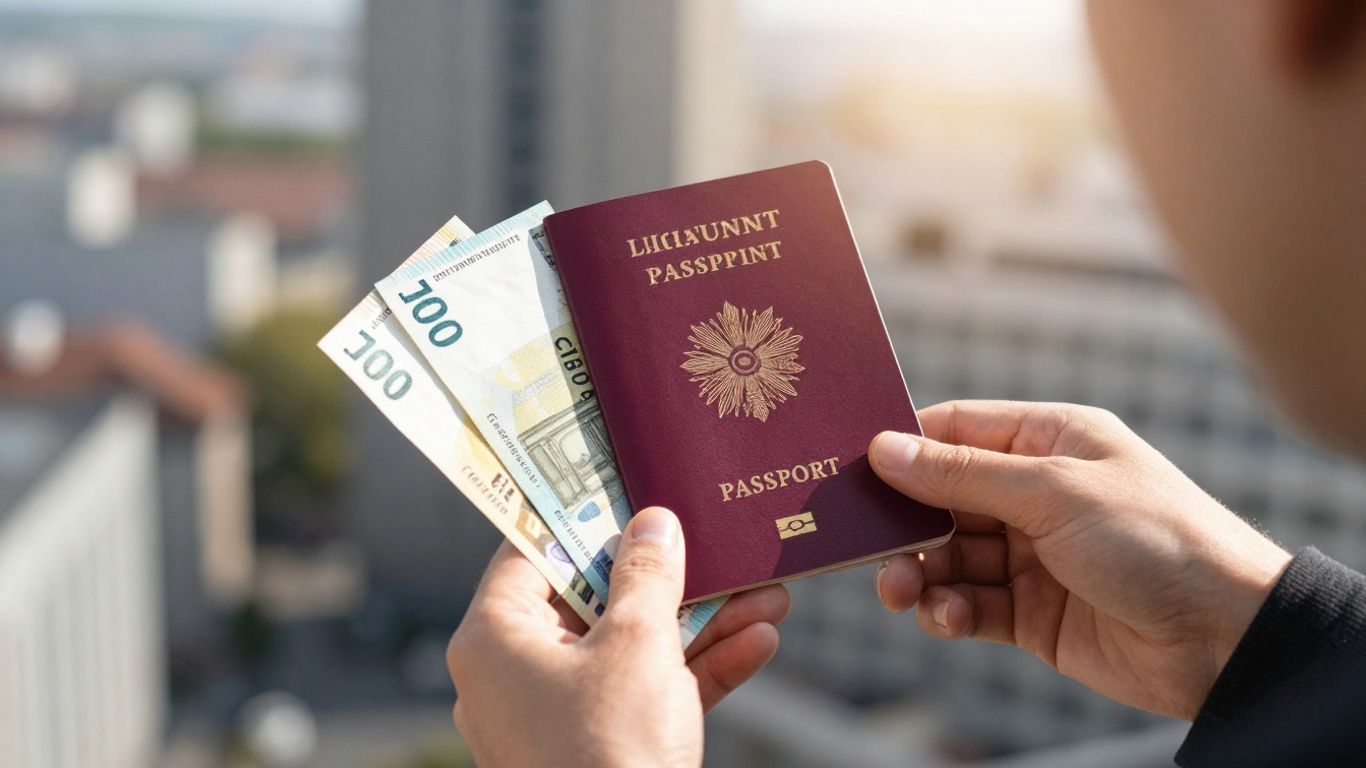
Moving to a new country often means getting to grips with a whole new set of rules, and Germany is no exception when it comes to consumer rights. It’s not just about knowing what you can buy, but also what protections you have once you’ve made that purchase.
Consumer Protection Laws in Germany
Germany has quite robust laws in place to shield consumers. These laws cover a wide range of situations, from faulty goods to unfair contract terms. The aim is to ensure a fair marketplace where both buyers and sellers are treated equitably. For instance, when you buy something online, there are specific rules about returns. Since December 19th, online shops must provide a clear "revocation button" for consumers, making it simpler to cancel an order within a certain timeframe. This is part of a broader effort to align with EU consumer directives and give people more confidence when shopping online.
Understanding Contractual Agreements
Contracts are a big part of life in Germany, whether it's for your phone plan, your gym membership, or your rental agreement. It’s really important to read these carefully before you sign. Sometimes, contracts can auto-renew if you don't cancel them in time, and understanding these clauses can save you a lot of hassle and money down the line. If you're unsure about any terms, it's always a good idea to seek clarification. Many service providers now offer contracts in English, but if not, using a translation tool or asking a German-speaking friend can be helpful.
Your Rights When Purchasing Goods and Services
When you buy something, whether it's a new sofa or a haircut, you have certain rights. If a product is faulty or not as described, you're usually entitled to a repair, replacement, or refund. This applies to both physical shops and online purchases. For services, if they aren't carried out with reasonable care and skill, you also have recourse. It’s worth noting that the rules can differ slightly between new and used goods, so always check the specifics.
Resolving Disputes with Businesses
Sometimes, things don't go as planned, and you might find yourself in a disagreement with a business. Germany has several avenues for resolving these issues. Often, the first step is to contact the business directly to try and find a solution. If that doesn't work, there are consumer advice centres (Verbraucherzentralen) that can offer guidance and support. For more complex issues, legal action might be a last resort, but it's usually possible to sort things out without going to court. Remember, keeping records of all your communication and receipts is key.
Data Protection and Privacy Rights
In today's digital world, protecting your personal data is more important than ever. Germany, like the rest of the EU, has strict data protection laws (the GDPR). This means businesses have to be transparent about how they collect, use, and store your information. You have the right to know what data they hold on you and, in many cases, to have it deleted. Always check the privacy policy when signing up for new services or websites.
Understanding Warranty and Guarantee Periods
When you buy new goods in Germany, they typically come with a statutory warranty period of two years. This means that if the product develops a fault within this time, the seller is generally responsible for fixing it, replacing it, or giving you your money back. This is different from a manufacturer's guarantee, which is an extra promise offered by the company that made the product. It's important to understand the difference, as the statutory warranty provides a baseline level of protection that cannot be taken away.
Navigating Rental Law Protections
Rentals are a significant part of many expats' lives. German rental law offers tenants quite a bit of protection. For example, rent increases are regulated, and landlords usually need a valid reason to terminate a tenancy. Your landlord is also responsible for most repairs, though minor maintenance might fall to the tenant. Understanding your rights and obligations as a tenant is vital, and resources like tenant associations (Mieterverein) can provide valuable advice. It's always wise to get a clear, written rental agreement and to document the condition of the property when you move in.
Key Takeaway: Familiarise yourself with these consumer rights to shop and contract with confidence in Germany. Don't hesitate to seek help from consumer advice centres if you encounter problems.
Here's a quick look at some common consumer rights:
- Right to Information: Businesses must provide clear and accurate information about products and services.
- Right to Withdrawal: For online and distance purchases, you generally have 14 days to change your mind.
- Right to a Faulty Product Remedy: If a product is defective, you are entitled to a repair, replacement, or refund.
- Protection Against Unfair Terms: Contracts cannot contain clauses that are unreasonably disadvantageous to the consumer.
Remember, being informed is your best defence. If you're ever in doubt, reaching out to a consumer protection agency is a sensible step. You can find more information on consumer rights through organisations like the Verbraucherzentrale.
Long-Term Financial Strategy for Expats
Setting Long-Term Financial Goals
Thinking about the long haul is pretty important when you're living abroad. It's not just about getting by month-to-month; it's about building something solid for your future. This means figuring out what you want your money to do for you down the line. Are you aiming to buy property here in Germany? Perhaps you're thinking about setting up your own business eventually, or maybe you just want a comfortable retirement without any worries. Defining these goals clearly is the first step to making a plan that actually works. It gives you something concrete to aim for, making all the day-to-day financial decisions much easier.
Developing a Comprehensive Financial Plan
Once you know what you're aiming for, you need a roadmap. A comprehensive financial plan is like a detailed map for your money. It takes your goals and breaks them down into manageable steps. This plan should cover everything: your budget, your savings, your investments, and even your insurance. It's not a static document, though. Life changes, and so should your plan. Think of it as a living document that you revisit and tweak regularly. It’s about making sure all the different parts of your financial life work together, rather than being separate, disconnected pieces. For instance, if buying a house is a goal, your plan will need to factor in saving for a deposit, understanding mortgage options, and considering ongoing costs.
Regularly Reviewing Your Investment Portfolio
If you've started investing, which is a smart move for long-term growth, you can't just set it and forget it. Markets change, companies evolve, and your own circumstances might shift. That's why giving your investment portfolio a good look-over periodically is a must. You want to make sure it's still aligned with your goals and your comfort level with risk. Sometimes, you might need to rebalance things – sell a bit of what's done really well and buy more of something that's lagging but has potential. It’s also a good time to check if your investments are still performing as you expected. Don't be afraid to seek out independent financial advice if you're unsure about what to do.
Adapting to Changes in Personal Circumstances
Life throws curveballs, doesn't it? Maybe you get a promotion, start a family, or decide to change careers. All these personal changes have financial implications. Your long-term strategy needs to be flexible enough to handle them. If your income increases, you might be able to save more or invest more aggressively. If you have a child, your expenses will go up, and you might need to adjust your budget and savings goals. It’s about being prepared to pivot your financial strategy when your life circumstances change, rather than sticking rigidly to a plan that no longer fits.
Planning for Wealth Transfer and Inheritance
This might seem a bit morbid, but thinking about what happens to your assets after you're gone is a key part of long-term financial planning. It's especially relevant if you have family back home or plan to leave an inheritance. This involves understanding German inheritance laws, which can be quite different from what you might be used to. It also means thinking about things like wills and potentially setting up trusts. Getting this sorted can save your loved ones a lot of hassle and potential legal complications down the line. It’s about making sure your wishes are clear and legally sound.
Ensuring Financial Security Throughout Your Life
Ultimately, a long-term financial strategy is all about building security. It's about having enough money to live comfortably now, to handle unexpected events, and to enjoy your later years. This involves a mix of smart saving, sensible investing, and adequate protection through insurance. It’s a continuous process of planning, acting, and reviewing. The aim is to create a financial situation where you feel confident and in control, no matter what life brings. It’s not just about accumulating wealth, but about using that wealth to live a secure and fulfilling life.
Continuous Learning in Financial Management
The world of finance is always changing. New investment products emerge, tax laws get updated, and economic conditions shift. To keep your long-term strategy effective, you need to keep learning. This doesn't mean you need to become a financial expert overnight. It could be as simple as reading articles, attending webinars, or having regular chats with your financial advisor. Staying informed helps you make better decisions and adapt your plan as needed. It’s about being proactive rather than reactive when it comes to your money. The more you understand, the more confident you'll feel about your financial future.
Exiting Germany: Financial Considerations
So, you're planning to leave Germany? It's a big step, and sorting out your finances before you go is pretty important. You don't want to leave loose ends that could cause headaches later on, right? It’s about making sure everything is squared away so you can move on without any lingering financial worries.
Deregistering Your Residence (Abmeldung)
First things first, you absolutely must deregister your residence with the local authorities. This is called 'Abmeldung'. It's not just a formality; it's a legal requirement that signals to the German system that you're no longer living there. You'll typically need to do this within a week or two of leaving your accommodation. You'll usually get a certificate of deregistration, which is a key document you'll need for other steps, like closing accounts. It's a bit of a bureaucratic hurdle, but getting it done properly is vital.
Closing Bank Accounts and Financial Products
Once you've deregistered, it's time to tackle your bank accounts. You'll need to inform your bank that you're leaving Germany and intend to close your account. They'll likely ask for your new address abroad and may require your deregistration certificate. It's a good idea to do this in person if possible, or at least have a clear plan for how you'll manage the closure remotely. Don't forget about any other financial products you might have, like savings accounts, investment accounts, or even mobile phone contracts that are tied to your bank. You'll need to terminate these too.
Settling Outstanding Bills and Contracts
Before you wave goodbye, make sure all your bills are paid up. This includes utilities like electricity, gas, and water, as well as any internet or phone contracts. You'll also need to settle your rent and ensure your landlord has no outstanding claims. If you have any direct debits set up, remember to cancel them or make sure they won't continue to charge you after you've left. It’s worth making a list of all your recurring payments to avoid any nasty surprises.
Retrieving Tax Refunds and Contributions
Depending on when you leave and your employment situation, you might be due a tax refund. If you've paid into the German pension system, you might also be able to reclaim some contributions, especially if you're not a citizen of an EU country and won't be returning to Germany to claim a pension later. This process can take time, so it's wise to start looking into it well before your departure. You might need to file a final tax return to sort this out. It's often a good idea to get professional advice on this, as tax rules can be complex, especially when you're leaving the country. You can find more information on tax matters on official German government sites.
Transferring Investments and Assets Abroad
If you have investments in Germany, like stocks, bonds, or funds, you'll need a plan for them. You can often transfer these to an investment account in your new country, though the specifics will depend on the type of investment and the countries involved. Be aware of any potential tax implications or fees associated with transferring assets across borders. Some international corporate reorganizations can trigger specific tax events, so understanding these is key.
Notifying Relevant Authorities of Departure
Besides deregistering with your local council, there might be other authorities you need to inform. This could include your employer (obviously!), but also potentially health insurance providers, pension funds, and any other government bodies you've had dealings with. Keeping everyone in the loop helps prevent issues down the line. It's all about tidying up your administrative affairs.
Finalising Insurance Policies
Your German insurance policies, particularly health insurance, will need to be finalised. If you're leaving the EU, your German health insurance will likely cease. You'll need to arrange cover for your new location. Similarly, review any other policies like household contents insurance or liability insurance. Make sure they are cancelled correctly and that you won't be charged further. It’s important to have continuous cover, so plan your new insurance well in advance of your departure.
Leaving Germany involves a series of administrative and financial steps that require careful attention. Proactive planning and clear communication with relevant institutions are key to a smooth exit and avoiding future complications.
Thinking about leaving Germany? It's smart to sort out your money matters before you go. We can help you understand the financial steps involved, like dealing with investments and taxes. Want to make sure you've got everything covered? Visit our website for clear advice.
Moving Forward with Confidence
So, you've made it through the basics of German finance. It might seem like a lot at first, with all the paperwork and new systems, but remember, you're not alone in this. We've covered everything from getting your bank account sorted to understanding taxes and insurance. The key is to take it one step at a time. Don't be afraid to ask questions or seek out advice when you need it. With this knowledge, you're well on your way to feeling comfortable and in control of your money here in Germany. Keep learning, stay organised, and enjoy your new life!
Frequently Asked Questions
What's the first thing I need to do with my money when I arrive in Germany?
The very first thing you should do is open a German bank account. You'll need this to get paid, pay your rent, and handle most everyday shopping. You'll usually need your passport and proof of address, like your rental agreement or a confirmation from your landlord.
Is it hard to open a bank account as a foreigner?
It can seem a bit tricky at first, mainly because of the paperwork. You'll need your ID and proof of address. Some banks are more expat-friendly than others and might have English-speaking staff or online services that make it easier. Digital banks are often a good choice for newcomers.
Do I really need to budget my money in Germany?
Yes, absolutely! It's super helpful to know where your money is going. Germany can sometimes feel a bit more cash-based than other countries, and knowing your spending habits helps you save up for bigger things or just make sure you have enough for the month.
What's a 'Steuerklasse' and why should I care?
A 'Steuerklasse' is basically your tax bracket. It affects how much tax is taken out of your salary each month. It's important to know which one you're in, as it can change how much money you actually take home. Your employer or a tax advisor can help you figure this out.
Will I have to pay taxes in both Germany and my home country?
Sometimes, yes. This is called double taxation. Luckily, Germany has agreements with many countries to prevent you from paying tax on the same income twice. It's a good idea to talk to a tax expert who knows about these rules.
What kind of insurance is a must-have in Germany?
Health insurance is mandatory for everyone living here. Beyond that, 'Haftpflichtversicherung' (liability insurance) is highly recommended. It's quite cheap and covers you if you accidentally damage someone else's property or cause an injury.
How do I send money back home or receive money from abroad?
You can use your German bank account for international transfers, but watch out for fees and exchange rates. There are also special online services like Wise (formerly TransferWise) or Revolut that often offer better rates and lower fees for sending money across borders.
Should I invest my money in Germany?
Yes, it's a smart move for the future! You can invest in things like stocks, bonds, or exchange-traded funds (ETFs). Many German banks and online platforms make it easy to start investing, even with small amounts. Just make sure to spread your investments around to reduce risk.
What's an 'Anmeldung' and why is it important for my finances?
An 'Anmeldung' is your official registration of residence. You get a certificate after you register at the local town hall. You'll need this document for almost everything financial, including opening a bank account, getting a tax ID, and sometimes even setting up utilities.
Are there any special financial rules for people on an EU Blue Card?
People with an EU Blue Card generally have a straightforward path to financial stability. You'll need a job offer, and your income needs to meet a certain level. Once you have that, opening accounts, getting loans, and managing your taxes are similar to other employed residents, though specific requirements might vary slightly.
What happens to my money if I leave Germany?
Before you leave, you need to close your bank accounts and any other financial products you have. You'll also want to settle any outstanding bills. If you paid into the German pension system, you might be able to get some of that money back later, depending on your situation.
Where can I get help if I'm confused about German finances?
Don't hesitate to seek professional advice! Many banks have expat support, and there are tax advisors ('Steuerberater') who specialise in helping foreigners. There are also financial planners who understand the needs of people living abroad.