
On this page
Moving to Germany, whether for work or study, means you'll need to sort out your finances.
And that almost always means getting a German bank account. It’s not just about convenience; it’s often a requirement for things like renting a flat or getting paid.
It might seem a bit much at first, with all the paperwork and different bank types, but honestly, it’s pretty straightforward once you know what you’re doing. This guide should help clear things up about banking in Germany.

Financial Advisory for Expats in Germany
In our free digital 1:1 consultation, our independent investment advisors help you develop a plan for your wealth accumulation that fits your financial goals.
Key Takeaways
- You'll need a German bank account for most daily tasks, like renting or getting paid.
- Germany has different types of banks: private, direct/mobile, and public savings/cooperative banks.
- Opening an account usually requires your passport, proof of address (Anmeldung), and visa/residence permit.
- Online banks often have simpler processes and English support, while traditional banks offer more in-person services.
- SEPA makes sending Euros across Europe easy, and IBANs are standard for all accounts.
- Credit cards aren't as widely used as in some countries; cash is still quite common.
- Understanding basic German banking terms like 'Konto' (account) and 'Geldautomat' (ATM) is helpful.
- Registering your address (Anmeldung) is a vital first step before you can open most bank accounts.
Understanding the German Banking Landscape
Germany has a pretty big banking system, and it can feel a bit much when you first arrive. There are quite a few different types of banks, each with its own way of doing things. It's really important to get a handle on these differences early on so you can pick the right one for you, whether you're just here for a bit or setting up a business.
Overview of German Bank Types
When you look around, you'll see a few main categories of banks. They all offer basic services like current accounts and savings, but their focus and how they operate can be quite different. It's not just about picking the biggest name; it's about finding a bank that fits your lifestyle and financial needs.
- Private Banks: These are often the big, well-known names you see everywhere. They tend to offer a wide range of services, from everyday banking to more complex things like investments and wealth management. They usually have a large network of branches.
- Direct and Mobile Banks: These are the newer players on the scene. They operate almost entirely online or through an app, meaning they don't have many physical branches. This often translates to lower fees and sometimes better English support, which is a big plus for newcomers.
- Public Savings Banks and Cooperative Associations: Think of these as the local heroes. Sparkassen (savings banks) and Volksbanken (cooperative banks) are usually very community-focused. They often support local businesses and individuals, and you'll find them in smaller towns as well as cities.
Private Banks and Their Services
These are the established, nationwide banks. They're known for offering a full spectrum of financial products. If you're looking for things like investment advice, loans for property, or even international banking services, a private bank might be your go-to. They often have dedicated advisors you can speak to, which can be helpful for complex financial planning. However, this level of service can sometimes come with higher fees compared to other types of banks.
The Role of Direct and Mobile Banks
Direct banks, sometimes called online banks, have really changed the game. Because they don't have the overhead of running lots of physical branches, they can often offer accounts with no monthly fees or very low ones. Their apps are usually slick and easy to use, making managing your money on the go simple. For many expats, these banks are a popular choice because they often have English-speaking customer service and a straightforward account opening process. You can often open an account in minutes using just your phone.
Public Savings Banks and Cooperative Associations
These banks, like the Sparkasse and Volksbanken, have a long history in Germany. They are often structured as public or cooperative entities, meaning they have a strong connection to their local area. They are particularly supportive of small and medium-sized businesses (SMEs) and individuals within their community. While they might not always have the most cutting-edge apps, they offer a reliable service and a personal touch, with many branches available. Their English support can vary, so it's worth checking beforehand if that's a priority for you.
Key Banks for Personal and Business Needs
When you're trying to decide, a few names pop up frequently. For personal banking, you'll hear about Deutsche Bank and Commerzbank as major private banks. For digital banking, N26 and Tomorrow are very popular, especially with younger people and expats. If you're starting a business, you might look at specialised business accounts offered by some of the private banks or even fintech companies that focus on entrepreneurs. It's a good idea to check out the German property market if you're thinking about long-term financial planning here.
Choosing a Bank Based on Your Requirements
Ultimately, the best bank for you depends on what you need. Do you prefer talking to someone face-to-face, or are you happy managing everything on your phone? Are you looking for the absolute lowest fees, or are you willing to pay a bit more for extra services? Think about how often you'll need to withdraw cash, if you'll be making international transfers, and what kind of customer support you expect. Answering these questions will help narrow down your choices considerably.
Essential Documentation for Opening Accounts
Right then, let's talk about what you'll actually need to get a bank account sorted in Germany. It can feel a bit like a treasure hunt sometimes, but having the right papers makes it so much easier. You'll generally need a few key things, no matter which bank you choose.
Identification Requirements for Account Holders
First off, you need to prove who you are. This is pretty standard stuff, really. You'll need a valid form of identification. Usually, this means:
- Passport: Your main travel document, which is always a good bet.
- National Identity Card: If you're from an EU country, your national ID card should work.
Some banks might ask for a copy, while others will just want to see the original. It's always best to have both your passport and any other ID you possess handy, just in case.
Proof of Address Registration (Anmeldung)
This is a big one in Germany. Once you've found a place to live, you must register your address with the local authorities. This is called the Anmeldung. You'll get a certificate from them, and banks absolutely need to see this. It's their way of confirming you're actually living here. Without this piece of paper, opening an account is pretty much impossible. Some cities offer furnished accommodation that can help with this process, which is handy if you're still finding your feet.
Visa and Residence Permit Documentation
If you're not an EU citizen, you'll need to show your visa or residence permit. This document proves your legal right to be in Germany. The type of permit you have might influence which banks are best for you, but generally, you'll need to present it.
Income and Employment Verification
Depending on the bank and the type of account you're opening, you might need to show proof of your income or employment. This could be:
- Employment Contract: Your official work agreement.
- Recent Payslips: Usually, the last three months' worth.
- Tax Assessment: For self-employed individuals, this might be a tax advisor's confirmation.
Some banks, especially online ones, might be a bit more relaxed about this for basic accounts, but traditional banks often want to see it, particularly if you're looking for credit facilities.
Student-Specific Documentation Needs
If you're coming to Germany to study, the requirements are slightly different. You'll typically need:
- Proof of Enrollment: A letter from your university or educational institution confirming you're a registered student.
- Evidence of Student Funding: This could be a scholarship letter, a statement showing you have enough funds to support yourself, or a declaration from a sponsor.
Many banks offer special accounts for students, which often come with fewer fees.
Business Registration for Entrepreneurs
For those setting up a business, the paperwork is more involved. You'll need documents that prove your business is legally registered. This usually includes:
- Trade Register Extract (Handelsregisterauszug): If your business is registered.
- Business Registration Certificate (Gewerbeanmeldung): For sole traders and freelancers.
- Articles of Association: For limited companies.
It's a good idea to check with the specific bank you're interested in, as requirements can vary quite a bit for business accounts. Getting your business finances sorted is a key step when you're establishing a company in Germany.
Navigating the Account Opening Process
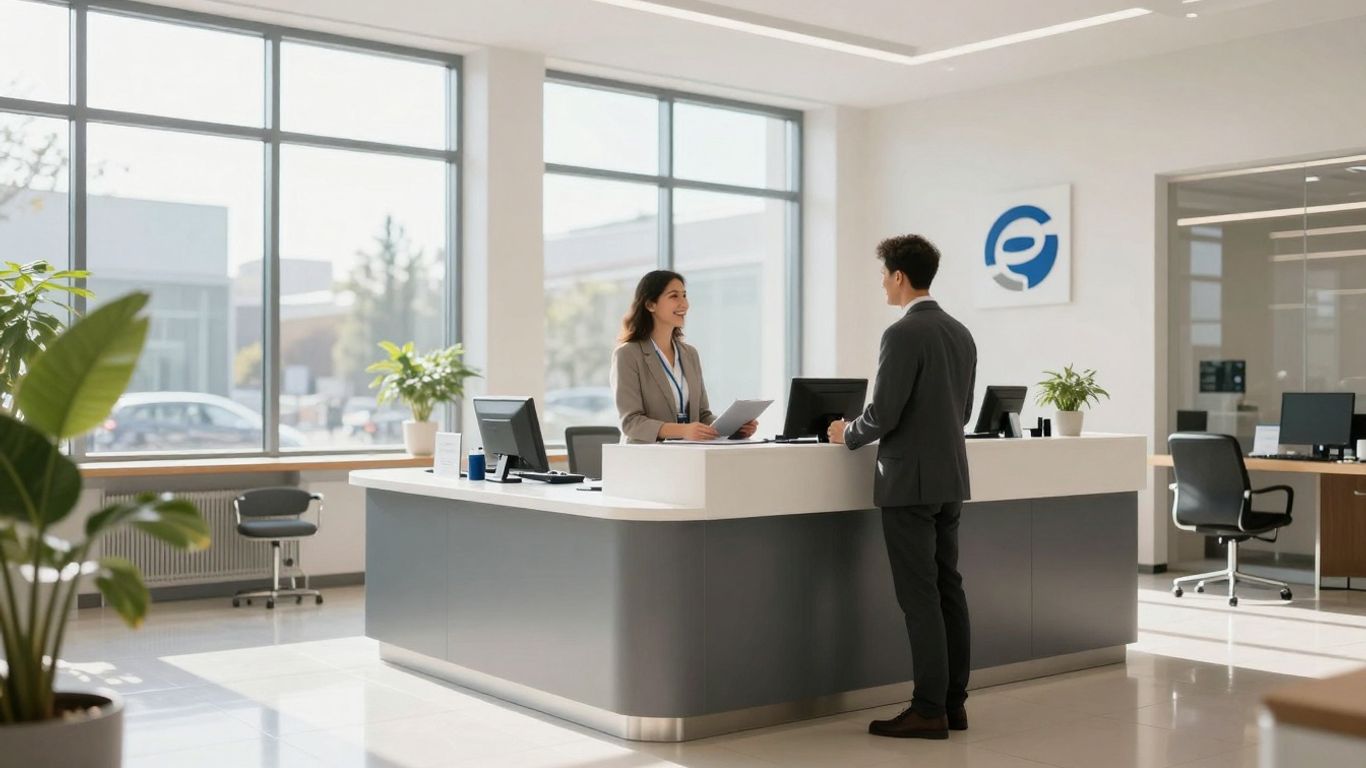
So, you've figured out which bank might be the best fit for you. That's a big step! Now comes the actual process of opening the account. It might seem a bit daunting, especially if you're new to Germany, but it's usually quite straightforward once you know what to expect. Having all your documents in order beforehand makes a world of difference.
Step-by-Step Guide to Account Application
The journey to opening a bank account typically involves a few key stages. While the specifics can vary between banks, the general flow is quite consistent. It's always a good idea to check the bank's website for their exact procedure.
- Application Submission: This is where you formally apply. You'll fill out a form, either online or in person, providing your personal details.
- Document Verification: The bank needs to confirm who you are and that you meet their requirements. This is a critical step.
- Identity Confirmation: You'll need to prove your identity. We'll cover the common methods for this shortly.
- Account Activation: Once everything is approved, your account will be set up and ready to use.
- Card and PIN Delivery: Your debit card and PIN will usually arrive by post a few days later.
Online Account Opening Procedures
Many people these days opt for opening an account online, and it's easy to see why. It's convenient and can often be done from the comfort of your own home. You'll usually start by filling out an application form on the bank's website. After that, you'll need to verify your identity. This often involves a video call with a bank representative or using a service like Postident, where you take your documents to a post office for verification. It's a pretty streamlined process, especially for those who are comfortable with digital platforms. Many banks are making this easier for expats, with English-language support available.
In-Person Branch Account Applications
If you prefer a more traditional approach or need to ask questions face-to-face, visiting a bank branch is still very much an option. You'll typically need to book an appointment beforehand, either online or by phone. When you arrive, a bank employee will guide you through the application process, review your documents, and answer any queries you might have. While it might take a bit longer than the online route, it can offer a more personal touch and is a good choice if you're less comfortable with purely digital interactions. You can find out more about business bank accounts if you're setting up a company.
Identity Verification Methods
Proving your identity is a non-negotiable part of opening a bank account in Germany. The most common methods include:
- Video Identification: Conducted via a video call, where you show your ID to a bank employee.
- Postident: You receive a voucher to take to a Deutsche Post office, where an employee verifies your ID documents.
- In-Branch Verification: Simply presenting your identification at the bank branch during your appointment.
Typical Account Activation Timelines
Once you've submitted your application and all your documents have been verified, there's usually a waiting period before your account is fully active. This can vary, but generally, you can expect the process to take anywhere from a few days to about two weeks. The bank needs time to process your application, conduct any necessary checks, and set up your account properly. It's worth noting that this timeline can sometimes be longer if there are any complications or if you're applying from abroad.
Receiving Your Debit Card and PIN
After your account is activated, you'll typically receive your debit card and its associated Personal Identification Number (PIN) by post. These usually arrive separately for security reasons. The card might take a few days to a week to arrive after your account is active. Once you have both, you're all set to start using your new German bank account for everyday transactions. Remember to keep your PIN secure and never share it with anyone. You'll need to have valid identification, such as a passport or residence permit, to complete this process [112a].
Opening a bank account in Germany requires careful attention to detail, particularly regarding documentation. Banks need to be sure of your identity and your legal standing in the country. Having your Anmeldung (proof of address registration) is almost always a prerequisite before any bank will proceed with opening an account for you. This bureaucratic step is a common hurdle for newcomers, so tackling it early is advisable.
Document Type | Common Requirement |
|---|---|
Identification | Passport, National ID Card, Residence Permit |
Proof of Address | Anmeldung (Registration Certificate) |
Visa/Residence Permit | Valid visa or residence permit |
Employment/Income Proof | Payslips, employment contract, tax returns |
Student Status | Enrollment certificate, proof of funding |
Business Registration | Trade register extract, business license (for businesses) |
This table gives a general idea of what you might need, but always check with your chosen bank for their specific list [25c2].
Choosing the Right German Bank Account
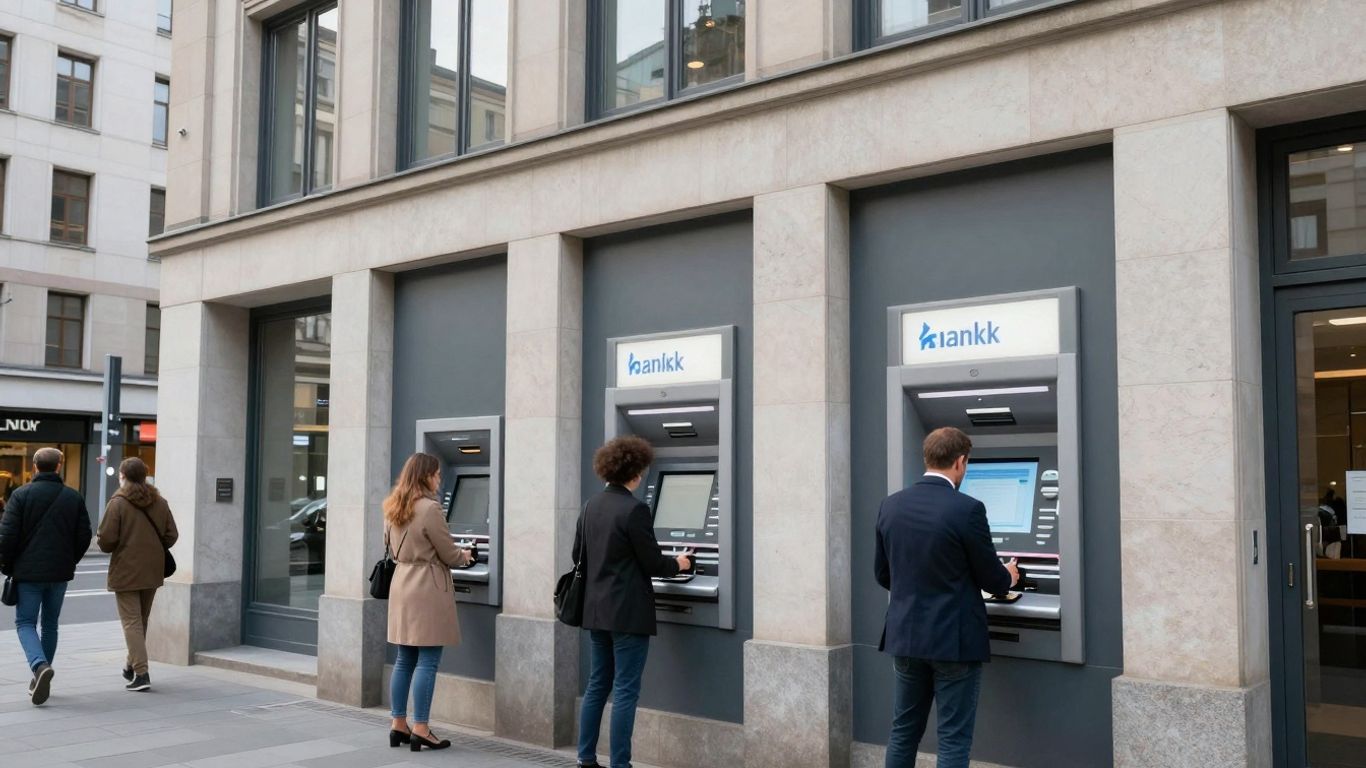
So, you've got your German visa sorted, your Anmeldung is in hand, and now it's time for the next big step: picking a bank account. It sounds simple enough, but honestly, with all the options out there, it can feel a bit overwhelming. It's not just about where you stash your cash; it's about how you manage it day-to-day, and what fits your lifestyle best. The key is to find a bank that genuinely works for you, not the other way around.
Factors Influencing Bank Selection
When you're looking at banks, there are a few things that really matter. Think about what you'll actually use the account for. Are you going to be doing a lot of international transfers? Do you prefer managing everything on your phone, or do you like having a physical branch nearby just in case? These preferences will steer you towards different types of banks.
Here's a quick rundown of what to ponder:
- Your Banking Habits: How often do you visit a branch? Do you rely heavily on mobile apps? Are you comfortable with online-only services?
- Cost of Services: Look beyond the headline offers. What are the monthly fees (if any)? What about charges for ATM withdrawals, international payments, or using your card abroad?
- Language Support: This is a big one for many people moving to Germany. Do you need customer service in English, or are you happy to tackle German banking terms?
- Technological Features: Does the bank's app have all the features you need? Is online banking easy to use and secure?
- Branch Network: If you value face-to-face interaction, the proximity and number of branches might be important.
Assessing Language Support and Accessibility
Let's be real, dealing with official stuff in a new country is tough enough without a language barrier. While many German banks are getting better at offering English support, it's not always a given, especially with older, more traditional institutions. Some banks might have English-speaking staff available, but perhaps only at certain times or in specific branches. Online banks, on the other hand, often have a more streamlined approach, with apps and websites fully translated and customer service readily available in English. This can make a huge difference when you're trying to sort out a problem quickly. For instance, some online providers make it quite straightforward for newcomers to get set up, using video calls for verification, which is a lot easier than trying to explain your situation in broken German at a counter. You can find a good overview of options that cater to expats here.
Understanding Bank Fees and Charges
Fees can really add up, so it's worth doing your homework. Most banks will have a monthly fee for managing your account, often called 'Kontoführungsgebühren'. Some online banks offer free basic accounts, which is a definite plus, especially when you're just starting out. Traditional banks, however, are more likely to charge a monthly fee, though sometimes this can be waived if you meet certain conditions, like having a minimum monthly income deposited. Don't forget to check for other potential costs too:
- ATM Withdrawal Fees: Are you charged for using your card at your bank's ATMs? What about other networks?
- Card Fees: Is there an annual fee for your debit or credit card?
- Overdraft Fees: If you accidentally go into the red, how much will that cost you?
- International Transaction Fees: Using your card abroad or making payments in other currencies can incur extra charges.
It’s a good idea to compare the fee structures of a few different banks to see where you can save money. Sometimes, a slightly higher monthly fee might be worth it if it includes unlimited free transactions or better customer service.
Comparing Online Banks for Expats
Online banks have really shaken things up, and for expats, they often present a more accessible entry point into the German banking system. Think N26, Tomorrow, or Bunq. These digital-first banks are built with convenience in mind. Their apps are usually slick, intuitive, and fully available in English. Opening an account is typically a quick process done entirely online, often involving a video call for identity verification. This bypasses a lot of the paperwork and potential language issues you might face with traditional banks. They often have competitive pricing too, with many offering free basic accounts. If you're comfortable managing your finances digitally and don't need a physical branch, these are definitely worth a close look. You can find comparisons of digital business accounts here.
Evaluating Traditional Banks for Comprehensive Services
Despite the rise of online banking, traditional banks like Deutsche Bank, Commerzbank, or Sparkasse still hold a significant place. They offer a wider range of services beyond just a current account. If you're looking for investment advice, complex loan products, or simply prefer the security of having a physical branch to visit, these banks might be a better fit. Their networks are extensive, and they often have long-standing relationships with local communities and businesses. However, be prepared for potentially higher fees and a more bureaucratic process. Customer service might be more formal, and while English support is often available, it might not be as readily accessible as with a digital bank. It's a trade-off between comprehensive services and digital convenience.
Credit Unions as a Middle-Ground Option
Then you have the cooperative banks, like Volksbanken and Raiffeisenbanken. These often strike a balance between the digital world and traditional banking. They are owned by their members, which can mean a more community-focused approach. While they have physical branches, they also offer online banking services. Their fees can be competitive, and they often provide a good mix of personal service and digital tools. For some, they represent a comfortable middle ground, offering the reliability of a traditional institution with a more personal touch than some of the larger, more impersonal banks. They tend to be very supportive of local small and medium-sized enterprises (SMEs) too.
Key Features of Online Banking in Germany
Convenience of Digital Banking Platforms
Online banking in Germany has really changed how people manage their money. It's all about making things quick and easy from your computer or phone. You can check your balance, see recent transactions, and even make payments without ever needing to go to a physical branch. This digital shift means you can handle most of your banking needs anytime, anywhere. It’s a big change from the old days of queuing up at the bank.
Security Measures in Online Transactions
When you're banking online, security is obviously a big deal. German banks take this seriously. Most of them use a system called TAN, which stands for Transaction Authentication Number. You'll usually get these numbers sent to your phone via SMS, or they might be generated by a special app. This extra step helps make sure it's really you making the transaction and not someone else.
Here's a quick look at how it generally works:
- You initiate a payment or transfer online.
- The bank sends you a unique TAN.
- You enter this TAN to confirm the transaction.
- The transaction is then processed.
Utilising Transaction Authentication Numbers (TANs)
As mentioned, TANs are a cornerstone of secure online banking here. They're not just a random number; they're specific to each transaction you make. This means even if someone managed to get hold of your login details, they wouldn't be able to complete a transaction without the correct, current TAN. It adds a really solid layer of protection to your digital banking.
Understanding Online Payment Systems
Germany has a couple of popular systems for paying online directly from your bank account. Giropay is one of them. It works by connecting you directly to your bank's online portal to authorise the payment. Then there's Paydirekt, which is similar but is a direct service from German banks themselves. Both are designed to be secure and convenient, letting you pay for things online without needing a credit card.
Mobile Banking Applications and Features
Most banks, whether they're traditional or digital-only, now have mobile apps. These apps are usually pretty slick and let you do almost everything you can on the website. You can check balances, transfer money, set up payments, and often even deposit cheques by taking a photo. Some apps also have built-in security features, like fingerprint or facial recognition, to log in.
Benefits of Digital-First Banking Services
For many people, especially those new to Germany, digital-first banks are a game-changer. They often have apps and customer service that are fully in English, which can make things much simpler. Plus, their fee structures are usually quite competitive, with many offering free current accounts. It’s a straightforward way to get your banking sorted without the usual paperwork headaches.
Setting up a bank account in Germany used to feel like a big hurdle, especially with the language. But with online banking, it's become so much more accessible. You can get your account sorted quickly and manage your money easily, all from your phone. It really helps when you're trying to settle into a new country.
Business Banking for Entrepreneurs
So, you've decided to set up shop in Germany. That's brilliant! But before you start dreaming of success, there's a practical step you can't skip: sorting out your business finances. This means getting a dedicated business bank account. It’s not just about keeping your personal cash separate from your company's; it's often a legal requirement depending on your business structure.
Requirements for German Business Accounts
Opening a business account in Germany involves a few key things. Banks want to know who you are and what your business is all about. You'll typically need your personal identification, like your passport, and proof that you're legally allowed to be in Germany, such as a residence permit. For your business, expect to provide registration documents. This could be an excerpt from the Commercial Register (Handelsregister) if you're a registered company, or proof of your trade registration (Gewerbeanmeldung) if you're a sole proprietor or freelancer. Some banks might also ask for a business plan, especially if you're seeking financing.
Banks Specialising in Business Accounts
While many high-street banks offer business accounts, some really focus on entrepreneurs and small businesses. These often come with features designed to make life easier, like integrated accounting tools or simplified international payments. Think about banks that are known for their digital services, as they tend to be quicker and more streamlined for new businesses. Some newer digital banks are particularly good at this, offering quick online account opening processes that are a lifesaver when you're busy getting your venture off the ground. It’s worth looking into options that cater specifically to freelancers and self-employed individuals as their needs can be quite distinct.
Documentation for Self-Employed Individuals
If you're self-employed or a freelancer, the paperwork is usually a bit simpler than for a large corporation, but still important. You'll definitely need your personal ID and proof of address. Crucially, you'll need your tax number (Steuernummer) from the Finanzamt (tax office) and often a certificate of registration for your trade (Gewerbeanmeldung). Some banks might also ask for a freelance certificate (Freiberuflerbescheinigung) if you fall into that category. Having all these documents ready will speed up the process considerably.
Managing Company Finances Separately
This is a big one. Mixing personal and business money is a recipe for headaches, both for your own clarity and for tax purposes. A separate business account means you can easily track income and expenses related to your work. It makes bookkeeping much simpler and provides a clear audit trail if the tax authorities ever come knocking. It also helps you get a realistic picture of your business's profitability.
International Business Banking Needs
If your business operates beyond Germany's borders, you'll need a bank that can handle international transactions smoothly. Look for banks that offer competitive rates for foreign currency transfers and don't charge excessive fees for international payments. Understanding services like SEPA (Single Euro Payments Area) is key here, as it simplifies payments within the Eurozone. Some banks also offer multi-currency accounts, which can be a real advantage if you deal with clients or suppliers in different countries. Choosing the best business bank often hinges on these international capabilities.
Setting Up Payroll and Payments
As your business grows, you'll likely need to pay employees or contractors. Your business bank account will be the hub for this. Most banks offer payroll services, either integrated into their online banking platform or as a separate service. You'll need to be able to set up direct debits for supplier payments and standing orders for regular expenses. Make sure the bank you choose has a user-friendly system for managing these outgoing payments, as it will save you a lot of time and potential errors.
Understanding SEPA and International Transfers
When you're living or doing business in Germany, you'll eventually need to send or receive money from abroad. Thankfully, there's a system in place that makes this much simpler than it used to be. It's called SEPA, and it's a big deal for anyone dealing with euro transactions across Europe.
The Single Euro Payments Area Explained
SEPA, or the Single Euro Payments Area, is basically a way to make payments in euros across Europe really straightforward. Think of it as one big market for euro payments. It means that sending money from, say, Germany to France is pretty much the same as sending it across town. This applies to bank transfers, direct debits, and card payments. The goal is to make cross-border payments as easy and cheap as domestic ones. It covers all EU member states, plus a few other countries like Switzerland and the UK. You can find out more about the SEPA framework and its reach.
Benefits of SEPA for Cross-Border Payments
Before SEPA, sending money to another European country could be a bit of a hassle, often involving higher fees and longer waiting times. SEPA changed all that. Now, you get:
- Faster processing: Payments usually arrive within one business day.
- Lower costs: Fees are generally much lower, often comparable to domestic transfers.
- Standardised procedures: Everyone uses the same rules and formats, reducing confusion.
- Increased security: The system is designed with robust security measures.
International Bank Account Number (IBAN) Usage
To make all of this work, you'll need your IBAN. This is your International Bank Account Number. It's a unique code that identifies your specific bank account anywhere in the world. You'll find it on your bank statements or can get it from your bank. When you're making any SEPA transfer, or even many international ones, the IBAN is what you'll need to enter to make sure the money goes to the right place. It's a longer number than your old domestic account number, but it's designed to be unambiguous.
Efficient Euro Transfers Across Europe
Because of SEPA, moving euros around the continent is quite efficient. Whether you're paying a supplier in Spain, receiving rent from a tenant in Austria, or just sending money to family in Italy, it's all handled through the same system. This predictability is a huge plus for both individuals and businesses. It means you can plan your finances with more certainty, knowing when funds will arrive and how much they'll cost to transfer.
Cost-Effective International Money Transfer Services
While SEPA covers euro transfers within its zone very well, sometimes you might need to send money in other currencies, or perhaps you're looking for even cheaper options than standard bank transfers. In these cases, specialised services come in handy. Companies like Wise (formerly TransferWise) and XE.com are popular choices. They often provide better exchange rates and lower fees than traditional banks, especially for non-euro currencies. They've really made it easier to manage your money when it needs to cross borders.
Using Services Like Wise and XE.com
These services work by having local bank accounts in different countries. When you send money, you typically transfer it to their local account in your currency, and then they pay out from their local account in the recipient's currency. This avoids many of the international correspondent bank fees that traditional banks charge. It's a good idea to compare rates and fees between different providers before you make a transfer, as they can vary. For example, some might be better for larger sums, while others are more competitive for smaller amounts. It's worth checking out options like Wise for your international needs.
Credit Card Usage and Alternatives in Germany
When you first arrive in Germany, you might notice that things work a bit differently regarding payments compared to what you're used to. While credit cards do exist here, they aren't quite as central to daily life as in some other countries. Debit cards and cash often take precedence.
Prevalence of Credit Cards in Germany
Credit cards aren't the go-to payment method for many Germans. You'll find that Visa and Mastercard are the most commonly accepted types, but even then, don't assume every shop will take them. Many smaller businesses, cafes, and even some restaurants prefer cash payments. It's not unusual to see signs politely requesting customers to use cash.
Widely Accepted Credit Card Providers
If you do plan on using a credit card, Visa and Mastercard are your safest bets. American Express is accepted less frequently. When choosing a bank account, it's worth checking what kind of debit card they provide and how widely it's accepted. Some banks might offer a credit card as an add-on, but it's often an extra cost.
Types of Credit Cards Available
Germany offers various credit card types, including charge cards, revolving credit cards, and prepaid cards. However, the most common card you'll receive when opening a standard bank account is a debit card (EC-Karte or Girocard), which directly deducts funds from your account. Some banks might offer a free basic account with just a debit card, while others charge a monthly fee for a package that might include a credit card.
The Importance of Cash Payments
Despite the increasing adoption of digital payments, cash is still king in many situations. You'll definitely want to keep some euros on hand for smaller purchases, local markets, and spontaneous buys. It's a good habit to get into, especially when exploring smaller towns or less touristy areas.
Ensuring Debit Card Acceptance
Your debit card, often linked to the Girocard system, will be your primary payment tool. While widely accepted, it's wise to confirm with a vendor if you're unsure. Some supermarkets, like Aldi Süd, offer cashback on debit card payments, which can be a handy way to get cash without visiting an ATM.
Cash Withdrawal Convenience
Getting cash from ATMs (Geldautomaten) is generally straightforward. However, be aware that fees can apply, especially if you use an ATM from a different bank network than your own. Many banks have partnerships, so checking your bank's ATM network can save you money. For instance, withdrawing from a Sparkasse ATM with a Commerzbank account might incur a fee.
It's a good idea to compare the fee structures of different banks. Some online banks offer free withdrawals from a wide network of ATMs, which can be a significant advantage if you frequently need cash.
Alternatives for International Transfers
When it comes to sending money abroad, traditional bank transfers can be costly. Services like Wise (formerly TransferWise) or XE.com often provide better exchange rates and lower fees. Some digital banks, like N26, also facilitate fee-free international transfers, making them a convenient choice for expats. Remember that giropay, a popular online payment system, will cease operations by the end of 2024, so looking into alternatives like PayPal is advisable for online transactions.
Navigating Traditional German Banks
Overview of Major Traditional Banks
When you think about German banking, the big names that often come to mind are the traditional, established institutions. These are the banks with a long history, a physical presence on high streets across the country, and a reputation built over decades. For many people, especially those who appreciate a face-to-face interaction or need a wide range of financial products, these banks are still the go-to choice. They cater to everyone, from individuals needing a simple current account to large corporations requiring complex financial services. While they might not always be the cheapest option, their extensive networks and broad service portfolios make them a significant part of the German financial landscape.
Deutsche Bank Services and Fees
Deutsche Bank is one of Germany's largest and most well-known banks. They offer a pretty extensive list of services, covering everything from everyday banking like current accounts and savings to more complex things like investments and wealth management. For personal accounts, you'll generally find they charge a monthly fee, and then there are separate charges for specific transactions, especially if you're sending money abroad or withdrawing cash from certain ATMs. They do have online and telephone banking, which is handy, and a customer service line you can call if you get stuck. It’s a solid choice if you want a big bank with a lot of options, but be prepared for the associated costs.
Commerzbank and Postbank Offerings
Commerzbank and Postbank are two other major players in the German banking scene. Both provide a wide array of services, including online banking features that let you manage your money, change account settings, or even switch accounts. A neat perk is their ATM network access. Commerzbank customers can often withdraw cash for free at Deutsche Bank and Postbank ATMs, and Postbank customers have similar access to Cash Group ATMs, which includes Deutsche Bank and Commerzbank machines. This kind of inter-bank cooperation can be quite useful for avoiding withdrawal fees when you're out and about.
Benefits of Physical Branch Networks
One of the main draws of traditional banks is their physical branch network. Having a branch nearby means you can walk in and speak to someone directly if you have a problem or a question. This can be really reassuring, especially if you're new to Germany and dealing with unfamiliar processes. Need to sort out a complicated transaction, open a new type of account, or just get some advice? A branch visit can often be more straightforward than trying to explain it over the phone or via email. Plus, for certain tasks, like depositing large amounts of cash, a branch is often the only practical option.
Understanding Associated Account Fees
It's important to be aware that traditional banks in Germany often come with a set of fees. These can include monthly account management charges, fees for using your debit card beyond a certain limit, charges for international money transfers, and sometimes even fees for paper statements. It's not uncommon for current accounts to have a monthly fee, which can range from a few euros to over ten euros, depending on the bank and the account package. Always check the Preis- und Leistungsverzeichnis (list of prices and services) before you open an account to get a clear picture of what you'll be paying.
Customer Service and Support Channels
When it comes to customer service, traditional banks typically offer a mix of channels. You'll usually find a phone hotline, often with extended hours, and email support. Many also have online contact forms. For more complex issues, the physical branch remains a key point of contact. While the quality of service can vary, these banks generally invest in training their staff to handle a wide range of customer queries. However, it's worth noting that English language support might not always be as readily available or as comprehensive as with some of the newer, digital-first banks, especially outside of major cities.
Exploring Direct and Mobile Banking Options
Germany's banking scene isn't just about the old-school, high-street branches anymore. There's a whole wave of digital-first banks that have popped up, and they're really changing the game, especially for people new to the country. These direct and mobile banks often come with slick apps and a focus on making things easy, which is a big plus when you're trying to get settled.
Introduction to Digital-Only Banks
These banks operate entirely online, meaning no physical branches to visit. This setup usually translates into lower overheads, which can mean better deals for customers. Think fewer fees and more competitive interest rates, though it's always wise to check the specifics. They're built for the smartphone generation, offering a banking experience that's accessible anytime, anywhere.
Key Features of N26 and Tomorrow
N26 has become quite popular, particularly with expats. They offer a really straightforward mobile banking experience, and importantly, their customer support is often available in English. You can get various account types, including business ones, and they provide tools to help manage your money, like sub-accounts. A big draw is their fee structure; they often don't charge for withdrawals or monthly account maintenance, which can save you a fair bit. Opening an account is usually a quick process done entirely through their app.
Tomorrow takes a slightly different approach, positioning itself as a 'bank with a mission'. They focus on financing climate-related projects. For customers, this means a free checking account, often with a nice metal debit card. They also tend to have good deals on currency exchange and provide detailed control over your finances via their app. They support popular payment systems like Apple Pay and Google Pay, and you can even get multiple sub-accounts, each with its own IBAN. It's a solid choice if you're looking for a bank that aligns with environmental values. You can open a Tomorrow account in just a few minutes.
Bunq's Unique Banking Approach
Bunq is another digital bank that offers standard services but adds a few interesting extras. Beyond just checking and savings accounts, they can handle wire transfers and offer foreign currency accounts. They also have a service to help you switch your main banking over to them. Like others, they usually provide a free checking account and virtual card, with good rates for currency exchange. Their app gives you a lot of control, and they often have a chat feature for personalized support, which can be really helpful when you're trying to sort out banking matters in a new country.
Advantages of Mobile Banking Apps
The main selling point for these digital banks is undoubtedly their mobile apps. They're designed to be intuitive and give you a clear overview of your finances. You can check balances, make transfers, set up payments, and often even block or unblock your card, all from your phone. This level of control and convenience is hard to beat, especially when you're busy or on the go.
Streamlined Account Opening for Expats
One of the biggest hurdles for newcomers can be the paperwork involved in opening a bank account. Digital banks have really focused on simplifying this. The application process is typically done online, and identity verification often happens through a video call or a quick process using your passport. This can be much faster and less stressful than traditional methods, making it easier to get your finances sorted soon after arriving.
Comparing Digital Bank Fee Structures
When looking at these digital banks, it's important to compare their fee structures. While many advertise themselves as 'free', there can be charges for certain services. For example:
- Withdrawals: Some might offer a certain number of free withdrawals per month, after which a fee applies.
- International Transfers: While exchange rates might be good, there could still be small fees for sending money abroad.
- Premium Accounts: Often, the most feature-rich accounts come with a monthly subscription fee.
It's worth taking a close look at the terms and conditions to understand exactly what you'll be charged for. This helps avoid any surprises down the line and ensures you pick the bank that truly fits your spending habits.
Public and Cooperative Banking Institutions
When you're looking at banking options in Germany, you'll quickly come across the Sparkasse and the Volksbanken. These aren't just any banks; they represent a significant part of the German financial system, often with deep roots in local communities. They offer a more traditional approach compared to the newer digital banks, which can be a good thing if you prefer face-to-face interactions or are new to the country and want a solid, established institution.
The Role of Sparkasse
The Sparkasse network is quite unique. Think of them as regional savings banks, each operating independently but under a common umbrella. They've been around for ages and are known for being very stable. You'll find a Sparkasse branch in pretty much every town, big or small. They offer all the usual banking services – current accounts, savings accounts, loans, mortgages, and they're big on local business support too. Their focus is really on serving the local population and small to medium-sized businesses.
Understanding Volksbanken
Volksbanken, on the other hand, are cooperative banks. This means they are owned by their members, who are also their customers. It's a bit like being part of a club where everyone has a stake. Like Sparkassen, Volksbanken are very community-oriented and have a strong presence across Germany. They provide a similar range of services, from everyday banking to more complex financial planning. Because they are member-owned, they often aim to provide good value to their members rather than maximising profits for external shareholders. As of 2024, Germany has 659 cooperative banks with total assets amounting to 1,637.724 billion EUR, holding a significant 17.52% market share within the domestic market.
Focus on Local Communities and SMEs
Both Sparkassen and Volksbanken have a strong commitment to their local areas. They often invest in local projects and support regional economies. For small and medium-sized enterprises (SMEs), these banks can be particularly helpful because they understand the local market and are often more willing to work with smaller businesses than some of the larger, more international banks. They provide a personal touch that can be hard to find elsewhere.
Accessibility of Services
While they are traditional, don't think they're stuck in the past. Most Sparkassen and Volksbanken have modern online banking platforms and mobile apps. You can usually manage your accounts, make transfers, and pay bills digitally. However, the user interface might not be as slick as some of the fintech startups, and some of the more advanced features might be less intuitive. Still, for basic banking needs, they are very accessible.
Variable English Support Levels
This is where things can get a bit tricky, especially for newcomers. While many larger branches in international cities might have English-speaking staff, it's not guaranteed everywhere. The level of English support can vary quite a bit depending on the specific branch and region. It's always a good idea to check in advance if you need English assistance. Some of their online services might also be primarily in German, though this is changing.
Community-Focused Banking Benefits
Choosing a Sparkasse or Volksbank can offer several advantages:
- Local Presence: Branches and ATMs are widely available, especially outside major cities.
- Personal Service: Often easier to build a relationship with your bank manager.
- Community Investment: Your money often supports local initiatives and businesses.
- Stability: These institutions are generally very secure and well-established.
While they might not always have the flashiest apps or the lowest fees for every single service, their focus on stability, community, and personal relationships makes them a solid choice for many people living and working in Germany, particularly those who value a traditional banking experience. They are a reliable option for opening your first German bank account.
It's worth comparing their fee structures, as these can differ between individual Sparkassen and Volksbanken. Some may charge monthly account management fees, while others might offer free accounts under certain conditions. Always read the fine print to understand what you're signing up for.
Managing Your Finances Post-Account Opening

So, you've gone through the process and finally have a German bank account. That's a big step, and honestly, it can feel like a bit of a hurdle cleared. Now comes the part where you actually start using it for everyday life. It's not just about having the account, but knowing how to make it work for you, whether that's paying bills, sending money, or just keeping an eye on your spending.
Setting Up Standing Orders
Standing orders, or Dauerauftrag as they're known here, are super handy for regular payments. Think rent, gym memberships, or subscriptions. You set them up once, and the bank just sends the money out on the date you specify. It saves you from having to remember to do it each month, which is a lifesaver when you're juggling a million things. Most online banking portals make this pretty straightforward. You'll typically need the recipient's IBAN and BIC, the amount, and how often you want it to run.
Understanding Direct Debits
Direct debits are a bit different. With a standing order, you tell your bank to send money. With a direct debit, you give a company permission to take money from your account. This is common for utility bills, phone contracts, or insurance. The amount can change each month, which is why it's different from a standing order. You'll usually need to sign a mandate form, either physically or digitally, to authorise this. It's a good idea to keep an eye on your statements to make sure the amounts are correct, especially when you first set them up.
Managing Your Account Online
Honestly, online banking is where it's at these days. German banks have really upped their game here. You can check your balance, see recent transactions, transfer money, and set up new payments all from your computer or phone. It's usually pretty secure too, with things like TANs (Transaction Authentication Numbers) to confirm payments. Make sure you download your bank's app if they have one; it often makes managing things on the go much easier. Planning a move to or from Germany requires careful financial management. Start by creating a financial checklist to outline your expenses and income.
Monitoring Account Statements
Don't just ignore your bank statements! They're sent out monthly, either physically or digitally, and they're your best friend for keeping track of your money. You can see exactly where your money has gone, check for any unexpected charges, and make sure your direct debits and standing orders are all correct. It's a good habit to get into, even if you're using online banking regularly. It helps you spot any potential issues early on.
Utilising ATM Services
While Germany is moving towards digital payments, cash is still quite common, especially in smaller shops or markets. You'll want to know how to use ATMs, or Geldautomaten. Most bank accounts come with a debit card (Girocard) that you can use at most ATMs. Some banks might charge a small fee if you use an ATM from a different bank, so it's worth checking your bank's policy. You can usually withdraw cash, check your balance, and sometimes even deposit cash or cheques, though the latter is less common now.
Accessing Customer Support
Even with all the online tools, you'll sometimes need to talk to a person. German banks have customer support lines, and many larger ones offer English-speaking services, especially those popular with expats. If you're struggling with something, don't hesitate to call them. They can help with everything from forgotten passwords to complex transaction queries. It's always better to ask than to let a problem fester.
It's important to remember that German banking can sometimes feel a bit more formal than what you might be used to. Patience is key, especially when dealing with official processes or if there's a language barrier. Getting comfortable with the basic functions of your account management will make your daily life in Germany much smoother.
Addressing Common Banking Challenges
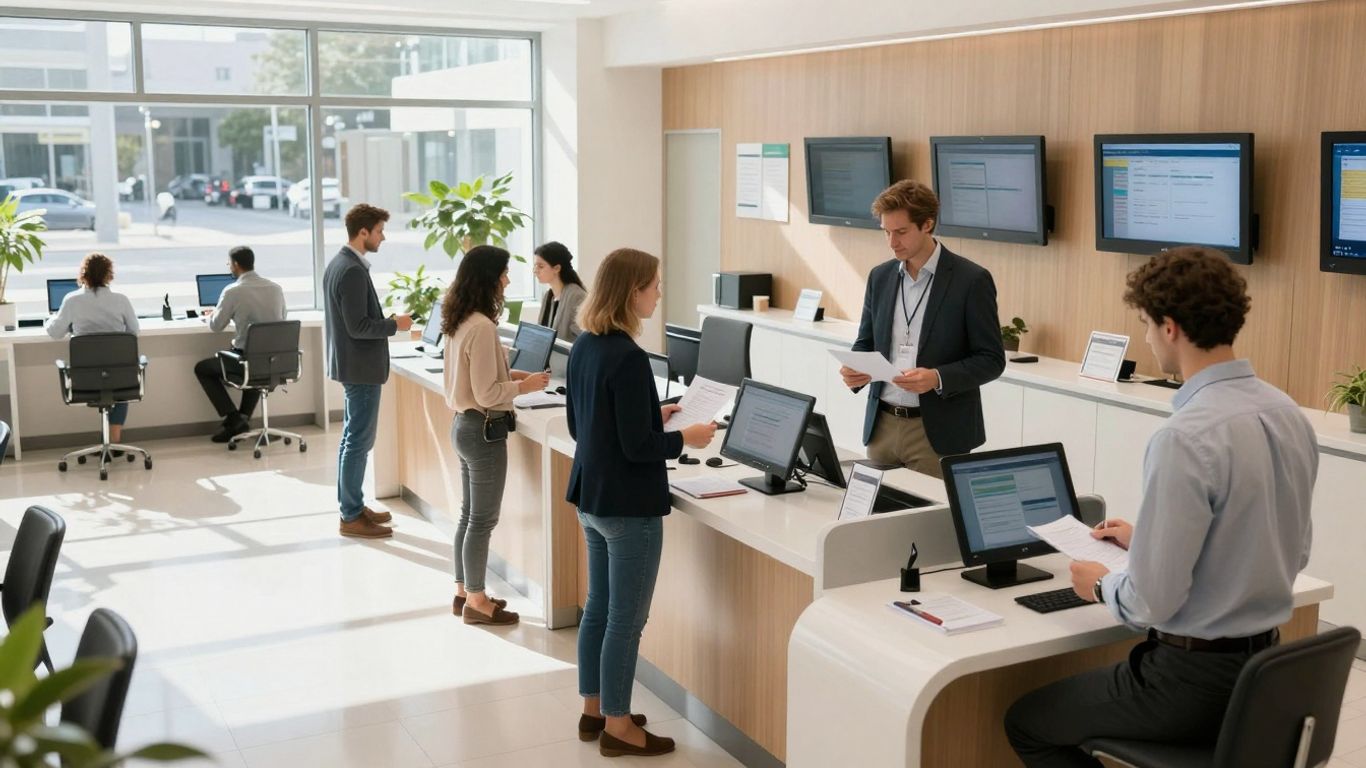
It’s not always straightforward getting your banking sorted in Germany, and a few common hurdles pop up for people, especially when they first arrive. Don't worry though, most of these are pretty manageable if you know what to expect.
Avoiding Mistakes During Account Opening
One of the most frequent slip-ups is trying to open an account before you've got your address registration, your Anmeldung, sorted. This document is pretty much non-negotiable for most banks. Another common error is picking a bank that doesn't offer English support if you're not yet fluent in German. This can make the whole process, and subsequent banking, quite frustrating. Also, underestimating how long it actually takes from applying to having full access to your account can lead to issues, especially if you need to pay rent or receive a salary quickly. Most banks will need at least two weeks, sometimes longer, to get everything set up.
Overcoming Bureaucratic Hurdles
German bureaucracy can feel a bit intense at times. You'll often find yourself needing specific documents you didn't even know existed. The key is to be organised. Keep copies of everything, and don't be afraid to ask for clarification if something doesn't make sense. Sometimes, a simple phone call or a visit to a branch can clear up confusion much faster than trying to decipher official letters. For those dealing with complex financial matters, understanding the rising importance of non-bank financial intermediaries (NBFIs) might become relevant [a3f0].
Dealing with Language Barriers
If German isn't your first language, this can be a significant challenge. While many banks are improving their English services, it's not universal. Some traditional banks might have limited English-speaking staff, especially outside major cities. Online banks often fare better here, with apps and websites usually available in English. If you're struggling, consider bringing a German-speaking friend or colleague along to appointments, or look for banks that specifically advertise multilingual support. Some banks are also focusing on combating money laundering and terrorist financing, which can add another layer of complexity if you're not familiar with the terminology [fe05].
Understanding Processing Delays
As mentioned, things can take time. Opening an account isn't usually instant. Verification processes, sending out cards and PINs, and activating online banking all add to the timeline. It’s wise to start the process as soon as you have your Anmeldung. If you need immediate access to funds, consider opening an account with a digital-only bank first, as they often have a much quicker setup time. You can always switch or open a second account with a traditional bank later.
Seeking Relocation Support Services
Many relocation services offer assistance with banking as part of their package. These services can be incredibly helpful, especially if you're feeling overwhelmed by the administrative side of moving to Germany. They can help you gather the right documents, understand the application forms, and even liaise with the banks on your behalf. It's an investment that can save you a lot of stress and time.
Choosing Between Online and Traditional Banks Initially
For many newcomers, the quickest way to get a functional bank account is often through an online bank. They typically have simpler application processes and faster activation times, making them ideal for immediate needs like paying rent or setting up direct debits. However, if you anticipate needing more complex services, like specific investment advice or a wider range of loan products, a traditional bank with a physical branch network might be a better long-term choice. You don't have to commit to just one; many people have accounts with both types of institutions.
Understanding Key German Banking Terminology
Right then, let's get down to the nitty-gritty of German banking terms. It can feel a bit like learning a new language, can't it? But honestly, once you get a handle on a few key phrases, things become a whole lot less confusing. It’s not rocket science, just a few words that pop up all the time.
Essential German Banking Vocabulary
To get you started, here's a quick rundown of some words you'll see a lot. Knowing these will make dealing with your bank much easier.
- Konto: This is the most basic one – it simply means 'account'. You'll have a Girokonto for everyday use, which is your main current account.
- Geldautomat: You'll spot these everywhere. It's the German word for an ATM, or cash machine.
- Unterschrift: Means 'signature'. You'll need this for various forms and contracts.
- Zinsen: This refers to 'interest'. It's what you might earn on savings or pay on loans.
- Dauerauftrag: This is a standing order. You set it up to pay a fixed amount regularly, like rent.
- IBAN: Stands for International Bank Account Number. You'll need this for pretty much any money transfer, especially outside of Germany. It's a long string of letters and numbers that uniquely identifies your account. You can find out more about payment processing if you're curious.
Definition of Konto (Account)
As mentioned, 'Konto' is the German word for account. When you open a bank account in Germany, you'll most commonly be looking for a 'Girokonto'. This is your primary transaction account, used for receiving your salary, paying bills, and everyday spending. Some banks might also offer 'Sparkonto' (savings account) or 'Tagesgeldkonto' (a type of instant access savings account).
Understanding Geldautomat (ATM)
'Geldautomat' is the German term for an ATM. Most banks have their own networks, and you'll find them in city centres, supermarkets, and train stations. It's worth checking your bank's policy on using ATMs from other banks, as some might charge fees.
Meaning of Zinsen (Interest)
'Zinsen' translates to interest. In Germany, interest rates on current accounts are often very low, sometimes even negative. You're more likely to see competitive interest rates on savings accounts or fixed-term deposits. If you take out a loan or use an overdraft, you'll also be paying interest.
Explaining Dauerauftrag (Standing Order)
A 'Dauerauftrag' is a standing order. This is a really useful tool for regular, fixed payments. Think of your monthly rent, gym membership, or subscriptions. You set it up once with your bank, and the money is transferred automatically on a specific date each month. It's different from a direct debit, where the amount can vary.
The Significance of IBAN
Your IBAN, or International Bank Account Number, is a standardised international format for bank account details. It's crucial for any cross-border payments within Europe and beyond. It includes your country code, a bank identifier, and your national account number, all combined into one long code. You'll need to provide your IBAN when someone needs to pay you, and you'll need the recipient's IBAN to send money.
Offshore Banking Services in Germany
While Germany is known for its robust domestic banking system, it also provides options for those looking into offshore banking. This isn't typically for the average resident or small business, but it's good to know the services are available.
Availability of Offshore Banking
Germany does offer offshore banking, though it's not as widely advertised as standard accounts. These services are generally aimed at individuals and businesses with significant international financial dealings or those seeking specific tax advantages and asset protection. It's a more specialised area, so you won't find it on every bank's main brochure.
Major Banks Offering Offshore Accounts
Some of the larger, more established German banks do provide offshore banking facilities. Think of the big names like Deutsche Bank and Commerzbank. They have the international reach and infrastructure to manage these kinds of accounts. These banks often have dedicated departments or private banking arms that handle offshore clients.
Specific Needs for Offshore Clients
Clients looking for offshore services usually have distinct requirements. This could include:
- Asset diversification: Spreading wealth across different jurisdictions.
- Tax planning: Structuring finances to comply with international tax laws.
- Privacy and confidentiality: Maintaining a higher degree of discretion.
- Access to international markets: Facilitating investments and transactions globally.
- Estate planning: Organising assets for future generations.
Regulatory Considerations
Operating offshore comes with its own set of rules. German banks offering these services must adhere to strict regulations, both domestically and internationally. This includes compliance with anti-money laundering (AML) laws and know-your-customer (KYC) procedures. The regulatory landscape is complex and constantly evolving. It means that while you get a service, it's all done within a legal framework.
Services for High-Net-Worth Individuals
Offshore banking in Germany is predominantly geared towards high-net-worth individuals (HNWIs) and large corporations. The services often include:
- Private banking
- Wealth management
- Investment advisory
- International trust services
- Currency exchange and management
International Financial Planning
For those with substantial international assets or business interests, offshore accounts can be a component of a broader international financial plan. This might involve coordinating accounts in multiple countries, managing foreign exchange risks, and ensuring compliance with tax obligations across different tax authorities. It's a sophisticated area that usually requires professional advice from financial planners and tax advisors who specialise in international matters.
The Importance of Address Registration
Right after you arrive in Germany, one of the very first things you absolutely must do is register your address. This process, known as 'Anmeldung', is not just a bureaucratic formality; it's a fundamental requirement for pretty much everything that follows, especially when it comes to banking. Without this official confirmation of where you live, opening a bank account becomes incredibly difficult, if not impossible. Banks need this registration to verify your legal status and to comply with German financial regulations. It's the bedrock upon which your financial life in Germany will be built.
Mandatory Address Registration (Anmeldung)
So, what exactly is this 'Anmeldung'? It's the official registration of your residential address with the local authorities, usually at the Bürgeramt (Citizens' Office). You're legally required to do this within 14 days of moving into your new home. Think of it as your official 'hello' to the German system. This registration generates a certificate, the 'Anmeldebescheinigung', which is your golden ticket for many subsequent administrative tasks. It confirms you are a resident and provides the necessary details for official correspondence. This document is non-negotiable for opening a bank account.
Impact on Bank Account Opening
Let's be clear: most German banks will not open an account for you without proof of your registered address. Why? It boils down to anti-money laundering laws and tax compliance. Banks need to know who their customers are and where they reside to fulfil their legal obligations. They use your 'Anmeldebescheinigung' to verify your identity and tax residency. Without it, they can't send you important documents, like your bank card or PIN, and they can't report your account information to the German tax authorities. It's a bit of a catch-22, but getting your address sorted first makes the banking process much smoother. You can find more information on registering your address in Berlin here.
Requirements for Temporary Accommodation
Even if you're only staying in temporary accommodation, like a short-term rental or a shared flat, you still need to register your address. The authorities need to know where you are physically located. Some cities might offer specific housing solutions that can assist with this, providing the necessary documentation even for short stays. If you're in this situation, make sure to get confirmation from your landlord or accommodation provider that you are allowed to register your address there. This is a common hurdle for newcomers, but it's manageable with the right information.
Cities Offering Specific Housing Solutions
While not every city has dedicated schemes, some German municipalities are more attuned to the needs of international arrivals. They might offer furnished apartments or have partnerships with housing providers that understand the registration requirements. These can be particularly helpful if you're struggling to find a permanent place immediately. Researching the specific city you're moving to can reveal local resources that simplify the initial accommodation and registration process. It's always worth checking the local council's website for any newcomer support.
Proof of Address Documentation
The primary document you'll receive is the 'Anmeldebescheinigung' (registration certificate). This is usually a single sheet of paper with your details and the address you've registered. It's a simple document, but it carries significant weight. Banks will typically ask for a copy of this certificate. Sometimes, they might also accept a 'Wohnungsgeberbestätigung', which is a confirmation from your landlord stating that you have moved into their property. Always check with your chosen bank beforehand about their specific requirements, but the 'Anmeldebescheinigung' is almost always the main piece of evidence they'll want.
Streamlining Relocation with Registration
Getting your address registration done promptly is key to a less stressful relocation. It unlocks the door to opening a bank account, which in turn is needed for renting a long-term apartment, setting up utilities, and often, receiving your salary. Think of it as the first domino to fall. Once that's in place, other pieces of the puzzle, like getting a German mobile phone contract or even registering your car, become much easier. It really does pay to prioritise this step as soon as you've found a place to live.
International Student Banking Needs
Specific Requirements for Students
Starting your academic journey in Germany often means sorting out your finances, and that includes opening a bank account. While many banks are open to students, some have specific requirements that differ from those for employed individuals. You might need to show proof that you're actually enrolled in a German university. This usually comes in the form of an enrollment certificate, often called a 'Studienbescheinigung'.
Proof of Enrollment Certificates
This document is your golden ticket to proving you're a bona fide student. It's issued by your university and confirms your status for the current semester or academic year. Banks use it to verify your eligibility for student-specific accounts, which often come with perks like lower fees or overdraft facilities. Make sure you have a recent copy handy when you visit a bank or start an online application. It's a standard document, so your university's student services office should be able to provide it without much fuss.
Evidence of Student Funding
Banks want to know you can manage your money, even as a student. This means showing them where your funds are coming from. It could be a scholarship confirmation, a letter from your parents stating they'll support you financially, or even a blocked account (like those offered by Fintiba or X-patrio) that demonstrates you have sufficient funds for your stay. This evidence helps banks assess your financial stability and reduces their risk. Some banks might ask for bank statements from your home country for the past few months to get a clearer picture of your financial history.
Student-Friendly Bank Accounts
Not all accounts are created equal, especially for students. Many German banks offer accounts specifically designed for students, often with reduced or waived monthly fees. For example, Berliner Sparkasse has a student account with no monthly fees for those under 26, though there's a small annual charge for the debit card. These accounts might also include features like an overdraft facility (Dispokredit), which can be a lifesaver for unexpected expenses, though it's important to use it wisely as interest rates can be high. Online banks like N26 and DKB are also popular choices because they often have English-speaking customer service and straightforward online application processes, making them quite accessible for international students. Opening a German bank account is a crucial step for managing your daily expenses and receiving any funds you might need.
Managing Finances on a Budget
Living as a student often means sticking to a budget. Understanding your bank's fee structure is key. Look out for monthly account management fees, ATM withdrawal charges (especially outside your bank's network), and fees for international transactions. Many online banks, like N26, boast no monthly fees and free ATM withdrawals within Germany, which can save you a good amount over time. It's also worth checking if your bank offers any student discounts or special offers. Keeping track of your spending through your bank's app or online portal is also a good habit to get into.
International Student Support Services
Some banks go the extra mile to support international students. This can include providing account information and customer service in English, offering guidance on German banking practices, or even having specific departments that deal with international students' needs. When choosing a bank, consider how much support you might need. If you're not confident with German, opting for a bank with strong English support, like Commerzbank or many of the online providers, can make a big difference. Don't hesitate to ask potential banks about their services for international students before you commit.
It's really important to get your banking sorted early on. Trying to do everything at the last minute, especially when you're dealing with a new country and language, can add a lot of stress. A well-chosen bank account will make paying rent, getting your student loan, or just buying groceries so much easier. Plus, having a German bank account is often needed for other administrative tasks, like getting your tax ID number.
Utilising Online Payment Systems
Germany's move towards digital transactions means understanding online payment systems is pretty important. While cash still has its place, especially in smaller shops or cafes, most online purchases and many everyday transactions can be handled digitally. It's all about making things quicker and, often, more secure.
Overview of German Online Payment Methods
When you're shopping online in Germany, you'll come across a few common ways to pay. These systems are designed to be straightforward, linking directly to your bank account or using secure payment gateways. It's a good idea to familiarise yourself with them to make your online shopping experience smoother.
Giropay Functionality
Giropay is a popular online payment method in Germany that works directly through your bank's online banking system. When you choose Giropay at checkout, you'll be redirected to your bank's secure login page. After logging in, you can authorise the payment using your usual online banking credentials and a transaction number (TAN). It's quite convenient because it uses the familiar interface of your own bank, and the payment is usually confirmed immediately. This means merchants can often dispatch your goods faster.
Paydirekt Integration
Paydirekt is another secure payment system that's directly linked to German banks. Think of it as a direct debit system, but with an added layer of security and convenience. When you use Paydirekt, the money goes straight from your bank account to the seller's account. The key difference from a standard direct debit is that Paydirekt guarantees the security of your data – they don't share it with third parties, and your payment is protected. Many German banks offer Paydirekt as an option within their online banking portals.
Secure Online Transactions
Security is a big deal with online payments, and German banks take it seriously. Most systems use multi-factor authentication. This often involves using a Transaction Authentication Number (TAN) which you receive via SMS or generate through a banking app. This extra step helps to confirm that it's really you making the payment and not someone else using your details. It's a bit like having a second key to your digital front door.
Linking Bank Accounts for Payments
Many online services and apps allow you to link your German bank account directly. This is often done through secure protocols like Open Banking, which allows third-party providers to access your banking information with your explicit consent. This makes paying for subscriptions or making regular payments much simpler, as you don't need to manually enter your details each time. You'll typically authorise the link once, and then the service can draw funds as needed, often with clear notifications to you.
Mobile Payment Solutions
Beyond the standard online payment systems, mobile payments are also gaining traction. Services like Apple Pay and Google Pay can be linked to your German debit or credit card. This allows you to make contactless payments in shops using your smartphone or smartwatch. For online purchases, some apps and websites also support these mobile wallets, offering a quick and secure way to complete a transaction without needing to enter card details.
While Germany has embraced digital payments, it's worth remembering that not every small business or market stall will accept card payments. Always have a bit of cash on hand, just in case. It’s a good habit to get into, especially when you’re first getting used to the system.
Making payments online is now super easy. You can use different systems to pay for things quickly and safely. These systems help you manage your money without any fuss. Want to learn more about how these online payment tools can help you? Visit our website today to find out!
Wrapping Up Your German Banking Journey
So, that’s a look at getting your finances sorted in Germany. It might seem like a lot at first, especially with all the paperwork and different bank types. But honestly, once you get past the initial setup, it’s pretty straightforward. Whether you go for a slick online bank or a more traditional branch, the key is just to pick one that works for you and get it done. Having your account sorted means you can focus on the more exciting parts of living or working here. Don't let the banking side of things hold you back; take the steps, and you'll be good to go.
Frequently Asked Questions
Can someone from another country open a bank account in Germany?
Yes, absolutely! If you're not from Germany, you can still open a bank account. You'll need to show your passport or ID, proof that you've registered your address in Germany, and your visa or residency permit if you have one. Sometimes, banks might also ask for proof of your income.
Which bank is best for someone new to Germany?
Many people who have moved to Germany find N26 to be a really good choice. It has a super easy-to-use online banking system and offers customer help in English, which makes things much simpler when you're getting settled.
What do I need to get a bank account in Germany?
To open a bank account, you'll generally need your passport or ID card, proof that you've registered your address (this is called 'Anmeldung'), and your visa or residence permit if you're not an EU citizen. Some banks might also ask for proof of your earnings or employment.
Is it hard to open a bank account if I don't speak German?
It can be a bit tricky, but many banks are making it easier. Online banks like N26, Tomorrow, and Bunq are known for offering services and customer support in English. They often use video calls for ID checks, which simplifies the process for people who don't speak German fluently.
Do I need to have a German address before opening an account?
Yes, in most cases, you do. You usually need to register your address (get your 'Anmeldung') before a bank will open an account for you. This is a really important first step when you move to Germany.
How long does it usually take to open a bank account?
Once you have all your documents ready, the process can take a little while. It might be a few days to a couple of weeks before your account is fully set up and you receive your bank card and PIN in the post. Online banks can sometimes be a bit quicker.
Are credit cards common in Germany?
Not really. Germans tend to use their debit cards (Girocard) or cash much more often than credit cards. While Visa and Mastercard are accepted in many places, you'll find that some shops, especially smaller ones, prefer cash or debit card payments.
What is SEPA and why is it important?
SEPA stands for the Single Euro Payments Area. It's a system that makes it easy and often cheaper to send money in euros between different European countries. It means sending money within Europe is almost as simple as sending it within Germany.
Can I use my foreign bank card in Germany?
You might be able to use your foreign debit or credit card in some places, especially tourist spots or larger shops that accept international cards like Visa or Mastercard. However, it's not guaranteed, and you'll likely face higher fees for transactions and cash withdrawals. It's best to have a German bank account for everyday use.
What's the difference between a traditional bank and an online bank?
Traditional banks, like Deutsche Bank or Sparkasse, have physical branches where you can go in person. Online banks, such as N26 or Bunq, operate only through apps and websites. Online banks often have lower fees and are very convenient for managing your money on the go, while traditional banks might offer more personal service.
Do I need a separate account for my business in Germany?
Yes, if you're starting a business or working as a freelancer, you'll generally need a separate business bank account. This helps keep your personal and business finances organised and is often a requirement for registering your business.
What is an IBAN?
IBAN stands for International Bank Account Number. It's a unique code that identifies your bank account, especially for international money transfers. Your IBAN is crucial when sending or receiving money from abroad.