
On this page
Prices seem to be going up everywhere lately, don't they? It feels like your money just doesn't stretch as far as it used to. This is what we call inflation, and it can really eat away at the value of your savings.
If you're in Germany and wondering how to keep your hard-earned cash from losing its power, you're in the right place. We're going to look at some ways to make your money work harder, even when prices are climbing. It's all about smart choices for your investment in Germany.

Financial Advisory for Expats in Germany
In our free digital 1:1 consultation, our independent investment advisors help you develop a plan for your wealth accumulation that fits your financial goals.
Key Takeaways
- Inflation in Germany has been a growing concern, with prices rising due to various economic and global events over the last decade. This means your money buys less than it used to.
- Tangible assets like property, gold, and even art can be good ways to protect your money because their value often goes up with inflation, unlike cash.
- Real estate in Germany offers a double benefit: property values can rise, and rental income can be adjusted upwards to match inflation.
- When thinking about an inflation-proof investment in Germany, spreading your money across different types of assets, like stocks, bonds, and tangible goods, is a smart move to reduce risk.
- Holding too much cash during inflationary periods is generally a bad idea because its buying power decreases over time. It's better to invest it in assets that have a chance to grow or keep pace with rising prices.
Understanding Inflation's Impact on German Investments
The Shifting Landscape of German Inflation
Germany's inflation story over the past decade has been quite a ride. For a good few years, things were pretty calm, with prices ticking up by about 1% to 2% annually. This felt normal, and most people didn't worry too much about it. But then, things started to change. The pandemic threw a spanner in the works, messing with supply chains and leading to more money chasing fewer goods. Then, the energy crisis hit, pushing prices up even further. It felt like everything from your weekly shop to your heating bill just kept climbing. This isn't just a temporary blip; many economists think we're seeing a more structural shift in prices. It means that what you could buy with a certain amount of money a few years ago now costs significantly more.
Erosion of Purchasing Power
When prices go up faster than your income, your money doesn't stretch as far as it used to. This is what we mean by erosion of purchasing power. Imagine you're used to buying five loaves of bread with €10. If the price of bread goes up, you might only be able to buy four. Your €10 is still €10, but its value in terms of what it can get you has decreased. This hits everyone, but it's particularly tough for those on fixed incomes or with savings that aren't growing fast enough to keep pace. It means that the wealth you've built up might not be able to buy as much in the future as it can today.
Economic Factors Influencing Price Rises
So, what's behind these price rises in Germany? It's a mix of things. Global events, like the war in Ukraine, have had a big impact, especially on energy prices because Germany relies on imports. Supply chain issues, which became a big problem during the pandemic, also play a part. When it's harder and more expensive to get goods from A to B, prices tend to go up. The European Central Bank's monetary policy also influences inflation. While inflation is expected to continue decreasing, falling to 2.3% in 2025, these underlying factors can still cause fluctuations.
The interplay of global events, supply chain dynamics, and monetary policy creates a complex environment for prices. Understanding these forces is the first step towards protecting your investments.
Here's a look at some key influences:
- Energy Prices: Fluctuations in global energy markets directly affect household and business costs.
- Supply Chain Disruptions: Bottlenecks and logistical challenges can lead to shortages and higher prices for goods.
- Geopolitical Tensions: International conflicts and political instability can disrupt trade and impact commodity prices.
- Monetary Policy: Decisions by central banks on interest rates and money supply can influence the overall level of inflation. You can find more information on the expected inflation trends on the ECB's website.
These factors combined create the challenging economic climate that investors in Germany are currently facing.
Strategic Asset Allocation for Inflation-Proof Investment Germany

When thinking about protecting your money from inflation in Germany, just stuffing it under the mattress isn't going to cut it. Inflation eats away at the value of cash, meaning your savings buy less over time. That's why a smart plan for where you put your money, known as asset allocation, is so important. It's all about spreading your investments around so that if one area isn't doing so well, others can help balance things out. This approach helps to reduce overall risk while aiming for better returns.
The Role of Tangible Assets
Tangible assets are physical things you can touch, and they often hold their value, or even increase, when prices are generally going up. Think of things like property, gold, or even certain collectibles. Unlike paper money, which can lose its buying power, these physical items tend to keep pace with or outrun inflation. This makes them a solid part of any strategy aimed at keeping your wealth safe. It's about owning something real that has intrinsic worth.
Diversification Across Asset Classes
Spreading your money across different types of investments is key. Don't put all your eggs in one basket, as they say. This means looking beyond just one or two options. Consider a mix that might include:
- Real estate: Properties can provide rental income and potentially increase in value.
- Precious metals: Gold and silver have historically been seen as safe havens during uncertain economic times.
- Equities: Shares in stable companies, especially those in essential sectors, can offer growth.
- Commodities: Raw materials can sometimes perform well when inflation is high. You can explore these options for investing in Germany during inflation.
Mitigating Risk Through Fractional Ownership
Sometimes, really good investments, like a piece of art or a prime piece of real estate, are out of reach for most people because they cost so much. Fractional ownership changes that. It lets you buy a small piece of a larger, high-value asset. This means you can get exposure to things that are typically inflation-resistant without needing a huge amount of cash upfront. It's a way to diversify into assets that were once only for the super-rich, spreading your risk across a wider range of valuable items. This strategy is part of a broader plan for long-term capital growth.
In times of rising prices, holding too much cash is a losing game. Your money simply buys less and less. A well-thought-out investment plan that includes a variety of assets is the best defence against this erosion of your savings. It's about making your money work harder for you, not just sitting there losing value.
Real Estate as a Cornerstone of Inflation Protection
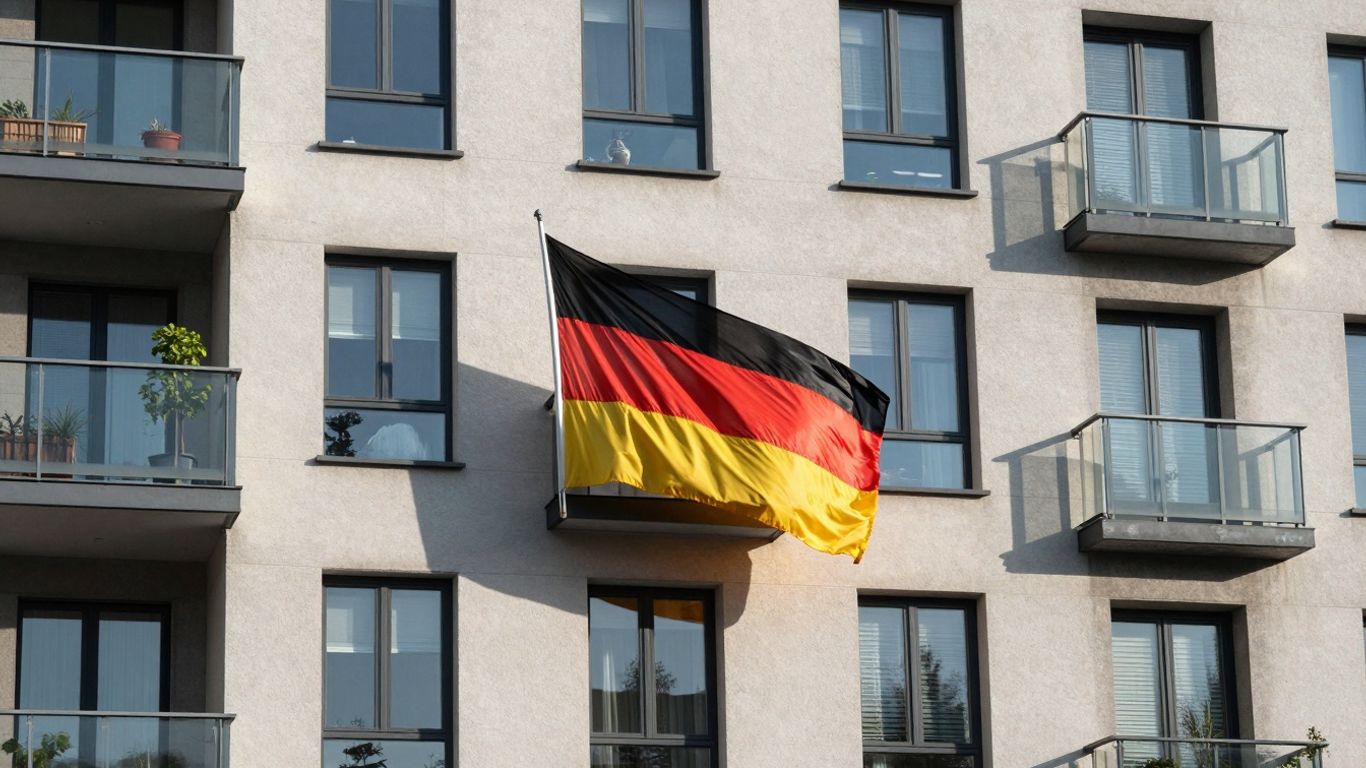
When thinking about protecting your money from inflation in Germany, real estate often comes up. It’s seen as a solid, tangible asset, sometimes called 'concrete gold'. This isn't just talk; there's a good reason for it. Unlike cash, which can lose its buying power over time, a physical property generally holds its value, and often increases.
Property Value Appreciation and Inflation
Property prices in Germany have historically shown a tendency to rise, especially over the long term. While there can be ups and downs, as we've seen some fluctuations recently, the underlying trend has often outpaced inflation. For instance, in 2021, property values saw a significant jump. Even in 2022, when inflation was quite high, property prices still managed to increase, albeit at a slower pace. This appreciation means that the value of your property can grow faster than the rate at which money loses its worth. This is a key reason why many consider real estate a strong hedge against rising prices. In 2025, the German real estate market is undergoing significant restructuring, with existing apartments emerging as a preferred investment, indicating a shift in market dynamics. German real estate market
Rental Income Adjustments
Beyond just the property's value, rental income is another way real estate can combat inflation. If you own a property and rent it out, you have the potential to increase your rental income. While not all rental agreements are automatically tied to inflation, many allow for rent increases at set intervals. When inflation rises, so too can your rental income, helping to maintain its real value. This is particularly effective with index-linked leases, where rent adjustments are directly tied to inflation measures. This means your income stream can keep pace with, or even exceed, the rising cost of living.
Leveraging Fixed-Rate Mortgages
One of the most compelling aspects of real estate as an inflation hedge is the benefit of fixed-rate mortgages. If you've taken out a mortgage with a fixed interest rate, say for 10, 20, or even 30 years, you're in a favourable position during inflationary periods. The amount you owe remains the same, but the value of the money you use to pay it back decreases. This effectively means your debt is being eroded by inflation. Meanwhile, your income from rent, as mentioned, can rise with inflation. This combination of a fixed debt payment and rising income can significantly improve your financial position over time.
Owning property with a fixed-rate mortgage during inflation means your debt becomes cheaper to repay over time, while your income from the property can increase to match rising costs. This dual effect makes it a powerful tool for wealth preservation.
Exploring Alternative Inflation-Resistant Investments
When thinking about protecting your money from inflation, it's easy to get stuck on the usual suspects like property or stocks. But there's a whole world of other options out there that can act as a good hedge. These aren't always the first things people consider, but they've got a long history of holding their value, sometimes even increasing it, when prices generally go up.
Gold and Precious Metals as Stores of Value
Gold has been seen as a safe haven for centuries, and for good reason. It tends to hold its value when other assets are struggling. Think of it like this: when the value of money starts to drop, the price of gold often goes up. It's not always a straight line, though. Gold performs best as an inflation hedge when interest rates are low. If interest rates are high, you might be better off putting your money in a savings account that actually pays you interest, rather than holding onto gold that doesn't generate any income itself. It's a bit of a balancing act.
Commodities: A Primal Hedge Against Inflation
Commodities are basically raw materials – things like oil, metals, and agricultural products. When inflation hits, the cost of producing goods goes up, and that often means the price of these raw materials rises too. Investing in commodities can be a way to benefit from these price increases. However, it's not as simple as just buying a barrel of oil. You'd typically invest through funds or futures contracts. These markets can be quite volatile, so it's important to understand the risks involved. It's a bit like betting on the price of things that make up everything else.
The Potential of Art and Collectibles
This might sound a bit more niche, but art, rare coins, vintage watches, or even certain types of wine can also be good inflation hedges. Their value isn't tied to the same economic cycles as stocks or bonds. Instead, their prices are often driven by scarcity and demand from collectors. The key here is rarity and desirability. If something is unique and people really want it, its price can climb, regardless of whether inflation is high or low. Fractional ownership is making these kinds of assets more accessible, allowing you to invest in a piece of a valuable item without needing a fortune. It's a way to diversify into things that are, well, just plain cool and potentially valuable. You can explore how these fit into a broader strategy by looking at alternative investments.
While tangible assets like art and precious metals can offer protection, it's vital to remember that they often don't generate regular income like rental properties or dividend-paying stocks. Their value appreciation is the primary driver of returns, which can be unpredictable. Thorough research into the specific item or market is always recommended.
Equities and Funds for Long-Term Wealth Preservation

When thinking about protecting your savings from inflation, the stock market might seem a bit risky, especially with all the ups and downs. However, over the long haul, shares and investment funds can be a really solid way to keep your money growing faster than prices are rising. It's not about chasing quick wins; it's about building wealth steadily.
Selecting Resilient Sectors for Investment
Not all companies are created equal when inflation starts biting. Some sectors are just better equipped to handle rising costs and changing consumer habits. Think about companies that provide things people need no matter what, like healthcare or essential utilities. These businesses often have more power to pass on increased costs to their customers, meaning their profits don't get squeezed as much. Technology can also be a good bet, especially companies developing innovative solutions that become indispensable. Focusing on businesses with strong pricing power and consistent demand is key.
Exchange-Traded Funds for Broad Market Exposure
If picking individual stocks feels a bit daunting, Exchange-Traded Funds (ETFs) are a fantastic alternative. These funds hold a basket of many different stocks, often tracking a whole market index. This means you get instant diversification, spreading your risk across dozens or even hundreds of companies. For example, an ETF that follows a broad German or international index gives you exposure to a wide range of businesses. This approach helps smooth out the performance of any single company and can be a more straightforward way to invest in shares or securities for the long term.
Avoiding Companies Vulnerable to Price Increases
On the flip side, some companies struggle more during inflationary periods. Businesses that rely heavily on raw materials with volatile prices, or those selling non-essential luxury goods, can find their profit margins shrinking. If a company can't easily raise its prices to cover its own rising costs, its earnings will suffer. It's wise to look closely at a company's financial health and its ability to manage costs before investing. Understanding a company's business model and its position in the market is really important here.
Holding too much cash during inflationary times is generally not a good idea. While it feels safe, its purchasing power steadily erodes as prices go up. Investing in assets that have the potential to grow faster than inflation is a more effective strategy for preserving your wealth.
Key Principles for Successful Inflation-Proof Investment Germany
When thinking about protecting your money from inflation in Germany, it's not just about picking the right assets. It's also about how you approach investing overall. A bit like planning a big trip, you need a strategy, not just a destination.
The Importance of a Forward-Looking Strategy
Trying to guess what the economy will do next is tough, right? But with inflation, it's more about preparing for what's likely to happen. This means looking ahead and not just reacting to today's news. Think about what kinds of things tend to hold their value when prices are going up. It's about building a plan that can handle different economic conditions over time. A good strategy considers the long haul, not just the next few months. It's about making smart choices now that pay off later, especially when the cost of living is climbing.
Avoiding Cash Holdings During Inflationary Periods
Honestly, keeping large amounts of cash in a savings account during times of high inflation is usually not the best move. Why? Because the money you have just doesn't buy as much as it used to. Interest rates on basic accounts often don't keep up with rising prices. So, while your money might seem safe, its actual buying power is shrinking. It's like watching your purchasing power slowly drain away. Instead, consider putting that money to work in assets that have a better chance of growing faster than inflation. This is where looking into things like tangible assets or diversified funds becomes important. Remember, the European Central Bank's financial stability reviews often discuss factors that could impact markets, so staying informed is key potential triggers for debt repricing.
Seeking Professional Financial Guidance
Navigating the world of investments, especially when inflation is a concern, can feel a bit overwhelming. There are so many options, and what works for one person might not be right for another. That's where getting some advice from a qualified financial advisor can make a real difference. They can help you understand your personal financial situation, your goals, and then suggest investment strategies tailored to you. They can also help you avoid common mistakes, like putting too much money into one type of investment or panicking during market dips. Think of them as a guide who can help you make sense of it all and build a solid plan for your financial future. They can also help you understand how different asset classes might perform under various inflation scenarios.
Here's a quick look at why cash can lose value:
- No Return: Cash typically earns very little interest, if any.
- Erosion of Value: Inflation means each euro buys less over time.
- Missed Opportunities: Money sitting idle isn't growing to outpace rising costs.
Worried about your money losing value due to rising prices in Germany? We've got you covered. Learn simple ways to keep your investments strong, even when the cost of living goes up. Discover smart money moves that work. Visit our website today to find out more!
Looking Ahead: Protecting Your Wealth in Changing Times
So, we've seen how inflation in Germany over the last decade has really changed things, making it tougher for our money to keep its value. It's not just about prices going up; it's about our savings buying less. But the good news is, we're not powerless. By looking at things like property, gold, or even spreading our investments across different areas like shares and ETFs, we can build a stronger defence. It’s about being smart with our money, thinking long-term, and not just letting it sit there losing value. Making informed choices now can really make a difference down the line.
Frequently Asked Questions
What exactly is inflation and why should I worry about it?
Inflation is basically when prices for everyday things go up over time. Think about how a loaf of bread might cost more this year than last year. When prices rise, the money you have buys less than it used to. This means your savings lose their buying power, which is why people call it 'erosion of purchasing power'.
Is keeping money in a savings account a good idea when prices are rising?
Generally, no. Savings accounts usually give you very little interest, often not enough to keep up with how fast prices are increasing. So, while your money is safe in the bank, it's actually worth less in terms of what you can buy with it over time. It's better to put your money into things that have a chance to grow faster than inflation.
What are 'tangible assets' and how do they help with inflation?
Tangible assets are physical things you can touch, like property, gold, or even art. Unlike money, which can lose value, these items often hold their value or even increase in price when inflation is high. Because they are real things that people need or want, their value tends to stay strong.
How does owning property help protect against rising prices?
Real estate can be a great way to fight inflation. When prices go up, the value of your property often goes up too. Plus, if you rent it out, you can usually increase the rent over time to match the rising costs. It's also good if you have a mortgage with a fixed interest rate, as the value of your debt decreases over time compared to your rising income or property value.
Are stocks and shares a good option for protecting my money?
Yes, especially shares in companies that are strong and provide things people always need, like food or healthcare. These companies can often raise their prices when costs go up, so they can keep making profits. Investing in a mix of different companies through funds or ETFs can also spread your risk and offer good long-term growth.
What's the most important thing to remember when investing to beat inflation?
The key is to not just keep your money sitting around doing nothing. You need a plan for your money and to invest it wisely. Spreading your money across different types of investments, like property, stocks, and maybe some gold, is really important. This way, if one type of investment doesn't do well, the others might still be growing, helping to protect your overall wealth.