
On this page
Germany, Europe's economic powerhouse, presents a stable and appealing environment for foreign investors. With a strong financial system and a reputation for security, it's a place many look to grow their money.
However, for those new to the German market, understanding the landscape and the steps involved can feel a bit daunting.
This guide aims to break down how to invest in Germany as a foreigner, covering everything from setting up the basics to exploring different investment options and understanding the tax implications. We'll keep things straightforward, so you can make informed decisions about your financial future in Germany.

Financial Advisory for Expats in Germany
In our free digital 1:1 consultation, our independent investment advisors help you develop a plan for your wealth accumulation that fits your financial goals.
Key Takeaways
- Get your paperwork sorted: Open a German bank account and get your tax ID to access investment products.
- Stick to authorised providers: Always use banks and brokers approved by BaFin to keep your money safe.
- Start simple and spread your money: Begin with savings plans or ETFs and invest in different things to lower risk.
- Know your taxes: Understand the 25% flat investment tax and use the 1,000 EUR allowance to save money.
- Transfer money smartly: Use services like Wise for cheaper international transfers with fair exchange rates.
- Only invest what you can afford to lose: Never put money into investments that you might need for daily living.
- Don't borrow to invest: Using loans for investments can increase losses as well as gains.
- Seek advice when needed: Tax rules and cross-border issues can be complex; a good advisor can help.
Understanding The German Investment Landscape
Germany, as Europe's largest economy, presents a compelling case for international investors. Its reputation for stability, backed by a strong financial system and a AAA credit rating, makes it an attractive destination for growing capital. The country's economic might is evident in its significant contribution to the Eurozone's GDP and its position as a global export leader. For those looking to invest, Germany offers a diverse landscape, from established industrial giants to a vibrant startup scene, all supported by reliable infrastructure and a well-defined regulatory environment. The euro's popularity is on the rise, with positive indicators for 2026. A significant trend is the growing demand from foreign investors for euro area bonds, with net inflows observed since April 2025.
Germany's Economic Stability And Appeal For Investors
Germany's economic standing is a major draw. It's not just about size; it's about resilience. The nation has a history of weathering economic storms better than many others, which translates into a sense of security for investors. This stability is underpinned by a robust financial sector and a commitment to sound economic policies. When you consider investing here, you're looking at a market that's generally predictable, offering a solid foundation for long-term growth. The German government anticipates an increase in spending exceeding €80 billion for 2026, representing 1.8% of GDP, indicating a strategic focus on growth and development within the German economy.
Key Considerations For Foreign Investors In Germany
As a foreign investor, getting started in Germany involves a few specific steps. You'll need to sort out local banking and tax identification, which are pretty standard but have their own processes. It's also wise to stick with providers that are authorised by BaFin, the financial regulator. This is your main protection against dodgy dealings. Think about starting small, perhaps with savings plans or ETFs, and spreading your money around different types of investments to reduce risk. Don't forget about taxes; Germany has a flat rate on investment income, but there's an annual allowance that can help reduce your tax bill. Also, when moving money internationally, using services that offer transparent fees and good exchange rates can make a big difference.
Navigating Bureaucracy And Regulatory Frameworks
Let's be honest, German bureaucracy can feel like a maze sometimes. There's a lot of paperwork involved, and the tax details might not be what you're used to back home. If you're new to investing, it can seem a bit overwhelming. However, the regulatory framework is designed to protect investors. It's important to familiarise yourself with these rules, or better yet, seek advice from a qualified professional. Always check that any financial advisor or institution you deal with is properly authorised by BaFin. They maintain public registers, which are easy to check online.
The Role Of The German Mittelstand In Investment
The 'Mittelstand' is a term you'll hear a lot when talking about the German economy. These are typically small to medium-sized businesses, often family-owned, that form the backbone of the country's industrial strength. Many Mittelstand companies are global leaders in their niche markets, known for innovation and quality. Investing in these businesses, either directly or through specialised funds, can offer unique opportunities. They represent a significant part of Germany's economic success story and are often seen as stable, long-term investments.
Understanding Germany's Financial System
Germany's financial system is known for its stability and strong regulatory oversight. The Deutsche Bundesbank plays a key role, alongside BaFin, in maintaining financial market integrity. You'll find a mix of large universal banks, specialised financial institutions, and a growing number of fintech companies. For investors, this means a range of options, from traditional savings accounts and insurance products to modern investment funds and digital platforms. Understanding how these different parts of the system work together is key to making informed investment decisions.
Economic Growth Forecasts And Investor Confidence
After a period of slower growth, economic forecasts for Germany are looking more positive. Projections suggest a modest recovery, with expected growth in the coming years. This improved outlook generally boosts investor confidence. When the economy is expected to grow, businesses tend to perform better, which can lead to better returns on investments. Of course, economic forecasts are not guarantees, but they do provide a general direction of travel for the market.
The Importance Of Local Market Research
Jumping into any investment market without doing your homework is a risky move. For Germany, this means understanding not just the big economic picture but also the specifics of the sectors you're interested in. What are the current trends? What are the potential challenges? Researching local market conditions, consumer behaviour, and industry-specific regulations will help you make more sensible choices and avoid common mistakes. It's about understanding the nuances that make the German market tick.
Leveraging Germany's Strong Infrastructure
Germany's well-developed infrastructure is a significant advantage for investors. This includes excellent transportation networks (roads, rail, and air), reliable energy supply, and widespread digital connectivity. This robust infrastructure supports business operations, facilitates trade, and generally makes it easier to conduct business and manage investments within the country. It's a practical, tangible asset that contributes to the overall stability and efficiency of the German economic environment.
Essential Steps For Foreign Investors
Getting your finances in order before you start investing in Germany is pretty important. It's not just about picking the right stocks or funds; there are some practical bits and pieces to sort out first. Think of it like preparing your ingredients before you start cooking – you wouldn't just throw everything into a pan, would you?
Opening A Local German Bank Account
This is often one of the first things people need to do. Having a German bank account makes a lot of transactions much simpler, especially when you're dealing with local institutions or trying to set up direct debits for investments. It can also be a requirement for other steps, like getting a tax ID.
- Proof of Identity: You'll usually need your passport or national ID card.
- Proof of Address: A utility bill or official letter showing your German address is typically required.
- Residency Status: Depending on the bank, you might need to show proof of your residency status in Germany.
Some banks might have slightly different requirements, so it's always a good idea to check their website or give them a call before you visit. Many banks now offer online account opening, which can be quite convenient.
Securing Your German Tax Identification Number
Your tax ID, or Steueridentifikationsnummer, is a unique number assigned to you by the German tax authorities. You'll need this for many financial dealings in Germany, including opening certain investment accounts and for tax purposes. You usually get this automatically after registering your address, but if not, you'll need to apply for it at your local tax office (Finanzamt).
Choosing A Reputable Investment Platform
With your bank account and tax ID sorted, you can look at where you'll actually make your investments. There are many platforms available, from traditional banks with investment arms to dedicated online brokers. It's worth comparing them based on:
- Fees: What are the transaction costs, account management fees, and any other charges?
- Investment Options: Do they offer the types of investments you're interested in (stocks, ETFs, funds, etc.)?
- User Experience: Is the platform easy to use and understand?
- Customer Support: What kind of help is available if you run into issues?
Some platforms might be better suited for beginners, while others cater to more experienced investors. For those looking to invest smaller amounts, there are options like investing 1000 euros.
Understanding Account Opening Requirements
Each investment platform will have its own specific requirements for opening an account. This often involves filling out detailed application forms, providing identification documents, and sometimes answering questions about your investment knowledge and experience. They need to do this to comply with regulations, like 'Know Your Customer' (KYC) rules.
The Significance Of A German Address
Having a registered address in Germany is often a key requirement for opening bank accounts and investment accounts. It's not just about receiving mail; it's a fundamental part of the regulatory framework that financial institutions operate within. Without a verifiable German address, you might find it difficult to proceed with many financial steps.
Navigating Digital Banking Options
Germany has seen a rise in digital banks and online-only financial services. These can sometimes offer more competitive rates or lower fees compared to traditional high-street banks. They often have slick apps and online interfaces, making managing your money and investments quite straightforward. However, it's important to check that they are regulated by BaFin (the German Federal Financial Supervisory Authority) and offer the same level of deposit protection as traditional banks.
Initial Capital Requirements For Investment
How much money do you need to start investing? Well, it varies a lot. Some platforms might have minimum deposit requirements, while others let you start with very small amounts. For example, you can often buy fractional shares or invest in certain ETFs with just a few euros. It's good to have a clear idea of your budget before you begin.
It's generally advised to only invest money you can afford to lose. Starting with a smaller amount allows you to get comfortable with the process without putting too much financial pressure on yourself.
Setting Up Your Investment Profile
When you open an investment account, you'll usually be asked to complete an investment profile. This helps the platform understand your financial goals, your tolerance for risk, and your investment horizon. Be honest with your answers, as this information is used to recommend suitable investments and to ensure you're not taking on more risk than you're comfortable with. It's a regulatory requirement for them to assess your suitability.
Exploring Diverse Investment Opportunities
Germany's economy, the largest in Europe, presents a stable and attractive environment for those looking to grow their capital. With a strong financial system and reliable infrastructure, the country offers a variety of avenues for investment, catering to different risk appetites and financial goals. Whether you're a seasoned investor or just starting out, understanding these options is key to making informed decisions.
Investment In German Savings Accounts
Savings accounts remain a popular choice for many in Germany, offering a secure place to keep funds accessible. These accounts, often referred to as 'Tagesgeldkonto' (instant-access savings accounts) or 'Festgeldkonto' (fixed-term deposit accounts), provide a straightforward way to earn interest on your money. While interest rates can vary between providers, they offer a low-risk option for preserving capital. The German deposit protection scheme safeguards funds up to €100,000 per person, per bank, offering peace of mind.
Real Estate Investment Potential In Germany
Germany is recognised as a prime location for property investment in 2026. The market is known for its stability, and importantly, there are no restrictions on foreign ownership, making it an accessible option for international buyers. Properties in major German cities can yield between 3% and 6% in rental income. However, it's important to factor in additional costs such as property management fees, legal expenses, and potential periods of vacancy. For those not keen on direct ownership, Real Estate Investment Trusts (REITs) offer a more liquid way to invest in property.
Investing In German Business Ventures
Beyond traditional financial products, Germany offers opportunities to invest directly in its robust business sector. This can range from investing in established 'Mittelstand' companies – the backbone of the German economy, often family-owned and highly specialised – to supporting innovative startups. Such investments can offer higher potential returns but typically come with greater risk and require thorough due diligence. Understanding the specific industry and the company's financial health is paramount.
Understanding Investment Funds And ETFs
For those seeking diversification and a more hands-off approach, investment funds and Exchange-Traded Funds (ETFs) are excellent choices. These vehicles pool money from multiple investors to buy a basket of assets, such as stocks or bonds. ETFs, in particular, are popular due to their low costs and transparency. They trade on stock exchanges like individual shares, providing flexibility. You can find funds focusing on specific sectors, regions, or investment strategies, allowing you to tailor your portfolio to your objectives. Many platforms now offer access to a wide range of European ETFs.
Pensions And Insurance Products For Security
Planning for the future is a significant aspect of financial management. Germany offers various pension and insurance products designed to provide long-term financial security. These can include voluntary private pension schemes, which often come with tax advantages, and life insurance policies that combine a savings element with a death benefit. These products are generally considered lower-risk and are geared towards capital preservation and steady growth over extended periods.
Alternative Assets: Gold And Collectibles
For investors looking to diversify beyond traditional stocks and bonds, alternative assets like gold and collectibles present another avenue. Gold is often seen as a safe-haven asset, particularly during times of economic uncertainty. Collectibles, such as art or rare items, can also appreciate in value, though they require specialised knowledge and carry unique risks. The appeal of these assets often lies in their potential to perform differently from conventional investments, offering a way to spread risk across your portfolio.
The Rise Of Cryptocurrency Investments
Cryptocurrencies have emerged as a notable, albeit volatile, investment class. While offering the potential for significant returns, they also carry substantial risk due to their speculative nature and regulatory uncertainty. It's important to approach cryptocurrency investments with caution, understanding the technology and the specific digital assets you are considering. Due diligence is absolutely key here.
Exploring Germany's Startup Ecosystem
Germany's startup scene is vibrant and growing, particularly in tech hubs like Berlin. Investing in startups can be highly rewarding, offering the chance to be part of innovative new ventures. However, it's also one of the riskiest forms of investment, as many startups fail. Angel investing or venture capital funds can provide access to this sector, but they typically require significant capital and a high tolerance for risk. The German economy is projected to grow, partly due to investment [e37c].
Investing In German Stocks And Shares
Buying shares is a pretty direct way to get involved in the German economy. Instead of just putting your money in a savings account, you're actually buying a small piece of a company. If that company does well, your shares can go up in value, and you might even get paid a dividend. It sounds simple enough, but like anything involving money, there's a bit more to it.
Direct Investment In German Companies
When you invest directly in German companies, you're picking specific businesses to put your money into. This means you have a lot of control over where your money goes. You can research companies you believe in, maybe ones whose products you use every day, and buy their stock. This approach can be rewarding, but it also means you carry more risk. If the company you've invested in struggles, your investment could lose value. It's a bit like betting on a specific horse in a race rather than a whole stable.
Understanding The Frankfurt Stock Exchange
The main place where German companies' shares are bought and sold is the Frankfurt Stock Exchange, or Frankfurter Wertpapierbörse. It's one of the biggest exchanges out there, so there's usually plenty of activity. Think of it as a huge marketplace where buyers and sellers meet to trade company ownership. It's where the prices of shares are set based on supply and demand. For international investors, it's the primary gateway to owning a piece of German industry. Many international stocks are expected to perform well in 2026, and Germany's market is a significant part of that picture [ac04].
Key German Stock Indices To Watch
To get a feel for how the German stock market is doing overall, people look at stock indices. The most well-known is the DAX 40, which tracks the performance of the 40 largest companies listed on the Frankfurt Stock Exchange. It's like a snapshot of the biggest players in German business. There are also other indices, like the MDAX and SDAX, which cover medium-sized and smaller companies, giving you a broader view of the market's health. Keeping an eye on these can help you understand general market trends.
Popular Shares Among German Investors
When Germans themselves are buying shares, certain companies tend to be favourites. You'll often see big names like Volkswagen, Adidas, Bayer, and BMW on people's buy lists. These are companies that many people know and trust, and they've often been around for a long time. It's common for people to invest in these well-established firms, but it's also worth remembering that even big companies can face challenges. Many expats also find it easier to invest through exchange-traded funds (ETFs) that follow indices like the DAX, which is a simpler way to get exposure to the market.
The Role Of Dividends And Capital Growth
When you own shares, there are two main ways you can make money. The first is through capital growth, which is simply when the price of your shares goes up over time. If you bought a share for €10 and it's now worth €15, you've seen €5 in capital growth. The second way is through dividends. Some companies share a portion of their profits with their shareholders, usually paid out a few times a year. These payments can provide a steady income stream from your investments. Germany's government is also investing heavily in infrastructure, which is expected to boost the market [27a3].
Managing Risk In Individual Stock Holdings
Investing in single company stocks can be exciting, but it's important to be aware of the risks. If you put all your money into just one or two companies, and one of them has a bad year, your entire investment could suffer significantly. This is why diversification is so important. Spreading your money across different companies, industries, and even countries can help cushion the blow if one investment doesn't perform as expected. Remember, it's generally advised not to invest more than you can afford to lose.
Accessing The Market Through Online Brokers
Getting started with buying German stocks is much easier now than it used to be, thanks to online brokers. These platforms allow you to buy and sell shares from your computer or phone. They often have lower fees than traditional banks, making it more affordable to trade. You'll need to open an account, provide some personal details, and then you can start making trades. It's a good idea to compare different brokers to find one that suits your needs and offers competitive pricing. Foreign stocks are also looking more attractive compared to US shares, which could mean more opportunities for international investors [33ce].
Transaction And Account Fees For Stock Trading
When you trade stocks, there are usually some costs involved. These can include transaction fees, which are charged each time you buy or sell shares. Some brokers might also charge account fees for holding your shares. It's really important to understand these costs because they can eat into your profits over time. Always check the fee structure of any broker you're considering. For example, a typical online broker might charge a few euros per trade, while some platforms might waive account fees altogether.
Investing in individual stocks requires careful research and a good understanding of the companies you're backing. It's not just about picking a name you recognise; it's about understanding their business, their market, and their potential for growth. Don't forget to consider the risks involved and how they fit with your overall financial goals.
Understanding Investment Funds And ETFs
When you're looking to invest in Germany, funds and Exchange-Traded Funds (ETFs) are really popular choices. They're a way to put your money into a big pot that's managed by professionals, who then invest it in lots of different things like company shares or bonds. It's a bit like joining forces with other investors to buy a whole basket of investments, rather than trying to pick individual winners yourself.
The Mechanics Of Investment Funds
Investment funds work by pooling money from many investors. A fund manager then takes this collective pot and invests it according to a specific strategy. This could be anything from aiming for steady income through government bonds to chasing higher growth by investing in shares of smaller companies. The risk level can vary a lot; a fund focused on safe government bonds will generally be much calmer than one that invests in lots of small, growing businesses. These funds are overseen by BaFin, Germany's financial regulator, which means they have to follow strict rules about how they operate and how they tell you about their performance.
Exchange-Traded Funds (ETFs) Explained
ETFs are a type of investment fund that's traded on stock exchanges, much like individual company shares. They're known for being low-cost and often track a specific market index, like the DAX 40 (Germany's main stock index) or the MSCI World index. Because they're passively managed (meaning they just aim to match an index rather than actively pick stocks), their fees are usually lower than traditional investment funds. They're quite easy to buy and sell, which makes them a good starting point for people new to investing.
Equity Funds For Long-Term Growth
If you're thinking about the long haul and want your money to grow over time, equity funds could be worth a look. These funds primarily invest in company shares. The idea is that as companies grow and become more profitable, the value of their shares increases, and so does the value of your investment. However, it's important to remember that the stock market can be unpredictable. Share prices can go up and down quite a bit, so equity funds can be more volatile. This means you need to be prepared to ride out the ups and downs and generally have a longer investment horizon.
Bond Funds For Stability And Income
For investors who prefer a bit more stability and are looking for a regular income stream, bond funds are often a good choice. These funds invest in bonds, which are essentially loans made to governments or corporations. When you invest in a bond fund, you're buying a piece of a portfolio of these loans. Bond funds are generally considered less risky than equity funds because the interest payments from bonds are usually more predictable. While the potential for high growth might be lower compared to equity funds, they can offer a steadier return and are often used to balance out the riskier parts of an investment portfolio.
Mixed Funds Balancing Risk And Reward
Mixed funds, sometimes called balanced funds, are designed to offer a bit of both worlds. They invest in a combination of assets, typically shares and bonds. The exact mix can vary a lot depending on the fund's specific goals. Some might be more heavily weighted towards shares for growth potential, while others might lean more towards bonds for stability. This blend aims to provide a balance between the potential for capital growth from shares and the relative safety and income from bonds. They can be a good option for investors who want diversification within a single product without having to manage separate equity and bond investments themselves.
Hedge Funds For Experienced Investors
Hedge funds are a bit different from the other types of funds we've discussed. They're generally aimed at more experienced investors, often those with a higher net worth, and they tend to be more complex and riskier. Hedge funds use a wider range of investment strategies, sometimes including short-selling or using leverage, which can amplify both gains and losses. They are often less regulated than traditional mutual funds and ETFs, and they typically come with higher fees. Because of their complexity and higher risk profile, they're usually not the first port of call for beginner investors.
Authorisation And Supervision By BaFin
It's really important to know that any investment fund offered to the public in Germany must be authorised and supervised by BaFin (the Federal Financial Supervisory Authority). This is part of the German Investment Code (KAGB). BaFin maintains a public register of approved funds, which is a great resource for checking if a particular fund is legitimate before you invest. Sticking to funds listed in this register means you're dealing with regulated providers that have to meet strict rules on transparency and protecting investors. It's a key safeguard.
Comparing Fund Performance Against Costs
When you're looking at different funds, it's not just about how much they've grown in the past. You really need to look at the costs involved, too. Fees, like management charges and transaction costs, can eat into your returns over time. A fund that looks like it's performing well might actually be less attractive if its fees are significantly higher than a similar fund with slightly lower past performance. It's worth comparing how a fund's returns stack up against its costs to make sure you're getting good value for your money. Sometimes, a slightly lower return with much lower fees can be a better long-term bet.
Navigating Property Investments In Germany
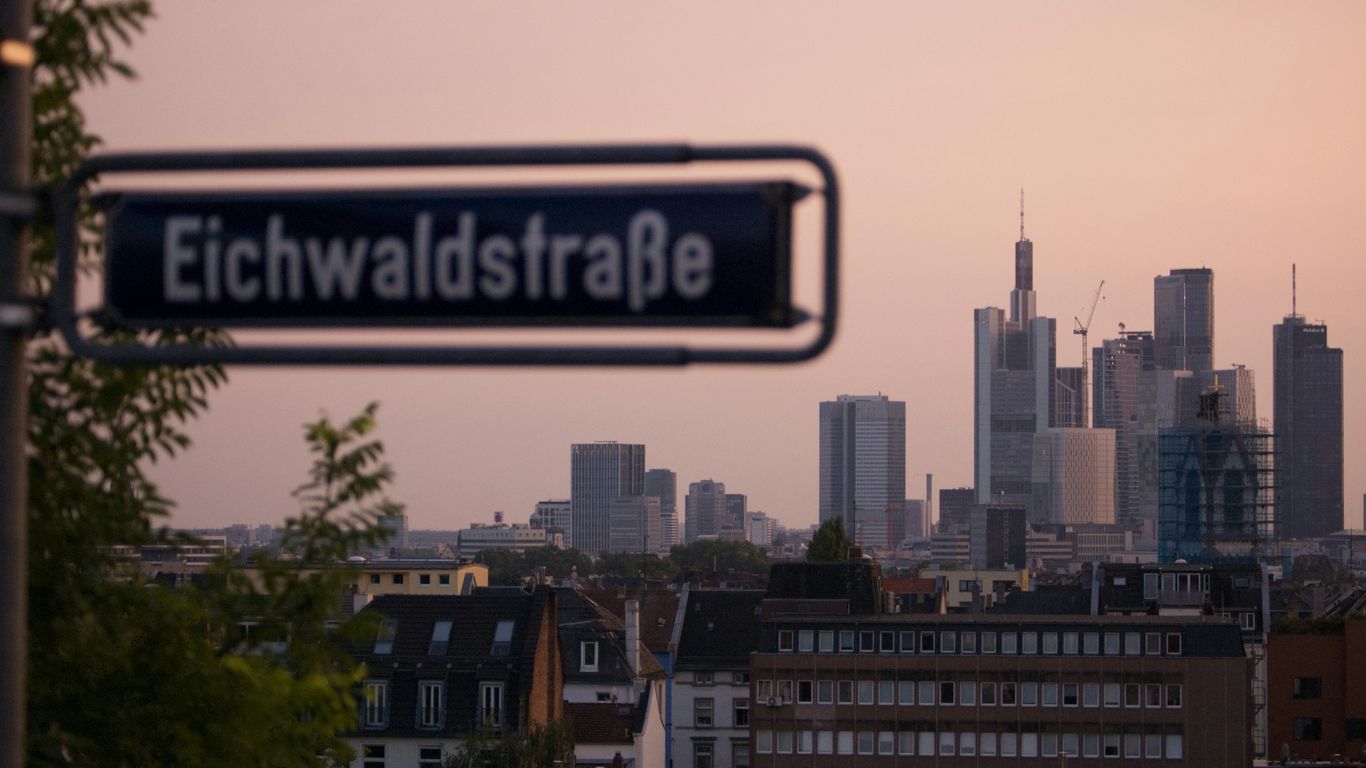
Germany's property market has a reputation for being pretty solid. It's seen as a safe bet, and the whole buying process is quite clear, which is good news if you're new to this. You don't need to be a German resident to buy property here, but getting a mortgage might be a bit trickier if you're not living in the country. Banks can be a bit more cautious with non-residents, sometimes asking for a bigger deposit or a shorter loan term. It's worth looking into mortgage options for foreign buyers early on.
The Stability Of The German Property Market
Generally speaking, Germany's property market is known for its stability. It doesn't usually see the wild price swings you might find elsewhere. This steadiness is partly down to strong regulations and a well-managed economy. The market is expected to see growth in 2026, with rental income and demand looking positive across Europe.
Understanding Property Purchase Regulations
Buying property in Germany involves a few key steps. Every sale has to go through a notary, and the details are officially recorded in the land register, called the Grundbuch. This system is designed to protect both the person selling and the person buying. It means things are pretty transparent, but it also means the process can take a little time.
Foreign Ownership Restrictions And Eligibility
Good news here: foreigners can buy property in Germany pretty much the same way locals can. There aren't many restrictions. However, just owning a property doesn't automatically grant you the right to live in Germany. The process usually involves finding a place, signing a contract that's been checked by a notary, and then waiting for your name to be officially added to the land register.
Financing Property As A Foreign Buyer
Getting a loan for a property purchase as a foreigner can be a bit more involved. While German banks do lend to non-residents, they often have stricter requirements. You might need to put down a larger deposit than a resident would, or the loan might have a shorter repayment period. It's a good idea to shop around and compare offers from different banks.
The Role Of Notaries In Property Transactions
Notaries play a really important part in buying property in Germany. They're neutral legal professionals who make sure the whole transaction is legal and fair for everyone involved. They draft the purchase contract, explain all the legal bits to both buyer and seller, and ensure everything is correctly registered. You can't complete a property sale in Germany without one.
Costs Associated With Property Acquisition
Beyond the price of the property itself, there are several other costs to factor in. These include:
- Notary and land registry fees: These can add up to around 1.5-2% of the property price.
- Real estate transfer tax (Grunderwerbsteuer): This varies by state, typically ranging from 3.5% to 6.5%.
- Potential agent commission: If you use an estate agent, their fees usually range from 3% to 7% plus VAT.
Rental Yields And Investment Returns
When you buy property as an investment, you're often looking at rental income. Rental yields in Germany can vary a lot depending on the location and type of property. While they might not always be sky-high compared to some other countries, the stability of the market can lead to steady, long-term returns. It's important to research specific areas to get a realistic idea of potential income.
Property Management For Overseas Investors
If you're buying property in Germany but don't live there, you'll likely need a property manager. They can handle things like finding tenants, collecting rent, dealing with repairs, and managing the property on a day-to-day basis. This service is really helpful for overseas investors who can't be on the ground themselves. You can find these services through various property management companies, and they often charge a percentage of the rental income.
Retirement Planning Through German Pensions
Planning for retirement is a big deal, and Germany offers a few different ways to build up your savings for when you stop working. It’s not just about the state pension; there are other options too, like workplace schemes and private plans. Many Germans are quite traditional with their savings, often putting money into bank accounts or insurance products, but there's a growing interest in funds and ETFs for potentially better long-term returns. The country's economic stability generally makes it a safe place to plan for the future.
Voluntary Private Pension Schemes
Beyond the state pension, private schemes are a popular choice for topping up your retirement fund. These give you more say in how much you save and what kind of benefits you might get later on. They're a good way to fill any gaps left by the state or employer pensions. It's wise to compare the tax benefits and how portable the plan is if you think you might move countries again.
Understanding The Riester Pension Scheme
The Riester pension, or Riester-Rente, is a government-backed private pension plan. It's particularly aimed at employees who contribute to the state pension system. The big draw here is the government bonuses and tax relief you can receive. For example, you can save up to €2,100 annually and potentially get bonuses of €175 for adults, plus extra for children. While you will pay tax on the payouts in retirement, the upfront incentives can make it a very attractive option for many.
The Benefits Of The Rürup Pension
The Rürup pension, also known as Basisrente, is often favoured by the self-employed or those on higher incomes. This plan allows for substantial annual contributions, which can be offset against your taxable income. For single individuals, contributions up to around €29,000 can be deducted, and for couples, this figure rises to about €59,000. It's a way to significantly reduce your current tax burden while building retirement savings.
Using Investment Savings For Retirement
Many people in Germany also use investment savings plans, such as Exchange-Traded Funds (ETFs) or other investment funds, to build their retirement pot. These don't always come with the same guarantees as traditional pension products, but they can offer more flexibility and potentially higher growth over the long term. The first €1,000 of investment income (or €2,000 for couples) is tax-free each year, and equity funds and ETFs benefit from partial tax breaks, making them a popular choice for those looking for growth.
Tax Advantages Of Private Pension Plans
Private pension plans in Germany often come with significant tax advantages. For instance, contributions to workplace pensions can be made without income tax and partly without social security contributions. Many employers also contribute to these plans, often adding at least 15%. Additionally, there are government-supported savings plans called Vermögenswirksame Leistungen (VL). If your income is below certain thresholds, you can receive an annual state bonus on top of these small savings plans. These benefits make private pensions a financially smart move.
Portability Of Pension Plans Across Borders
When considering pension plans, especially if you're a foreigner or might move in the future, portability is a key factor. While some plans are tied to German residency or employment, others might offer more flexibility. If you've worked in multiple EU/EEA countries or Switzerland, periods of contribution can often be combined to meet eligibility requirements for a pension. However, it's important to check the specific terms of any private pension plan regarding its transferability or how it might be treated if you move abroad. Understanding this early can save a lot of hassle later.
Bridging Gaps In State And Workplace Pensions
Germany's pension system is structured in three main pillars: the statutory state pension, occupational pensions from employers, and private pensions. While the state pension provides a foundation, it might not be enough for everyone's retirement needs. Workplace pensions are a common way to boost savings, often with employer contributions. Private pensions, like Riester and Rürup, are then used to fill any remaining gaps, offering individuals more control and potential for growth. This multi-pillar approach aims to provide a more robust retirement income.
Comparing Pension Product Guarantees And Flexibility
When choosing a pension product, it's a balancing act between guarantees and flexibility. Traditional products like capital life insurance or pension insurance often offer guaranteed payouts or annuities, providing a sense of security. However, this security often comes at the cost of lower potential returns. On the other hand, investment-based retirement savings, like ETFs, offer greater flexibility and higher growth potential but carry more market risk. It's important to assess your personal risk tolerance and retirement goals to find the right balance. You can find more information on the German statutory pension system and alternative options at the German pension system.
Deciding on the right pension plan involves looking at your current income, how much you can afford to save, and your long-term financial goals. Don't forget to factor in potential changes in your life, like moving countries or changing jobs, when making your choice. It's about building a secure future, step by step.
Understanding German Investment Taxation
When you start investing in Germany, understanding the tax implications is pretty important. It's not the most exciting part, but getting it wrong can lead to unexpected costs. Generally, if you're living in Germany, you'll be taxed on your income from investments all over the world. If you're not a resident, then it's usually just the income you earn from German sources that gets taxed. It's a good idea to check if any double taxation treaties apply to you, as these can sometimes reduce the amount you owe. This is especially relevant if you're looking at offshore investments for German tax purposes.
Taxation On Worldwide Investment Income
For residents of Germany, the taxman looks at your global earnings. This means any dividends, interest, or capital gains you make, no matter where in the world the investment is based, can be subject to German tax. It’s a broad net, so keeping good records of all your international investments is key.
Capital Gains Tax In Germany
When you sell an investment for more than you paid for it, that profit is a capital gain. In Germany, most capital gains from things like shares and funds are taxed at a flat rate of 25%. This is often called the Abgeltungsteuer. On top of that, there's a 5.5% solidarity surcharge, and if you're a member of a church, you'll also pay church tax. However, there's a yearly allowance, the Sparer-Pauschbetrag, which for individuals is 1,000 EUR (or 2,000 EUR for couples) per year. Any gains up to this amount are tax-free. Banks and brokers usually handle the deduction of this tax automatically.
The Solidarity Surcharge And Church Tax
As mentioned, the 25% flat tax on investment income isn't the whole story. The solidarity surcharge, which is 5.5% of the tax due, is added on. Think of it as an extra bit on top of the main tax. Then there's church tax, which applies if you're registered as a member of a recognised religious community. This is usually around 8% or 9% of your income tax liability, depending on the state you live in. It’s worth noting that these additions can significantly increase the overall tax burden on your investment returns.
Taxation For Non-Residents In Germany
If you don't live in Germany but earn income from German investments, you'll typically be taxed only on that specific German-source income. This could include dividends from German companies or rental income from a property you own in Germany. The standard rate for non-residents is often a 25% flat tax plus the solidarity surcharge, but this can be reduced if a double taxation agreement is in place between Germany and your home country. You might need to apply to the Federal Central Tax Office to get this reduced rate.
Utilising The Annual Investment Allowance
Everyone gets a bit of breathing room with their investment income. The annual investment allowance, or Sparer-Pauschbetrag, means that the first 1,000 EUR of investment income (like interest and dividends) or capital gains is tax-free for individuals each year. For married couples or registered partners, this allowance doubles to 2,000 EUR. This allowance applies across all your investment income, so it’s wise to track your earnings to make sure you’re making the most of it before the taxman starts taking his share.
Double Taxation Treaties And Their Impact
Germany has agreements with many countries to prevent individuals from being taxed twice on the same income. These double taxation treaties (Doppelbesteuerungsabkommen) are really important if you have investments both in Germany and in your home country, or another country where you're a tax resident. They set out which country has the primary right to tax certain types of income and can often lead to a reduced tax rate or an exemption. It’s a good idea to look up the specific treaty between Germany and your country of residence to see how it affects your investments.
Tax Implications Of Offshore Investments
While offshore investments can offer flexibility and potentially wider investment choices, they don't mean you escape German tax obligations if you're a resident. You still need to declare any income or gains from these offshore accounts to the German tax authorities. The rules can be quite complex, and it’s essential to get professional advice to ensure you're compliant and not missing out on any potential tax benefits or falling foul of regulations. Remember, Germany's VAT reform is also coming into effect from January 1, 2026, which might indirectly affect some financial services. Learn more about VAT reform.
Tax Reporting Requirements For Foreigners
As a foreigner investing in Germany, you'll need to file a tax return if you have German-source income that wasn't fully taxed at source, or if you're a resident and need to declare your worldwide income. Banks and financial institutions will typically provide you with statements detailing your investment income and any taxes withheld. You'll need these documents to complete your tax return accurately. If you're unsure about the process, especially with cross-border tax issues, seeking advice from a tax advisor familiar with international regulations is highly recommended.
Understanding Germany's tax system for investments requires attention to detail. While the flat tax rate simplifies things for many, the solidarity surcharge, church tax, and specific allowances all play a part. For non-residents and those with international holdings, double taxation treaties and the need to declare all income are critical considerations.
Here's a quick look at some common tax points:
- Capital Gains Tax: Generally 25% plus solidarity surcharge and church tax.
- Annual Allowance: 1,000 EUR (single) / 2,000 EUR (couple) for investment income.
- Non-Residents: Taxed on German-source income, potentially reduced by treaties.
- Reporting: Worldwide income for residents, German income for non-residents.
- Property Transfer Tax: Varies by state, paid on purchase.
Safe And Secure Investment Practices
When you're looking to invest your money in Germany, it's easy to get caught up in the excitement of potential returns. However, it's really important to keep your feet on the ground and think about how to do this safely. After all, nobody wants to lose money unnecessarily. A few straightforward principles can make a big difference in protecting your capital.
Investing Only Spare Funds
This might sound obvious, but it's worth repeating: only ever invest money that you can afford to be without for a while. Think of it as money that won't disrupt your daily life if it's tied up or, in the worst-case scenario, lost. For those new to Germany, this is even more critical. Unexpected costs, like a sudden need to travel home or unexpected relocation expenses, can pop up. Having a buffer means these don't force you to sell investments at a bad time.
Avoiding Borrowing To Invest
Using loans or credit cards to fund investments is generally a bad idea. While it might seem like a way to boost your potential gains, it works just as powerfully in reverse. If the investment performs poorly, you're still on the hook for the loan, potentially leaving you in a worse financial position than you started. Most financial experts advise against this approach entirely.
Identifying And Avoiding Get-Rich-Quick Schemes
Be very suspicious of any investment that promises incredibly high returns with little or no risk. These are often scams. The German financial regulator, BaFin, frequently issues warnings about unlicensed companies and fraudulent schemes. Always check if a provider is authorised before you send them any money. You can usually find this information on the BaFin website.
The Importance Of Checking Provider Authorisation
Before you commit any funds, take the time to verify that the investment firm or advisor you are considering is properly licensed and regulated. BaFin maintains public registers of authorised entities, which are easily accessible. This simple step can save you from falling victim to fraud and ensures you are dealing with legitimate professionals. For information on Germany's foreign direct investment regime, you can consult official FDI information.
Understanding Investment Risks
Every investment carries some level of risk. It's not about avoiding risk altogether, but about understanding it and managing it. Different investments have different risk profiles. For instance, government bonds are generally considered lower risk than individual company shares. Knowing what you're getting into is key.
Diversifying Your Investment Portfolio
Don't put all your eggs in one basket. Spreading your money across different types of investments – like shares, bonds, and perhaps some property – can help cushion the blow if one particular investment performs badly. A balanced portfolio is more resilient to market ups and downs.
Starting With Safer Investment Options
If you're new to investing, it's wise to begin with simpler, more transparent options. Things like savings accounts, government bonds, or broad-based exchange-traded funds (ETFs) are often good starting points. They tend to be less volatile and easier to understand than more complex financial products.
Never Investing More Than You Can Afford To Lose
This is perhaps the most important rule. Only invest money that you can genuinely afford to lose without it causing significant hardship. This mindset helps you make more rational decisions and prevents you from being forced to sell investments at an inopportune moment due to financial pressure.
Seeking Professional Financial Advice
Navigating the German investment landscape as a foreigner can feel a bit like trying to assemble flat-pack furniture without the instructions – confusing and potentially leading to a wobbly outcome. While doing your own research is commendable, there are times when getting a bit of expert help can make all the difference. It's often wise to consult with a qualified financial advisor, especially when dealing with cross-border financial matters.
When to Seek Expert Guidance
There are several situations where professional advice is particularly beneficial:
- Complex Tax Situations: If your income sources are varied, you have assets in multiple countries, or you're unsure about German tax laws as they apply to foreigners, an advisor can clarify things.
- Significant Investment Goals: For major life goals like retirement planning, buying property, or setting up a long-term savings strategy, professional input can help you create a robust plan.
- Cross-Border Issues: If you're moving money between countries, dealing with foreign accounts, or have investments that span different jurisdictions, an advisor familiar with international regulations is invaluable.
- Uncertainty and Lack of Confidence: If you simply feel overwhelmed or unsure about making the right investment decisions, an advisor can provide clarity and build your confidence.
Finding a Qualified Financial Advisor
Finding the right person is key. Look for advisors who specifically cater to expats or international professionals. Some firms, like Finfragfina, focus on providing guidance in English for individuals new to Germany. Others, such as Finbird, specialise in personalised advice for those with permanent residency or a Blue Card.
Checking Advisor Authorisation with BaFin
Before you commit to working with an advisor, it's crucial to verify their credentials. The Federal Financial Supervisory Authority (BaFin) is the German regulator for financial services. They maintain public registers of licensed investment advisors and asset managers. You can usually search these registers online to confirm that a provider is authorised and legitimate. This step helps you avoid unlicensed providers and potential scams.
Understanding Advisor Fee Structures
Advisors typically charge in one of two ways: a fixed fee or a commission based on the products they sell. It's important to understand how your advisor is compensated. Always ask for a clear breakdown of fees upfront to avoid any surprises down the line. Some advisors charge an hourly rate, while others might take a percentage of the assets they manage. Knowing this helps you budget and compare different advisors.
Navigating Complex Tax Rules
German tax law can be intricate, especially when you're dealing with income earned abroad or investments held outside of Germany. An advisor experienced with international taxation can help you understand your obligations, identify potential tax advantages, and ensure you are compliant. This is especially important for things like capital gains tax and reporting foreign income.
Addressing Cross-Border Financial Issues
When your financial life extends beyond Germany's borders, things can get complicated. This might involve transferring money for investments, managing accounts in your home country, or understanding how foreign exchange rates might impact your returns. A good advisor can help you strategise and manage these international financial complexities.
The Benefits of an Advisor Familiar with International Regulations
An advisor who understands both German and international financial regulations can offer a more holistic approach. They can help you structure your investments in a tax-efficient manner across different countries and ensure you're aware of any specific rules or restrictions that might apply to you as a foreigner. This dual understanding is often what separates good advice from great advice for expats.
Building Confidence Through Professional Support
Ultimately, working with a trusted financial advisor can provide peace of mind. They can help you make informed decisions, avoid common pitfalls, and build a financial plan that aligns with your personal goals and risk tolerance. This professional support can be instrumental in feeling secure about your investment journey in Germany.
Leveraging Technology For International Transfers
Moving money across borders for investment purposes can feel like a bit of a puzzle, especially when you're dealing with different currencies and banking systems. It's not quite as simple as sending a text message, is it? You've got to think about exchange rates, transfer fees, and how long it'll actually take to get your funds from point A to point B. The right technology can make this process much smoother.
When you're looking to fund an investment account in Germany from, say, the UK or the US, you'll want to use services that are designed for this. These platforms often offer better exchange rates than traditional banks and are more upfront about their charges. For instance, services like Wise (formerly TransferWise) are popular because they aim to use the mid-market exchange rate, which is generally the fairest rate available. They also tend to have transparent fee structures, so you know exactly what you're paying for.
Here are some key benefits of using modern transfer services:
- Transparent Fees: You can usually see the exact cost of your transfer upfront, avoiding nasty surprises.
- Competitive Exchange Rates: Many services offer rates closer to the real market rate than high street banks.
- Speed: Transfers can often be completed much faster, sometimes within the same day or the next business day.
- Multi-Currency Accounts: Some services allow you to hold money in different currencies, making it easier to manage funds for international investments.
It's worth comparing a few options to see which best suits your needs. Some services might offer a certain amount of free transfers or have different pricing tiers depending on the amount you send. For example, Monese provides a certain amount of free transfers, which can be quite helpful when you're starting out.
Choosing the right transfer service can significantly impact the amount of money that actually reaches your investment account. It's not just about the headline fee; the exchange rate plays a huge part in the final cost. Always check both before committing.
When you're ready to send funds for your German investments, look into services that specialise in international payments. They're built to handle the complexities of currency exchange and cross-border transactions, making your investment journey a bit less stressful. You can find a good overview of these services to help you make an informed choice top international money transfer apps.
Remember, the goal is to get your money where it needs to be efficiently and cost-effectively, so you can focus on growing your investments in Germany.
Ethical And Sustainable Investing In Germany
It seems more and more people are looking to put their money where their values are, and Germany is definitely on board with this trend. You'll find a growing interest in what's called ESG investing – that's Environmental, Social, and Governance criteria. Basically, investors want to know their money isn't just growing, but that it's doing so in a way that's good for the planet and society.
Germany has actually been a bit of a trailblazer in the European green bond market. The government itself has been issuing these 'twin bonds' since 2020. They work just like regular government bonds in terms of how long they last and the interest they pay, but the money raised is specifically set aside for projects that help the environment and tackle climate change. For instance, in 2022 alone, about 14.5 billion EUR was raised this way, funding things like renewable energy and better ways to get around.
Growing Interest In ESG Criteria
This shift towards responsible investing isn't just a niche thing anymore. A lot of investors are now actively looking at ESG factors when they pick out funds, bonds, or even individual companies. It's about aligning your financial goals with your personal ethics, making sure your investments contribute positively rather than negatively.
Germany's Role In The Green Bond Market
As mentioned, Germany has been quite active. The federal government's 'twin bonds' are a prime example. They offer a way for investors to support environmental initiatives while still getting a predictable return, similar to traditional bonds. This dual benefit makes them quite attractive.
Understanding Green German Federal Securities
These securities are essentially government bonds where the proceeds are ring-fenced for environmental projects. They are structured to be comparable to conventional bonds, offering a familiar investment profile but with a clear ethical purpose. It's a straightforward way for the government to finance its climate goals.
The EU's Sustainable Finance Disclosure Regulation
To make sure everyone's playing by the same rules, the EU's Sustainable Finance Disclosure Regulation (SFDR) is in effect in Germany. This means that if a fund is marketed as 'sustainable', it has to meet certain clear standards. It helps prevent greenwashing and gives investors more confidence in what they're buying.
Investing In Renewable Energy Projects
This is a big one. Many sustainable investment funds focus heavily on renewable energy. This could mean investing in companies that build wind turbines, solar farms, or develop new energy storage solutions. It's a sector with significant growth potential as the world transitions away from fossil fuels.
Supporting Sustainable Transport Initiatives
Another area getting attention is sustainable transport. This could involve investments in electric vehicle infrastructure, public transport improvements, or companies developing more eco-friendly modes of transportation. The goal is to reduce the carbon footprint of how we move around.
Researching Climate Protection Investments
Beyond specific projects, there's a broader category of climate protection investments. This might include companies involved in carbon capture technology, energy efficiency solutions, or research into new climate-friendly materials. It's about backing innovation that aims to mitigate climate change.
Aligning Investments With Environmental Goals
Ultimately, the aim for many investors is to make their money work harder for their values. By choosing ethical and sustainable options, individuals can contribute to a greener future while still pursuing their financial objectives. It's a way to make your money have a dual impact: financial and environmental.
It's worth noting that while the interest in sustainable investing is high, it's still important to do your homework. Look into the specific holdings of any fund or company you're considering. Not all 'green' investments are created equal, and understanding the details will help you make the best choices for both your portfolio and the planet.
Understanding Savings Account Options
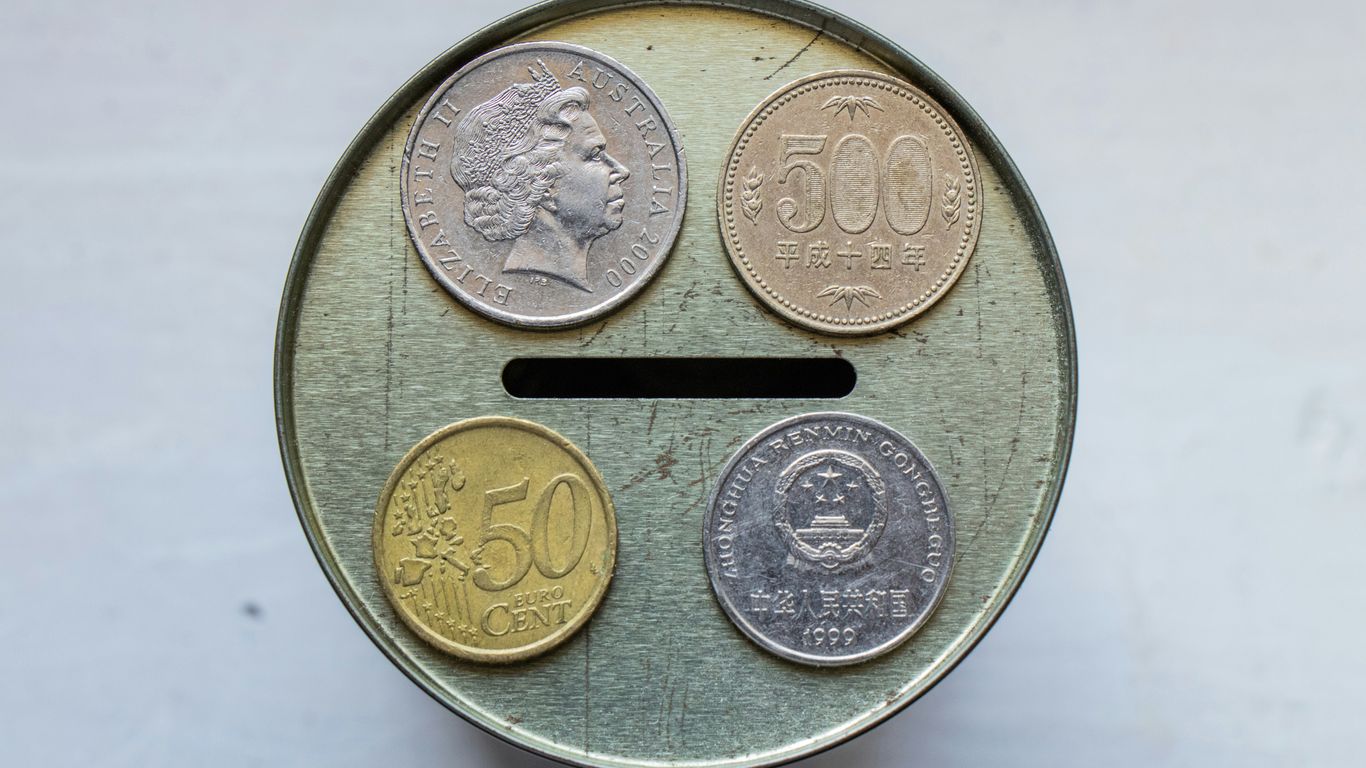
When you're looking to put some money aside in Germany, savings accounts are often the first port of call. They're generally seen as a safe place to keep your cash, and after a long period of very low interest rates, things have started to look a bit more interesting. Banks are now offering better returns, though it really depends on the type of account, the bank itself, and how much you're putting in.
The Evolving German Savings Market
Germany's savings market has seen some changes. For a while, you'd be lucky to get any interest at all. Now, you can find accounts that offer more competitive rates, especially if you're willing to lock your money away for a set period. It's worth shopping around because the offers can vary quite a bit. It's important to remember that even with improved rates, savings accounts are primarily for preserving capital, not for aggressive growth.
Instant-Access Savings Accounts (Tagesgeldkonto)
These are your go-to if you want to be able to get to your money whenever you need it. You can deposit and withdraw funds freely, which is great for flexibility. The interest rates on these accounts are usually a bit lower than fixed-term options, but that's the trade-off for having immediate access. Some digital banks, for instance, might offer promotional rates that change, so keep an eye on those.
Fixed-Term Deposit Accounts (Festgeldkonto)
With a fixed-term deposit, you agree to leave your money with the bank for a specific period, like six months or a year. In return, you typically get a higher interest rate than you would with an instant-access account. However, your money is locked in, so you can't touch it without potentially losing out on interest. Many banks also have a minimum deposit requirement for these accounts, often starting around 5,000 EUR.
Interest Rate Variations And Providers
Interest rates can differ significantly between banks and even between different types of accounts offered by the same bank. Promotional rates are common, especially for new customers or for specific terms. It's a good idea to compare offers from various institutions, including traditional banks and newer digital banks, to find the best deal for your savings goals. For example, you might find rates around 2-3% or even higher on fixed-term deposits, while easy-access accounts might hover lower, especially after any initial promotional periods end.
Deposit Protection Limits In Germany
One of the main attractions of savings accounts in Germany is the security they offer. Your savings are protected by the statutory Deposit Guarantee Scheme. This means that up to 100,000 EUR per depositor, per bank, is protected if the bank were to fail. This provides a good level of comfort when deciding where to place your funds.
Eligibility Requirements For Savings Accounts
Generally, to open a savings account in Germany, you'll need to have a German address and a German tax identification number. Some digital banks, however, might be more accommodating to residents of other EU countries, but it's always best to check the specific requirements of each bank before you apply. This is a key step to consider when you're planning your investment strategy in Germany.
Comparing Interest Rates On Savings Products
When comparing different savings products, look beyond just the headline interest rate. Consider the term length for fixed deposits, the flexibility of access for instant-access accounts, and any fees that might apply. Also, check how often interest is paid out – some accounts offer monthly payouts, which can be beneficial for reinvestment or managing cash flow.
The Role Of Digital Banks In Savings
Digital banks have really changed the savings landscape. They often operate with lower overheads than traditional banks, which can translate into more competitive interest rates for customers. They also tend to offer a very streamlined, online-first experience for opening accounts and managing your money, which many people find convenient. It's worth exploring what these newer players have to offer alongside the established German banks.
Exploring Alternative Investment Avenues
Investing In Gold And Precious Metals
While traditional investments like stocks and bonds have their place, sometimes you might want to look beyond the usual. Germany, with its stable economy, also presents opportunities in what we call alternative investments. These can be a bit different from what you're used to, and they often come with their own set of risks and rewards. Think of them as ways to add a bit of spice to your portfolio, or perhaps as a hedge against more unpredictable times. Gold and precious metals have long been seen as a safe haven, especially when economic storms are brewing. Many investors turn to them when they're worried about inflation or general market instability. You can invest in physical gold, like coins or bars, or through financial products like gold ETFs. It's a tangible asset, which appeals to some, but it doesn't generate income like a dividend-paying stock or a rental property. Its value tends to move independently of other markets, which can be a good thing for diversification.
The Appeal Of Collectibles As Investments
Collectibles are another area that some people find interesting. This could be anything from vintage watches and classic cars to rare art or stamps. The idea here is that the value of these items can increase over time, driven by rarity, demand, and historical significance. It's a bit like investing in a piece of history. However, this is a market that really requires a lot of knowledge. You need to know what you're looking for, how to spot fakes, and understand the trends. Unlike stocks, you can't just buy a collectible through an online broker. You'll likely need to attend auctions, deal with specialist dealers, or buy from private sellers. Storage, insurance, and maintenance can also add to the costs. It's definitely more of a passion project for some, with the hope of financial gain on the side.
Understanding Cryptocurrency Regulations
Cryptocurrencies, like Bitcoin and Ethereum, have certainly made a splash. They're digital or virtual currencies that use cryptography for security. The appeal for some investors lies in their potential for high returns and their decentralised nature, meaning they aren't controlled by a single bank or government. However, this is a very new and volatile area. The regulatory landscape for cryptocurrencies in Germany, and indeed globally, is still developing. This means rules can change, and what's allowed today might be different tomorrow. It's important to be aware that this market can swing wildly in value, and you could lose a significant amount of money very quickly. Investing in crypto requires a good understanding of the technology and the risks involved.
Risks Associated With Digital Assets
When we talk about digital assets, we're mostly referring to cryptocurrencies. The main risk here is the extreme price volatility. Prices can jump up or down by large percentages in a very short period. This isn't like the stock market, which can be volatile, but crypto can be on another level. Another risk is security. While the underlying blockchain technology is generally secure, the platforms where you buy and sell crypto, and your digital wallets, can be targets for hackers. If your account is compromised, your digital assets could be stolen. There's also the risk of regulatory changes, as mentioned before, which could impact the value or legality of certain digital assets. It's not for the faint-hearted, and you should only invest what you can comfortably afford to lose.
BaFin's Role In Regulating Crypto
The Federal Financial Supervisory Authority (BaFin) is Germany's financial watchdog. They are increasingly involved in overseeing the cryptocurrency space. BaFin issues warnings about the risks associated with crypto investments and is working to establish clearer regulations. They have stated that certain crypto-related products, like derivatives, fall under their existing financial market regulations. For investors, this means that while the crypto market itself might seem unregulated in some ways, there are authorities like BaFin trying to bring more order and protection. It's wise to keep an eye on BaFin's statements and guidance if you're considering investing in crypto in Germany. They are the ones to watch for official pronouncements.
Expertise Required For Niche Investments
Investing in alternatives, whether it's gold, art, or crypto, often requires a different kind of skill set than traditional investing. You can't just rely on company reports or economic forecasts. For collectibles, you need an eye for detail and an understanding of the specific market. For cryptocurrencies, you need to grasp the technology and the fast-moving market dynamics. This isn't something you can learn overnight. It often involves a lot of personal research, talking to specialists, and perhaps even taking courses. If you're not prepared to put in that effort, these types of investments might not be the best fit for you. It's about more than just putting money in; it's about understanding the asset itself.
Safe Havens During Economic Uncertainty
During times of economic trouble, investors often look for 'safe havens' – assets that are expected to hold their value or even increase when other markets are falling. Gold is a classic example. Historically, it has performed well when there's high inflation, political instability, or a general loss of confidence in traditional financial systems. Other assets sometimes considered safe havens include certain government bonds (like German Bunds) or even currencies like the Swiss franc. The idea is to protect your capital from significant losses. However, what constitutes a safe haven can change, and even these assets aren't entirely risk-free. It's about seeking relative safety rather than absolute security.
The Volatility Of Alternative Assets
It's really important to remember that 'alternative' doesn't mean 'less risky'. In fact, many alternative assets can be more volatile than traditional investments. Cryptocurrencies are a prime example, with their dramatic price swings. Even gold prices can fluctuate significantly. Collectibles can be illiquid, meaning it might be hard to sell them quickly when you need to, and their value can be subjective. When considering these investments, you need to be comfortable with a higher degree of uncertainty and the potential for substantial losses. It's usually recommended to allocate only a small portion of your overall investment portfolio to these higher-risk, potentially higher-reward assets.
Life Insurance And Specialised Products
Life insurance in Germany isn't just about protecting your loved ones; it's also a traditional route for building up savings over the long haul. Think of products like capital life insurance, known locally as Kapitallebensversicherung, and pension insurance (Rentenversicherung). These policies bundle together protection with an investment component. Often, they come with promises of guaranteed payouts or annuities when you reach retirement age. Many people in Germany still view these as a safe, predictable way to plan for their future, even if the returns might not be as high as some other investment types.
Beyond these, there are also specialised savings products. The Riester and Rürup pensions are prime examples – these are private retirement plans that get government support and offer tax advantages. They remain quite popular for individuals and families who prioritise stability and tax benefits over chasing potentially higher, but riskier, returns.
Life Insurance As A Savings Tool
When you look at life insurance in Germany, it's worth noting its dual role. On one hand, it provides a financial safety net for your beneficiaries should the unexpected happen. On the other, it's a well-established method for accumulating wealth over an extended period. This combination makes it a cornerstone of financial planning for many German households.
Understanding Capital Life Insurance
Capital life insurance policies are designed to grow your money over time while also offering a death benefit. A portion of your premiums goes towards building a capital sum, which is then invested. The performance of this investment influences the final payout, alongside any guaranteed interest rates. It's a way to save systematically, with the added security of life cover.
The Function Of Pension Insurance Products
Pension insurance, or Rentenversicherung, is specifically geared towards providing an income during your retirement years. These products typically involve paying premiums over many years, building up a fund that will then pay out a regular income, often for life, once you stop working. Some policies might offer a lump sum option instead of, or in addition to, regular payments.
Guaranteed Payouts And Annuities
One of the main attractions of certain life and pension insurance products is the promise of guaranteed payouts. This means that regardless of how the underlying investments perform, you are assured a minimum return or a specific income stream in retirement. Annuities, in particular, convert a lump sum into a stream of regular payments, providing a predictable income for life. This certainty is highly valued by those who prefer to avoid investment volatility.
Specialised Savings Products Explained
Germany has several government-backed savings schemes designed for long-term goals, particularly retirement. The Riester and Rürup pensions are prominent examples. These plans are structured to encourage private saving for retirement by offering tax relief and, in the case of Riester, state subsidies. They are often favoured by those seeking a secure, tax-efficient way to supplement their state pension.
Government Support For Retirement Plans
Government initiatives play a significant role in promoting private retirement planning in Germany. Schemes like Riester are designed to encourage individuals to save more for their old age, with the government contributing subsidies based on income and family circumstances. These incentives make private pension plans more attractive, especially for lower to middle-income earners.
Balancing Stability And Investment Returns
When considering life insurance and specialised savings products, it's important to understand the trade-off between stability and potential investment returns. These products often prioritise capital preservation and guaranteed income over aggressive growth. While they might not offer the high returns seen in more volatile investments like stocks, they provide a level of security that many investors find reassuring for their long-term financial goals. If you're looking to protect your capital and secure a predictable income, these products are worth investigating.
Long-Term Financial Security Through Insurance
Ultimately, life insurance and specialised pension products are tools for achieving long-term financial security. They offer a structured approach to saving and investing, with built-in protection and often guaranteed benefits. For individuals and families in Germany seeking a reliable way to plan for retirement or provide for beneficiaries, these insurance-based savings vehicles remain a popular and sensible choice, especially when considering the stability of the German market.
Offshore Investments For Foreign Residents
As a foreigner looking to invest in Germany, you might also consider looking beyond its borders. Offshore investments, essentially assets held outside your country of residence, can offer a different set of opportunities and considerations. It's not about hiding money, but rather about diversifying your financial footprint and potentially accessing markets or products not readily available domestically.
Considering Investments Outside Germany
Thinking about where to put your money can be a big decision. While Germany has a solid economy, sometimes looking further afield makes sense. This could be for a few reasons. Maybe you want to spread your risk across different economies, or perhaps you've spotted a particular investment opportunity in another country that catches your eye. It’s about broadening your horizons, financially speaking. For those considering a move or already living abroad, understanding residency requirements is a good first step [fab9].
Benefits Of Cross-Border Asset Management
Managing assets across borders can bring some advantages. For starters, it can help you avoid putting all your eggs in one basket. If one country's economy hits a rough patch, your investments in another might be doing just fine. This diversification can smooth out your overall returns. Plus, some countries might offer different tax structures or investment products that could be beneficial. It’s a way to build a more robust financial plan.
Flexibility In International Investment
International investing can give you more choices. You're not limited to just what's available in Germany. This means you could potentially invest in companies or funds from all over the world. Think about it: you could invest in emerging markets, or perhaps specific sectors that are booming elsewhere. This flexibility allows you to tailor your portfolio to your specific goals and risk tolerance. Some individuals even explore options like 'Golden Visas' which offer residency through investment [e699].
Potential Tax Advantages Of Offshore Jurisdictions
This is where things can get a bit complex, but it's worth understanding. Some offshore jurisdictions have lower tax rates on certain types of income or capital gains compared to Germany. This doesn't mean you can avoid taxes altogether – you still have to declare your worldwide income to the German tax authorities. However, strategically placed investments might benefit from more favourable tax treatment. It’s always best to get professional advice on this, as tax laws are intricate and change often. For those looking to set up a business abroad, exploring suitable jurisdictions is key [3a68].
Accessing Wider International Fund Choices
Germany has a good selection of investment funds, but the global market is vast. Offshore investments can give you access to a broader range of funds, including those that focus on specific niche markets or regions that might not be well-represented in Germany. This could include funds focused on specific industries, countries, or even alternative asset classes. Having more options means you can build a portfolio that truly reflects your investment strategy.
Declaring Offshore Assets For German Tax Purposes
This is a really important point. Even if your money is invested offshore, as a German resident, you generally need to declare all your worldwide income and assets to the German tax authorities. Failing to do so can lead to penalties. You'll likely need to report income from dividends, interest, and capital gains. It’s about transparency and compliance. Keeping good records of all your offshore accounts and investments is vital for accurate tax reporting.
Complexity Of Offshore Investment Rules
It's true, offshore investing isn't always straightforward. There are different rules and regulations depending on the country where you're investing and where you're a tax resident. You might encounter different reporting requirements, currency exchange considerations, and legal frameworks. It’s not as simple as just opening an account; you need to be aware of the specifics. This is why doing your homework or getting help is so important.
The Necessity Of Professional Offshore Advice
Given the complexities, getting advice from a professional who understands both German tax law and international investments is highly recommended. They can help you understand the implications, ensure you're compliant with all regulations, and help you choose investments that align with your goals and risk appetite. It’s about making informed decisions and avoiding potential pitfalls. A good advisor can make a significant difference in how successful and stress-free your offshore investment journey is.
Key Resources For Investors
When you're looking to invest in Germany as a foreigner, it's easy to feel a bit lost in all the paperwork and regulations. Luckily, there are some solid places to turn for reliable information and support. Think of these as your go-to spots when you need to check a fact, understand a rule, or just get a clearer picture of what's happening in the German financial world.
Utilising The Deutsche Börse Website
The Deutsche Börse is essentially the operator of the Frankfurt Stock Exchange, so it's a pretty central hub for anything related to listed companies and market data. Their website is a good place to start if you want to get a feel for the German stock market. You can find information on companies, indices, and general market trends. It's not always the easiest read, especially if you're new to this, but it's a primary source for official market information.
Accessing Information From BaFin
BaFin, the Federal Financial Supervisory Authority, is the main regulator for financial services in Germany. This is the authority you want to be sure any financial provider you deal with is registered with. Their website is packed with information on regulations, warnings about unauthorised firms, and details on licensed institutions. If you're ever unsure about a company's legitimacy or want to understand the rules governing investments, BaFin's site is the place to look. They also publish reports and statistics that can offer insights into the financial sector's health.
Consulting Deutsche Bundesbank Reports
The Deutsche Bundesbank is Germany's central bank. They publish a wealth of economic data, research papers, and reports that can give you a deeper understanding of the German economy. While some of their publications might be quite technical, they offer a reliable overview of economic conditions, monetary policy, and financial stability. This kind of background information is really helpful for making informed investment decisions, especially when considering the broader economic climate.
Navigating The Federal Ministry Of Finance Portal
The Federal Ministry of Finance (Bundesministerium der Finanzen) website provides information on government economic policy, tax laws, and financial regulations. It's a key resource for understanding the legislative framework that affects investments in Germany. You can find details on tax changes, government initiatives supporting businesses, and the overall economic direction the country is heading. It’s a bit like looking at the government’s blueprint for the economy.
Exploring Independent Consumer Sites Like Finanztip
For practical, everyday advice that cuts through the jargon, sites like Finanztip are incredibly useful. They focus on consumer advice, including personal finance and investments, in a way that's easy for ordinary people to understand. They often compare different products and services, highlight potential pitfalls, and offer straightforward recommendations. It’s a great resource for getting unbiased tips on everything from savings accounts to insurance products.
Referencing OECD Economic Outlooks
The Organisation for Economic Co-operation and Development (OECD) provides regular economic outlook reports for its member countries, including Germany. These reports offer independent analysis and forecasts for the German economy, looking at factors like GDP growth, inflation, and employment. They can be a good way to get an external perspective on Germany's economic performance and future prospects, helping you to gauge the general investment climate. You can find these reports on the OECD website.
Finding Local Chambers Of Commerce Listings
Local Chambers of Commerce and Industry (Industrie- und Handelskammer - IHK) are valuable for understanding specific regional economies and business environments within Germany. They often have resources for foreign investors, including information on setting up businesses, local market conditions, and networking opportunities. Connecting with your regional IHK can provide practical, on-the-ground insights that national resources might miss. They are also a good point of contact for understanding the German infrastructure needs.
Utilising English-Speaking Advisor Services
While official resources are important, sometimes you just need to talk to someone who understands your specific situation as a foreign investor. Many financial institutions and independent advisory firms in Germany now offer services in English. Finding a qualified advisor who is familiar with both German regulations and the needs of international clients can make a huge difference. They can help you interpret complex information, tailor strategies to your goals, and navigate the practicalities of investing from abroad. Remember to always check their authorisation with BaFin.
Managing Currency Risk In Investments
When you invest in assets denominated in a different currency than your own, you're exposed to what's known as currency risk. This means that fluctuations in exchange rates can impact the value of your investments, even if the underlying asset performs well. For instance, if you're a UK resident investing in German stocks, and the pound strengthens significantly against the euro, the value of your German holdings, when converted back to pounds, will decrease. It's a bit like trying to run a race with a strong headwind – it makes things harder.
The Impact Of Exchange Rate Fluctuations
Exchange rates are constantly moving, influenced by a whole host of factors like interest rates, economic stability, and political events. For investors, this volatility can be a double-edged sword. A favourable movement can boost your returns, but an unfavourable one can erode them. It's vital to understand that currency movements are often independent of the investment's performance itself. For example, a German company might see its share price rise by 10%, but if the euro weakens by 12% against your home currency, you've actually lost value overall.
How Currency Risk Affects Investment Returns
Let's say you've put money into a fund that holds US stocks. If the US dollar weakens against the pound, the sterling value of your investment will shrink. This can be particularly noticeable if you're investing in markets with currencies that are known for their volatility. It's not just about the potential for gains; it's also about protecting what you've already earned. This is why many international investors look at ways to mitigate these swings.
Strategies For Mitigating Currency Risk
There are several ways to try and manage this risk. One common approach is to diversify your investments across different currencies. This way, if one currency weakens, another might strengthen, balancing things out. Another strategy involves using financial instruments designed to hedge against currency movements, though these can be complex and may not be suitable for all investors.
- Diversification: Spread your investments across assets denominated in various currencies.
- Hedging Instruments: Consider currency forwards, futures, or options if you have a significant exposure and understand the risks involved.
- Local Currency Investments: Prioritise investments in your home currency where possible, though this might limit your global opportunities.
The Role Of Multi-Currency Accounts
Multi-currency accounts can be quite handy for international investors. They allow you to hold funds in different currencies within a single account. This can make it easier to manage your money when dealing with investments in various countries, and it can also help reduce the costs associated with converting currencies back and forth. Services like Wise, for example, allow you to hold and exchange multiple currencies, often at competitive rates.
Minimising Hidden Costs In Transfers
When you move money between countries to fund your investments, watch out for hidden fees and less favourable exchange rates. Banks often add a significant markup to the mid-market rate. Using specialised money transfer services can often provide more transparent fee structures and better exchange rates, meaning more of your money ends up working for your investments. It's worth comparing different providers to see who offers the best deal for your specific needs.
Choosing Transfer Services Wisely
Selecting the right service for international money transfers is key. Look for providers that are upfront about their fees and offer competitive exchange rates. Some services also provide features like forward contracts, which allow you to lock in an exchange rate for a future transaction, offering a degree of certainty. For instance, when funding your German investment portfolio, using a service that offers a good rate for EUR transfers can make a difference.
Impact On International Portfolio Performance
Ultimately, currency risk can significantly influence your overall portfolio performance. Even if your chosen investments are performing well in their local markets, a strong adverse currency movement can negate those gains. Therefore, actively managing currency exposure is not just about reducing risk; it's about optimising your potential returns from international investments.
Protecting Your Investment Value Across Borders
To protect your investment value, consider a balanced approach. This might involve holding a portion of your assets in your home currency, diversifying into other major currencies, and perhaps using hedging strategies for larger, more volatile positions. It's about finding a balance that suits your risk tolerance and investment goals. For those investing in Germany, understanding the relationship between the euro and your home currency is a good starting point. You can find more information on managing international finances at the Bank of England.
Common Pitfalls To Avoid
When you're looking to invest in Germany, it's easy to get excited about the possibilities. But, just like trying to assemble flat-pack furniture without the instructions, there are a few common mistakes that can trip you up. It's worth knowing about these so you can steer clear of them.
Over-Investing Without Understanding Risk
It’s tempting to put all your eggs in one basket, especially if you hear about a hot tip. However, investing more than you can comfortably afford to lose is a recipe for disaster. Think about it – if the market takes a dip, and you've invested your rent money, that's going to cause a lot of stress. Always assess your personal financial situation first. What's your emergency fund like? What are your regular outgoings? Only invest money that you won't need in the short to medium term.
Ignoring Fees and Charges
Those little percentages can add up surprisingly quickly. Whether it's platform fees, transaction costs, or management charges for funds, they all eat into your returns. It’s like paying for a service you don’t always see the direct benefit of. Always ask for a clear breakdown of all costs involved before you commit. Sometimes, a slightly higher headline return might look good, but if the fees are excessive, it could end up costing you more in the long run.
Failing to Diversify Investments
Putting all your money into a single stock or asset class is a bit like playing roulette. If that one investment performs poorly, your entire portfolio suffers. Diversification means spreading your money across different types of investments – stocks, bonds, property, maybe even some alternative assets. This helps to balance out the risk. If one area is down, another might be up, smoothing out the overall performance. It’s a core principle of sensible investing.
Falling For Unrealistic Return Promises
If something sounds too good to be true, it usually is. Be very wary of investment opportunities that promise guaranteed, exceptionally high returns with little or no risk. These are often scams or highly speculative ventures. Remember that higher returns typically come with higher risk. A stable investment strategy usually involves realistic expectations and a long-term perspective.
Not Verifying Investment Provider Legitimacy
This is a big one. Before you hand over any money, do your homework on the company or platform you're considering. Are they authorised and regulated by the relevant authorities, like BaFin (the German Federal Financial Supervisory Authority)? A quick check on their website or a call to their customer service can save you a lot of heartache. You can often find lists of authorised firms on regulatory bodies' websites. It’s important to check the authorisation of your chosen provider.
Neglecting Tax Obligations
Tax is a part of life, and investing is no different. Failing to understand and meet your tax obligations in Germany can lead to penalties and interest charges. This is particularly true for foreigners, as tax rules can be complex. It’s wise to get a handle on capital gains tax, dividend tax, and any other relevant levies. For detailed information on tax for non-residents, resources like foreigner property taxes europe can be helpful.
Making Emotional Investment Decisions
Markets go up and down. It’s natural to feel anxious when your investments are falling or overly confident when they're rising. However, making investment decisions based on fear or greed is rarely a good idea. Stick to your original investment plan and strategy. Avoid impulsive decisions driven by short-term market noise. A disciplined approach is key.
Underestimating The Need For Professional Advice
While this guide offers a lot of information, sometimes the complexities of international investing, especially with German regulations, can be overwhelming. Don't hesitate to seek advice from a qualified financial advisor who understands both German and your home country's financial systems. They can help you create a personalised strategy and avoid costly mistakes. The German property market, for instance, is known for its stability, but understanding the specifics as a foreigner is still important [f548].
It’s easy to get caught up in the excitement of investing, but a calm, informed approach is always best. Taking the time to understand the risks, the costs, and the regulations will put you in a much stronger position for long-term success.
Wrapping Up Your German Investment Journey
So, you've looked into investing in Germany as a foreigner. It's a solid market, no doubt about it, but like anything involving your hard-earned cash, it pays to be careful. Remember to only put in money you can afford to lose – that’s a big one, especially if you’re living abroad and might have unexpected costs pop up. Don't get tempted by those 'get rich quick' schemes; BaFin is always flagging them. If things get confusing, especially with taxes or moving money around, don't be afraid to ask a professional for help. A good advisor can save you a lot of hassle down the line. And when it comes to sending money internationally, services like Wise can make it much simpler and cheaper. Ultimately, a bit of research and sensible planning goes a long way.
Frequently Asked Questions
What's the easiest way for a foreigner to start investing in Germany?
For many newcomers, starting with an exchange-traded fund (ETF) savings plan is a good first step. These plans let you invest small amounts regularly in a wide range of companies or bonds, spreading out your risk. You can usually set them up easily through your bank or an online investment platform. It's also smart to open a German bank account and get your tax ID first.
Do I need to live in Germany to invest there?
Not necessarily. While having a German bank account and address can make things simpler, many online brokers and investment platforms allow non-residents to invest in German markets. However, tax rules can be different for non-residents, so it's wise to check this carefully or get advice.
How much money do I need to begin investing?
You can actually start investing with a relatively small amount. For example, ETF savings plans can often be started with as little as 25 EUR per month. For other investments like property, you'll obviously need a much larger sum. The key is to only invest money you can afford to lose, especially when you're starting out.
Is it safe to invest in Germany?
Germany has a very stable economy and strong financial regulations, which generally makes it a safe place to invest. The government's financial watchdog, BaFin, keeps a close eye on financial companies to protect investors. However, like any investment, there's always some risk involved, especially with things like stocks that can go up and down in value.
What taxes will I have to pay on my investments in Germany?
If you live in Germany, you'll usually pay a flat tax of 25% on your investment earnings and profits. This is called 'Kapitalertragsteuer'. There might also be a small extra charge called the solidarity surcharge, and if you're a member of a church, a church tax. If you're not a resident, you typically only pay tax on income earned from German sources.
Can I invest in German property as a foreigner?
Yes, foreigners can buy property in Germany just like locals. There aren't many restrictions. You'll need to go through a notary to finalise the sale, and the property will be officially registered in your name. Banks might have slightly stricter rules if you're looking for a loan as a foreigner, possibly asking for a bigger down payment.
What are ETFs and why are they popular?
ETFs, or Exchange-Traded Funds, are like baskets holding many different investments, such as stocks or bonds. They often track a specific market index, like the DAX (Germany's main stock market index). They're popular because they're usually low-cost, easy to buy and sell, and spread your risk across many assets automatically.
How do I transfer money to Germany for investing?
Moving money internationally can sometimes be costly with hidden fees. Services like Wise (formerly TransferWise) are popular because they offer transparent fees and use the real exchange rate (the mid-market rate). This can help you save money when sending funds to your German bank account to invest.
What is the 'Mittelstand' and why is it important for investors?
The 'Mittelstand' refers to Germany's small and medium-sized businesses. These companies are often family-owned, highly specialised, and are the backbone of the German economy. Investing in these types of businesses, perhaps through special funds or directly if possible, can offer stable, long-term growth opportunities.
Are there special retirement savings plans in Germany?
Yes, Germany has government-supported private pension plans like the Riester and Rürup pensions. These offer tax advantages and can help you save extra for retirement. Many people also use investment funds or ETFs as part of their retirement planning, as they can potentially offer higher growth.
What should I watch out for to avoid investment scams?
Be very careful of offers that promise incredibly high returns with little or no risk – these are often too good to be true. Always check if the company or person offering the investment is authorised by BaFin, Germany's financial regulator. If you're unsure, it's best to walk away or seek advice from a trusted, qualified financial advisor.
Where can I find reliable information about investing in Germany?
Good sources include the websites of the Frankfurt Stock Exchange (Deutsche Börse) and BaFin (the financial regulator). Consumer advice sites like Finanztip can also offer unbiased comparisons of financial products. For economic forecasts, look at reports from organisations like the OECD. Many banks also have information available in English.