
On this page
So, you're moving to Germany and need health insurance?
It's a bit of a puzzle, isn't it? Everyone needs it, but figuring out which kind is best for you can feel overwhelming. There's the public system, and then there's private.
Your income, job, and even your age play a part in what you can choose. This guide breaks down how to choose health insurance Germany so you can get sorted.

Financial Advisory for Expats in Germany
In our free digital 1:1 consultation, our independent investment advisors help you develop a plan for your wealth accumulation that fits your financial goals.
Key Takeaways
- Health insurance is mandatory for everyone in Germany, whether you're a resident or an expat.
- Your income level is a major factor in deciding between public (GKV) and private (PKV) health insurance.
- Public health insurance (GKV) is generally for those earning below a certain threshold and offers standard coverage for most.
- Private health insurance (PKV) is an option for high earners, the self-employed, and those seeking potentially enhanced benefits.
- Expat or incoming insurance is often needed for visa applications and provides temporary coverage.
- Consider pre-existing conditions, as they are covered by GKV but can increase PKV premiums.
- Waiting times for appointments can differ, with private insurance often offering quicker access to specialists.
- For complex situations or if unsure, seeking advice from an independent insurance broker (Makler) is recommended.
Understanding Germany's Dual Health Insurance System
Germany operates a rather unique healthcare setup, often referred to as a dual system. This means there isn't just one way to get health cover; instead, you've got two main paths: public health insurance (GKV) and private health insurance (PKV). It's a bit like choosing between a big, all-inclusive package deal and a more bespoke, à la carte option. Health insurance isn't optional in Germany; it's a legal requirement for everyone living there. Whether you're a long-term resident or just arrived, you'll need to be insured.
The Mandatory Nature of Health Insurance in Germany
Let's get this straight from the start: you absolutely must have health insurance if you're living in Germany. It's not a suggestion, it's the law. This rule is in place to make sure everyone, no matter their financial situation or health status, can get the medical care they need. It's a big reason why Germany has such a low number of uninsured people, well under 0.1% of the population. You can get your insurance from either a public or a private provider, depending on your circumstances.
Overview of Public Health Insurance (GKV)
Public health insurance, or Gesetzliche Krankenversicherung (GKV), is the system that covers the vast majority of people in Germany, around 90%. Think of it as the standard, go-to option. It's funded by contributions from both employees and employers, calculated as a percentage of your gross salary. If you earn below a certain income threshold (which changes annually, but was around €64,350 in 2023), you're generally required to be in the GKV system. The premiums are split pretty much 50/50 between you and your employer. The GKV system is run by various non-profit organisations called Krankenkassen. They all offer pretty similar core benefits, though customer service and some extra perks might differ slightly. Importantly, they can't turn you away if you're eligible.
Introduction to Private Health Insurance (PKV)
On the other side, we have Private Health Insurance, or Private Krankenversicherung (PKV). This is an option for those who earn above the mandatory income threshold, or for certain groups like the self-employed, civil servants, and freelancers. Unlike GKV, the cost of PKV isn't directly tied to your salary. Instead, your premiums are based on factors like your age when you join, your current health, and the level of coverage you choose. It often provides more flexibility and potentially quicker access to certain services, but it comes with its own set of considerations, especially regarding cost over the long term.
Eligibility Criteria for Public vs. Private Coverage
So, who gets to choose what? Generally, your income is the main deciding factor. If your annual income is below the statutory income limit (the Jahresarbeitsentgeltgrenze), you're usually required to be in the public GKV system. Earn above this limit, and you can opt for private insurance, but you don't have to. Other factors also play a role, such as your employment status (employed, self-employed, civil servant) and whether you're an international student over a certain age. It's not always a free choice; sometimes, your situation dictates which system you fall into.
The Role of Income in Determining Insurance Type
Your salary is a pretty big deal when it comes to deciding between GKV and PKV. There's an annual income threshold set by the government. If you're earning less than this amount, you'll typically be automatically enrolled in the public GKV system. If you're earning more, you gain the option to switch to private insurance (PKV). This threshold is adjusted each year, so it's worth keeping an eye on it if you're close to the limit. For the self-employed, the rules can be a bit different, and they often have more freedom to choose, but they usually have to pay the full contribution themselves.
Key Differences in Coverage Philosophies
The core difference lies in how they approach coverage. GKV is built on the principle of solidarity – everyone contributes based on their ability, and everyone gets access to necessary medical care. It's comprehensive but standard. PKV, on the other hand, is more about individual risk and tailored benefits. You pay premiums based on your personal risk profile and the specific services you want covered. This can mean things like private hospital rooms, direct access to specialists, or more extensive dental care, which aren't standard in GKV. It's a trade-off between collective support and personalised service.
How the German Healthcare System Operates
At its heart, the German system aims for universal access. Most residents are covered by GKV, funded by shared contributions. When you need medical care, you typically present your insurance card. For GKV, your Krankenkasse covers the costs directly with the provider in most cases. If you're in PKV, you might have to pay upfront for services and then claim reimbursement from your insurer, though this varies. Doctors and hospitals are generally paid through these insurance funds. It's a well-established system that ensures a high standard of care for everyone, though the specifics of how you access that care can differ depending on your insurance type. Understanding these basics is the first step to making the right choice for your health insurance in Germany.
Assessing Your Personal Eligibility and Needs
Right, so you're in Germany and need health insurance. It's not really an option, it's a must-have. But figuring out which kind is the big question, isn't it? It all comes down to your personal situation, like how much you earn, if you're employed or freelancing, and even your visa type. Understanding these factors is the first step to picking the right plan.
Determining Your Eligibility for Private Health Insurance
Private health insurance, or PKV, isn't for everyone. Generally, you can go private if you're a high earner, a civil servant, or self-employed. There's a specific income threshold that changes annually. If your income is above this limit, you're usually eligible to opt out of the public system and choose private coverage. It's worth looking into if you're earning a good salary and want potentially faster access to specialists or more personalised treatment options.
Understanding Income Thresholds for Public Insurance
Most people in Germany fall under the public health insurance system, known as GKV. Your eligibility for GKV is largely determined by your income. If your gross annual income is below a certain threshold (the Jahresarbeitsentgeltgrenze or JAEG), you're generally required to be in the public system. This threshold is adjusted each year, so it's important to check the current figure. It's designed to make sure everyone has access to healthcare, regardless of their earnings.
The Impact of Employment Status on Insurance Choices
Your job situation plays a big part. If you're employed, your employer will usually contribute to your public health insurance. If you're self-employed or a freelancer, you'll likely have to cover the full cost yourself, which can make the choice between public and private insurance more significant. Some freelancers might find private insurance more appealing if they can get a good rate, while others might stick with public for its predictable costs and comprehensive coverage.
Considering Your Residency Type and Visa Requirements
If you're new to Germany, your visa or residency permit type can influence your insurance options. For instance, some visa applications, especially for initial entry or specific work permits, might require you to have a particular type of insurance, often a short-term 'expat' or travel health insurance, before you can switch to a long-term public or private plan. It's a bit of a catch-22 sometimes, needing insurance to get the permit, but needing the permit to get the right long-term insurance.
Assessing Your Current and Future Health Requirements
Think about your health. Do you have any ongoing medical conditions? Are you planning a family soon? Public insurance generally covers pre-existing conditions without extra cost, which is a big plus. Private insurance might charge more for these conditions, but it could offer better coverage for specific treatments or faster access to certain specialists. It’s about matching the plan to what you need now and what you might need down the line.
Evaluating Your Financial Situation and Budget
Let's be honest, cost is a major factor. Public insurance contributions are a percentage of your income, up to a certain ceiling. Private insurance premiums can be fixed or based on age and health, and they can vary wildly. You need to look at your monthly budget and figure out what you can comfortably afford. Sometimes, a slightly more expensive plan now could save you a lot of money and hassle later if you need significant medical care.
The Significance of Pre-Existing Health Conditions
This is a big one, especially if you're considering private insurance. Public health insurance (GKV) doesn't really care about pre-existing conditions; they're covered. Private insurers (PKV), however, can adjust your premiums based on your health history. They might charge you more, impose waiting periods for certain treatments, or even exclude certain conditions. It’s really important to be upfront and honest about your health when applying for private insurance to avoid any nasty surprises later on.
Picking the right health insurance isn't just about ticking a box; it's about making sure you're covered properly for your specific circumstances in Germany. Take your time with this part.
Navigating Public Health Insurance Options
For many people living and working in Germany, the default and often most sensible choice for health insurance is the public system, known as Gesetzliche Krankenversicherung (GKV). It's designed to be accessible and provides a solid foundation of medical care for everyone. It's not really a system you have to 'choose' in the same way you might pick a mobile phone plan; if you're employed and earn below a certain threshold, you're generally automatically enrolled.
The Default Choice: Gesetzliche Krankenversicherung (GKV)
Think of GKV as the standard package. It's mandatory for most employees, students, and pensioners. The system is based on solidarity, meaning everyone contributes based on their ability to pay, and everyone receives the care they need. This solidarity principle is a core part of the German healthcare ethos. It means that your health status or pre-existing conditions don't typically affect your ability to get coverage or the price you pay, which is a big plus compared to private options.
How Public Insurance Premiums Are Calculated
The cost of public health insurance is directly linked to your income. It's calculated as a percentage of your gross salary, up to a certain income ceiling (Jahresarbeitsentgeltgrenze). Both you and your employer split this contribution, usually 50/50. This income-dependent pricing means that if your earnings go up, your contributions rise, but if your income drops, so does your premium. This makes it quite flexible, especially if you have a variable income or anticipate changes like parental leave or retirement. For students under 30, there are special, lower rates, making it very affordable.
Understanding the Role of Krankenkassen (Insurers)
Within the GKV system, there are numerous independent public health insurance providers, called Krankenkassen. While they all offer a similar basic level of statutory benefits, they can differ slightly in their services, customer support, and additional perks. Some might offer bonus programmes for staying healthy or provide extra support for certain treatments. It's worth comparing a few to see if one aligns better with your preferences, though the core medical coverage remains consistent across all of them. You can switch between Krankenkassen after a certain period, usually 18 months, which offers a degree of flexibility if you're not satisfied.
Coverage Provided by Public Health Insurance Plans
Public health insurance in Germany covers a wide range of medical services. This includes visits to your GP and specialists (though often requiring a referral from your GP), hospital stays in shared rooms, prescription medications, basic dental care, and maternity services. It's designed to provide comprehensive care for most common health needs. However, it's important to note that certain treatments, like extensive dental work or alternative therapies, might not be fully covered, or may require a co-payment. Public health insurance in Germany offers good benefits but has limitations. It's advisable to supplement your coverage with additional insurance, such as dental plans, to ensure comprehensive protection.
Benefits of Family Coverage Under Public Insurance
One of the significant advantages of GKV is its family coverage. If you are insured under the public system, your spouse or registered partner (if they earn below a certain income threshold or are unemployed) and your children can often be insured for free under your policy. This is a huge financial benefit, especially for families, as you don't pay additional premiums for them. This contrasts sharply with private insurance, where each family member needs their own policy and premium.
Waiting Times and Access to Specialists in GKV
While GKV provides excellent care, one area where it can sometimes fall short is the waiting time for specialist appointments. Because access is so broad and demand is high, you might experience longer waits to see certain specialists compared to those with private insurance. Often, you'll need a referral from your GP to see a specialist, which adds an extra step. However, for routine check-ups and general medical needs, access is usually straightforward.
Switching Between Public Health Insurance Providers
As mentioned, you're not locked into one Krankenkasse forever. After a minimum membership period, typically 18 months with your current provider, you have the freedom to switch to another public insurer. This is usually a straightforward process, often handled with a simple notification. It allows you to explore different Krankenkassen if you're seeking better customer service or specific additional benefits they might offer. The core medical benefits, however, will remain largely the same across all public providers.
Exploring Private Health Insurance Advantages

Eligibility for Private Krankenversicherung (PKV)
So, who actually gets to sign up for private health insurance in Germany? Generally, if your annual income is above a certain threshold – the 'Jahresarbeitsentgeltgrenze' – you can opt out of the public system. This threshold changes a bit each year, so it's worth checking the current figure. Also, certain groups like civil servants and their families are often eligible. It's not for everyone, mind you, but if you fit the bill, it opens up a different set of options.
How Private Insurance Premiums Are Determined
Unlike public insurance, where your contributions are tied to your income, private insurance premiums are calculated differently. They look at your age when you join, your current health status, and the level of cover you want. This means a younger, healthier person might pay less than someone older or with existing health issues. It's a more personalised approach to pricing.
Enhanced Medical Coverage in Private Plans
One of the big draws of private health insurance is the potential for more extensive coverage. This can mean things like better hospital rooms, quicker access to specialists, and sometimes even coverage for treatments that aren't standard in the public system. It's about having more choice and potentially faster access to care. Think of it as a step up in the level of service you might receive. You can often get broader benefits than what's typically offered by public plans.
Benefits of Private Hospital Stays and Specialist Access
When you're in hospital, private insurance often means you'll get a private room instead of sharing with others. You might also be treated by senior doctors. And when it comes to seeing specialists, you can usually book an appointment much faster, often without needing a referral from your GP first. This can make a big difference when you need to see someone quickly.
Tailored Treatments and Alternative Medicine Coverage
Private plans can be quite flexible. You can often add cover for things like advanced dental work, glasses, or even certain alternative therapies that might not be fully covered by public insurance. It allows you to build a policy that really fits your specific health needs and preferences, paying a bit more for the extras you want.
Potential for Fixed-Rate Premiums
While premiums are based on your age and health when you join, some private plans offer the possibility of fixed rates for a certain period, or at least more predictable increases compared to public insurance which directly tracks your income. This can be appealing if you like to budget with certainty. However, it's important to remember that if your income drops significantly, your private insurance cost won't decrease like public insurance would.
Considerations for Short-Term Private Insurance
Sometimes, people might consider short-term private insurance, perhaps while waiting for their public insurance to kick in or for specific situations. While it can be an option, it's often more expensive per month than long-term private plans and might have limitations. It's usually best suited for very specific, temporary needs rather than as a long-term solution.
Specialised Insurance for Expats and Specific Situations
Understanding Expat Health Insurance (Incoming Insurance)
When you first arrive in Germany, you might need a specific type of insurance to cover you until you can get set up with the public or private systems. This is often called 'expat insurance' or 'incoming insurance'. It's particularly useful for visa applications, especially if you're not immediately employed by a German company. This temporary coverage bridges the gap from the moment you land until you secure long-term German health insurance. It's generally the most affordable option initially, but it's important to remember it's not a permanent solution. If you're unsure about your options, seeking advice can help you choose the right path.
When Expat Insurance is Essential for Visa Applications
Many German embassies and consulates require proof of health insurance for visa applications, particularly for national visas (Category D). Expat insurance is often accepted for this purpose. It's also a common requirement for those applying for the Chancenkarte (Opportunity Card) if they haven't yet secured employment. This type of insurance can be a lifesaver when you're in the process of moving and haven't yet met the criteria for public or private German health insurance. It provides that initial layer of security.
Coverage Limitations of Expat Health Insurance
While useful, expat insurance has its limits. It typically doesn't cover pre-existing conditions, and treatments like psychotherapy, routine dental care, or preventative check-ups might be excluded or have high deductibles. A significant drawback is the reimbursement system; you often have to pay for treatments upfront and then claim the money back from the insurer, which requires good financial planning and can be a hassle. It's also usually only valid for a maximum of five years, after which you'll need to switch to a different type of insurance. This means it's not suitable as a long-term solution.
The Role of Expat Insurance for Students Over 30
For international students, especially those over the age of 30, public health insurance (GKV) might not be an option. In such cases, expat insurance can be the only viable choice to meet the insurance requirements for their visa and studies. While it serves its purpose for initial enrollment, students should plan to transition to public or private insurance once they graduate and begin their professional careers in Germany.
Choosing Long-Term Expat Insurance Wisely
While expat insurance is designed for temporary stays, some providers offer longer-term options. However, it's crucial to understand that even 'long-term' expat insurance usually has a limit, often around five years. After this period, you must transition to the German public (GKV) or private (PKV) system. If you develop health issues while on expat insurance, switching to GKV or PKV can become difficult, potentially leading to higher premiums or even rejection. Therefore, it's always advisable to transition to GKV or PKV as soon as you are eligible and your circumstances allow.
Insurance Options for Freelancers and Self-Employed Individuals
Freelancers and self-employed individuals often face unique insurance challenges. If you're starting out, especially with a low income or if you have pre-existing conditions, you might find that public insurers reject your application. In these situations, expat insurance can be a necessary initial step to secure a visa. However, it's vital to explore options for transitioning to public or private insurance as soon as possible, as expat insurance is not a sustainable long-term plan. Seeking advice from an insurance expert is highly recommended for freelancers to understand their specific needs.
Navigating Insurance for Opportunity Card Applications
The German Opportunity Card (Chancenkarte) allows skilled workers from abroad to come to Germany to look for a job. A key requirement for this visa is having adequate health insurance. Expat insurance is often the most straightforward and accepted option for Chancenkarte applicants, providing the necessary coverage during their job-seeking period. Once employment is secured, individuals will need to switch to either public or private German health insurance.
Comparing Coverage and Service Differences
When you're looking at health insurance in Germany, it's not just about the price. You really need to think about what you're actually getting for your money. Public and private insurance plans work quite differently, and this affects everything from where you stay when you're in hospital to how quickly you can see a specialist.
In-Patient Hospital Care: Ward vs. Private Rooms
Public health insurance typically puts you in a shared room with other patients. Treatment is usually provided by the medical staff on duty. Private insurance, on the other hand, often gives you the option of a private room or a room with just one other person. You might also get to be treated by senior doctors, which can be a big plus if you're dealing with something serious. It's a noticeable difference in comfort and personal attention.
Out-Patient Care: General Practitioners and Specialists
With public insurance, you generally need to see your GP first. They'll then give you a referral if you need to see a specialist. This can sometimes mean longer waits. Private insurance often lets you go straight to a specialist without a referral. This can really speed things up, especially if you know exactly what kind of doctor you need to see. Some private plans cover 75-100% of specialist visits, while public plans cover 100% of general practitioner visits. See how healthcare costs compare in Germany.
Prescription Medications and Dental Care Provisions
Both public and private insurance cover most prescribed generic drugs, usually around 90% with public plans and 80-100% with private ones. Dental care is a bit more varied. Public insurance covers basic check-ups and procedures at 100%, but things like fillings or crowns might only be partially covered. Private plans can offer better coverage for things like inlays, tooth replacements, and even regular cleanings, sometimes covering 70-90% of these more advanced treatments.
Maternity Care and Employee Sick Pay Benefits
When it comes to having a baby, both systems generally offer good coverage for pregnancy and childbirth. Midwife support is typically fully covered. However, a significant difference can be found in sick pay. Public insurance usually has a limit on the amount of income it replaces if you're unable to work due to illness, often around €3,491 per month. Private insurance can sometimes offer up to 100% of your net income, which is a substantial difference for higher earners. Some private plans don't include this sickness allowance by default, so it's worth checking if it's an add-on.
Direct Access to Specialists vs. Referrals
As mentioned, this is a key difference. Public insurance usually requires a referral from your GP before you can see a specialist. This system is designed to manage healthcare resources efficiently. Private insurance, however, often allows you to book appointments directly with specialists. This can be a major advantage if you're experiencing a specific issue and want to get expert advice quickly. It's a trade-off between a structured system and more immediate personal choice.
Coverage for Alternative and Innovative Treatments
Public insurance in Germany is quite good at covering standard medical treatments, including things like physiotherapy and mental health therapy. Private insurance can sometimes go further, offering better coverage for certain alternative therapies or innovative treatments that might not be standard under the public system. For example, while public insurance might cover 80-100% of mental health therapy, some private plans might cover 70-100%, but with more options for different types of therapy. It's always wise to check the specifics of what's included.
Assessing Waiting Times for Medical Appointments
This is often where private insurance shines. Because you can often see specialists directly and private clinics might have more capacity, waiting times can be significantly shorter. You might get an appointment with a specialist in days rather than weeks. Public insurance appointments can sometimes take longer to secure, especially for non-urgent issues. If getting quick access to care is a priority for you, this is a major factor to consider when comparing different private health insurance plans.
The choice between public and private insurance isn't just about immediate costs; it's about the kind of healthcare experience you want. Think about how important speed, choice, and comfort are to you when making your decision.
Financial Considerations When Choosing Insurance
When you're looking at health insurance in Germany, the money side of things is a big part of the puzzle. It's not just about what's covered, but also what you can realistically afford, both now and down the line. Public and private systems work quite differently when it comes to costs, and understanding these differences is key to making a choice that won't cause you financial headaches later on.
Understanding Contribution Rates for Public Insurance
Public health insurance, or Gesetzliche Krankenversicherung (GKV), has a contribution system that's tied directly to your income. Both you and your employer pay a percentage of your gross salary towards your insurance. This means that if your income goes up, your contributions go up too, and if it drops, so do your payments. It's designed to be flexible with your earnings.
- Contribution Rate: This is a set percentage of your salary, split between you and your employer.
- Contribution Ceiling (Beitragsbemessungsgrenze): There's a maximum income level used for calculating contributions. If you earn more than this, you won't pay contributions on the amount above it.
- Additional Contribution (Zusatzbeitrag): Each public insurer (Krankenkasse) can charge an extra contribution, which also varies.
How Income Affects Public Insurance Costs
Your salary is the main driver for public insurance costs. If you're employed, your employer covers roughly half of the contribution. For freelancers or those who are self-employed, you'll be responsible for the full amount, which can feel like a significant expense. It's worth noting that if you're on parental leave or receiving unemployment benefits, there are specific rules that might affect your contributions, often meaning you pay less or nothing during those periods.
The Cost Structure of Private Health Insurance
Private health insurance (PKV) works on a completely different model. Instead of being income-dependent, your premiums are based on a mix of factors, including your age when you join, your health status, and the level of coverage you select. This means that younger, healthier individuals often pay less than older or less healthy ones.
- Age at Entry: The younger you are when you start your private policy, the lower your premiums are likely to be. Insurers factor in that you'll be paying for a longer period, building up reserves for your old age.
- Health Status: Pre-existing conditions can lead to higher premiums or even rejection, though insurers are regulated in how they handle this.
- Coverage Level: More extensive benefits, like private hospital rooms or better dental coverage, naturally come with a higher price tag.
Impact of Pre-Existing Conditions on Premiums
This is where public and private insurance really diverge. In the GKV system, pre-existing conditions don't affect your premiums at all. Everyone pays based on their income. With PKV, however, insurers assess your health risks. If you have conditions like diabetes, asthma, or a history of mental health treatment, you might face higher premiums or specific exclusions in your policy. It's a significant factor to consider, especially if you have ongoing health needs.
Evaluating the True Cost of 'Cheaper' Policies
It can be tempting to go for the cheapest option available, but this often comes with a catch. Lower premiums in private insurance might mean less comprehensive coverage. You could end up paying more out-of-pocket for treatments that aren't fully covered, or facing unexpected costs if you need extensive medical care. Always look beyond the monthly price and examine what's actually included in the policy.
Public insurance offers a safety net where costs adjust with your income, providing a predictable financial burden. Private insurance, while potentially offering more benefits, requires careful consideration of long-term costs, especially as your health or age changes.
The Role of Employer Contributions
If you're employed, your employer shoulders a significant portion of your public health insurance contributions. This effectively halves your direct cost. For private insurance, employer contributions are usually capped at the amount they would pay for a comparable public insurance policy. This means that while employers still contribute, the benefit might be less pronounced for those with very high private insurance premiums.
Budgeting for Additional Insurance Needs
Beyond basic health insurance, think about other potential costs. This could include things like supplementary dental coverage if your main plan is basic, or perhaps travel health insurance if you plan to spend time abroad. It's wise to budget for these extras to ensure you're fully protected without any nasty surprises.
Making an Informed Decision on Your Coverage
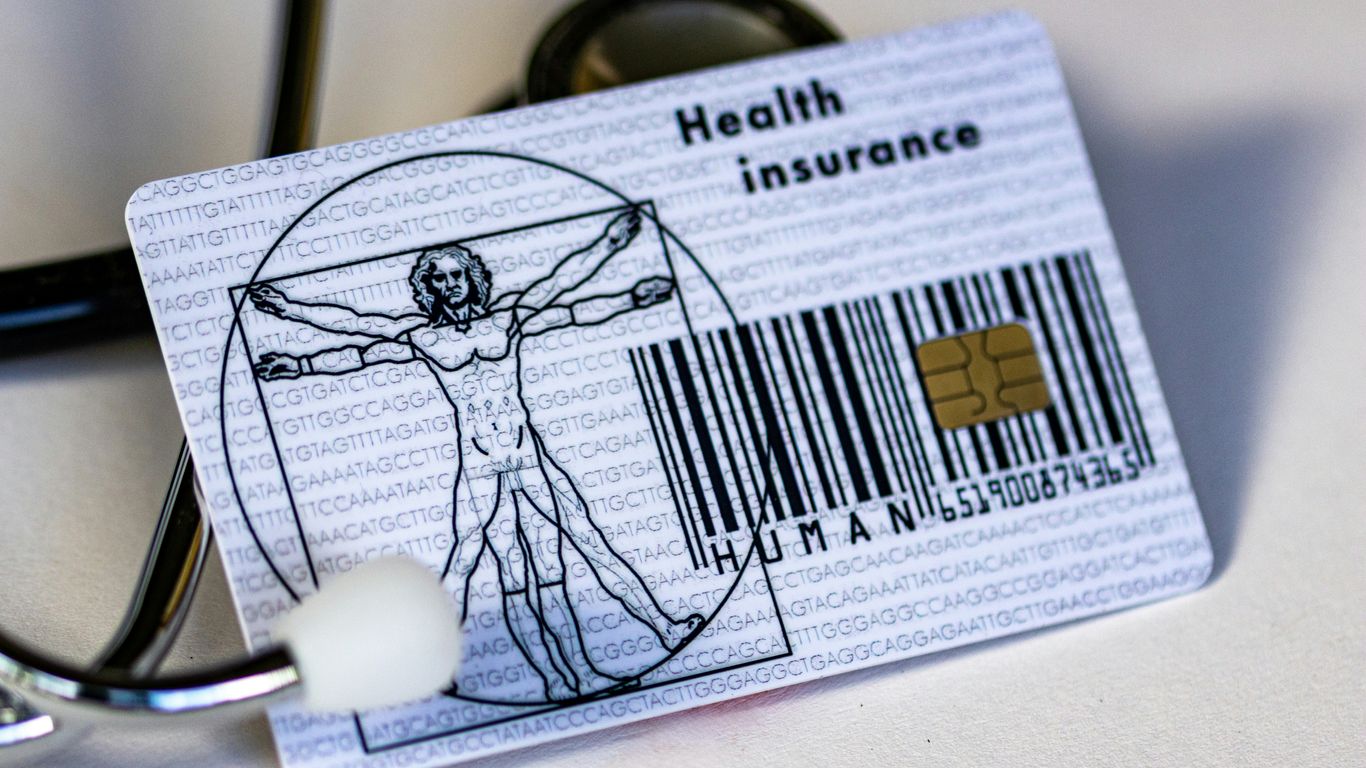
So, you've looked at all the options, weighed up public versus private, and maybe even spoken to a few people. Now comes the part where you actually have to pick something. It can feel a bit overwhelming, right? Like you're signing up for something that will affect you for years to come. And honestly, you're not wrong. This is a big decision, but it doesn't have to be a stressful one. The key is to take a step back and think about what really matters to you.
Prioritising Your Healthcare Needs
First off, what do you actually need from your health insurance? Think about your current health. Do you have any ongoing conditions? Are you planning any major life events soon, like starting a family? If you're generally healthy and don't foresee any big medical issues, you might be okay with a more basic plan. But if you know you'll need regular specialist visits or have a chronic condition, you'll want to make sure your chosen insurance covers that properly. It's not just about what you need today, but also what you might need down the line. For instance, if you have a family history of certain illnesses, it's wise to look at plans that offer good coverage for those specific conditions. This is where understanding the differences between public and private health insurance really comes into play.
Aligning Insurance with Your Long-Term Plans
Where do you see yourself in five, ten years? Are you planning to stay in Germany long-term? If so, you'll want a policy that grows with you. Public insurance is generally quite stable, but private plans can offer more flexibility if your circumstances change. Think about your career too. If you're self-employed now but might go back to being employed, or vice versa, how will that affect your insurance? It's worth considering how your insurance choice fits into your broader life plans.
Balancing Cost Against Comprehensive Coverage
This is often the trickiest part. We all want to save money, and it's tempting to go for the cheapest option. But here's the thing: the cheapest plan might not be the best value in the long run. If a policy has a really low monthly premium, it often means you'll pay more out-of-pocket when you actually need medical care. You might have higher deductibles or co-payments. It's a bit like buying a cheap car – it might get you from A to B, but it could break down more often and cost a fortune in repairs. You need to look at the total cost, not just the monthly bill. Sometimes paying a bit more each month for better coverage means you'll save money and stress when you're actually sick.
The Importance of Understanding Policy Details
Don't just skim the summary. Seriously, read the fine print. What exactly is covered? Are there any limits on certain treatments? What's the process for making a claim? Understanding these details now can save you a lot of headaches later. For example, some policies might have waiting periods for certain procedures, or they might not cover alternative therapies you're interested in. It's also worth checking what the hospital stay benefits are like – do you get a private room, or will you be in a shared ward? Knowing these things upfront is key.
Seeking Professional Advice from Insurance Experts
Look, nobody expects you to be an insurance whiz overnight. There are professionals out there whose job it is to help people like you figure this stuff out. They can look at your specific situation and recommend the best options. It's like going to a doctor when you're sick – you go to someone who knows what they're doing. They can explain the complex bits in plain English and help you avoid common mistakes. This is especially true if you're looking at private health insurance options.
Utilising Independent Brokers (Makler) Effectively
When you do seek advice, try to find an independent broker, often called a 'Makler' in Germany. Unlike agents who work for one company, independent brokers can compare policies from many different insurers. This means they're more likely to find a plan that truly suits your needs and budget, rather than just trying to sell you whatever they represent. They often have a good understanding of the German system and can guide you through the application process. Remember, their advice is usually free for you as the client, as they get paid a commission by the insurance company.
Avoiding Common Pitfalls in Insurance Selection
So, what are the traps to watch out for? Well, picking the cheapest plan is a big one, as we've discussed. Another is not considering your future needs – what if you get married, have kids, or develop a health issue later on? Also, don't be afraid to ask questions. If something isn't clear, keep asking until it is. It's better to be a bit annoying now than to be uninsured or underinsured when you really need help. Finally, make sure you understand the notice periods and rules for switching providers, just in case you need to change your plan down the line.
The Process of Applying for Health Insurance
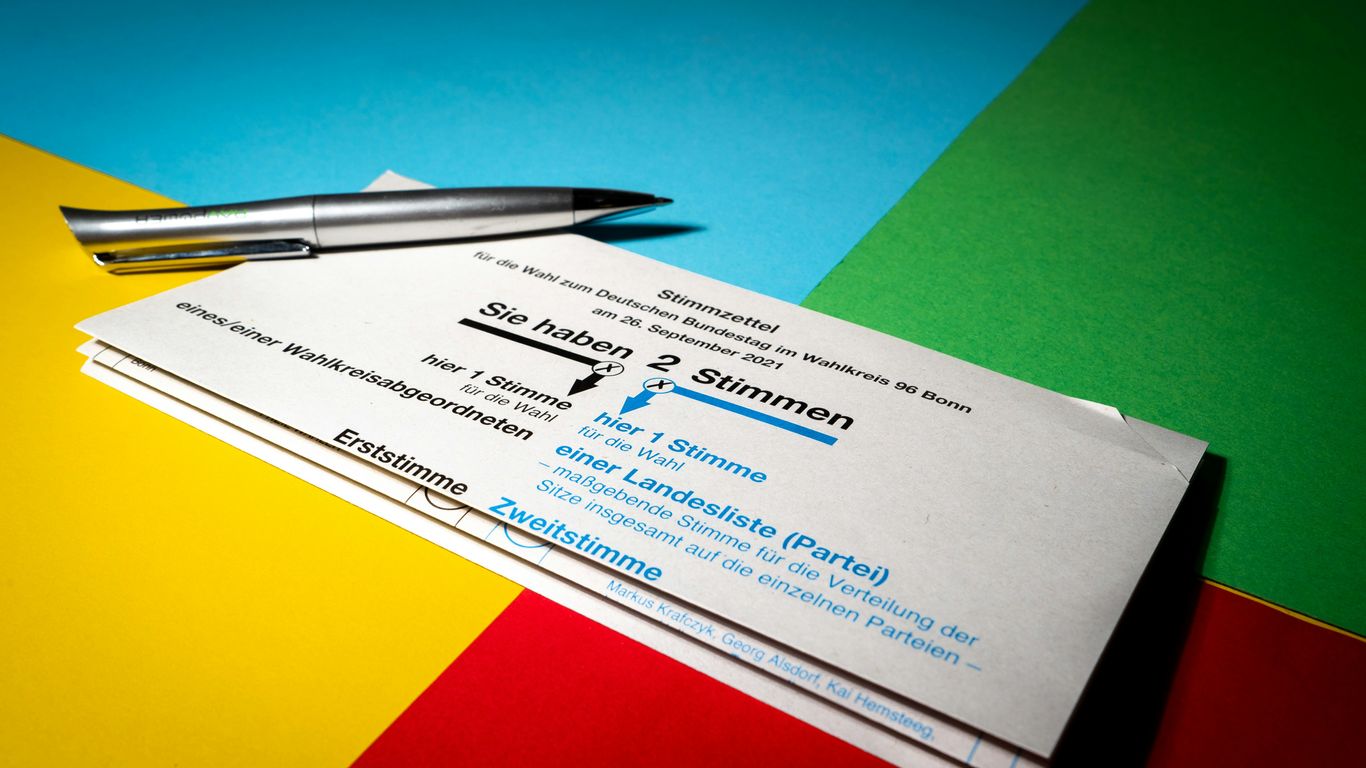
So, you've figured out whether you're leaning towards the public (GKV) or private (PKV) route for your health insurance in Germany. That's a big step! Now comes the part where you actually sign up. It's not usually a super complicated process, but there are a few things to keep in mind to make it go smoothly.
Required Documentation for Application
What you need can vary a bit depending on whether you're going for public or private insurance, and sometimes even between different providers. Generally, though, you'll need some form of identification. For public insurance, this might be your passport or ID card. For private insurance, they might ask for more details about your health history, which can include a medical questionnaire or even a check-up. It's always best to check the specific requirements of the insurer you're interested in.
- Passport or National ID card
- Proof of address (though sometimes not needed initially for expat insurance)
- For private insurance: details on pre-existing conditions, possibly a medical report
- For employees: employment contract details
Timeline for Receiving Insurance Confirmation
This is where things can differ quite a bit. If you're applying for expat insurance, especially for visa purposes, you can often get confirmation very quickly, sometimes within a day or two, as many providers have streamlined online processes. Public insurance might take a little longer to get your official confirmation, perhaps a few days to a week. Private insurance can take a bit more time, often around two weeks, especially if a medical assessment is involved. You'll usually get a temporary confirmation first, with the official documents following.
The Role of Your Employer in the Application Process
If you're employed in Germany, your employer plays a key role, particularly with public health insurance. They'll typically handle a good chunk of the enrollment process for you. They'll need to know which public insurer you've chosen so they can register you and start making the correct deductions from your salary. For private insurance, your employer will still need confirmation of your coverage, often a document called a 'Letter for Employer', which they'll use to calculate their contribution. They can't make the correct contributions without this proof.
Steps for Public Health Insurance Enrollment
Enrolling in public health insurance is usually quite straightforward. You'll first need to choose a Krankenkasse (public health insurer). Many people pick one of the larger ones like TK or Barmer, which often have good English-speaking support. Once you've chosen, you'll fill out their application form, which can often be done online. Your employer will then need to be informed so they can register you. You'll receive a confirmation of your membership, and eventually, your health insurance card will be sent to you. It's worth noting that even without the card initially, you can still access healthcare services.
Application Procedures for Private Health Insurance
Applying for private health insurance involves a few more steps. You'll need to get quotes from different providers and compare them carefully. The application itself is usually done online or via a broker. A significant part of the process for private insurance is the health assessment. Insurers need to gauge your risk, so they'll ask detailed questions about your medical history. Depending on the insurer and your answers, you might need to undergo a medical examination. Once approved, you'll receive your confirmation of coverage, which is vital for visa applications or for your employer.
Expedited Application for Expat Insurance
For those coming to Germany on a visa, especially for work or study, expat insurance is often a requirement. The good news is that these policies are typically designed for quick application and approval. Many providers offer online portals where you can complete the application in minutes. The key is to ensure the coverage dates align perfectly with your visa requirements and arrival date. You'll usually receive your insurance certificate electronically very quickly, which you'll need for your visa application.
Health Checks Required for Private Insurance
As mentioned, private health insurance providers in Germany often require a health check. This isn't always a full-blown medical examination; it can sometimes be a detailed questionnaire about your past and present health. However, for certain conditions or higher coverage levels, a doctor's visit might be necessary. The purpose is for the insurer to assess potential risks and determine your premium. It's important to be honest and thorough in this process, as any inaccuracies could lead to issues later on.
Understanding Your Insurance Documents
Once your health insurance application is approved, you'll receive a set of important documents. These papers are your proof of coverage and are vital for various administrative processes in Germany. It's a good idea to keep them somewhere safe and accessible.
Receiving Your Insurance Card
If you're enrolled in public health insurance (GKV), you'll be issued a health insurance card, often called a 'Versichertenkarte'. This card is your key to accessing medical services. You'll need to present it every time you visit a doctor or go to a hospital. It typically arrives within two to four weeks after your enrollment is finalised. While you wait for the physical card, you can still receive medical care, and your insurer will provide temporary proof of coverage. For those with private health insurance (PKV), the process is a bit different. You usually won't receive a physical card in the same way. Instead, you might pay for medical expenses upfront and then submit claims for reimbursement from your insurer. This is why having a confirmation of coverage is so important for PKV members.
Proof of Health Insurance Documentation
Regardless of whether you have public or private insurance, you'll receive official documentation confirming your coverage. For public insurance, this might be a 'Mitgliedsbescheinigung' (membership certificate). If you have private insurance, you'll receive a 'Versicherungsbescheinigung' (confirmation of insurance). These documents are crucial, especially when you're applying for a visa or a residence permit. They serve as official proof that you meet the mandatory health insurance requirements in Germany, which is a condition for obtaining these permits. It's wise to have digital and physical copies of these important papers.
Understanding Policy Summaries
Your insurance provider will also supply a summary of your policy. This document outlines the key benefits, coverage limits, and any deductibles or co-payments you might be responsible for. It's written in a way that's hopefully easier to understand than the full, lengthy policy terms and conditions. Take the time to read through this summary carefully. It helps you grasp what your insurance covers and what it doesn't, preventing any surprises down the line. Pay attention to details regarding hospital stays, specialist visits, and prescription costs.
What to Expect After Successful Application
After your application is successfully processed, you can expect to receive your insurance card (for GKV) and confirmation documents. If you're privately insured, you'll get your confirmation of coverage, which is often sent directly to you or your employer. Your insurer will also typically inform your employer about your coverage, especially if they contribute to your premiums. This confirmation is also what you'll need if you're enrolling in university or changing employment. It's a good idea to check with your insurer if you haven't received your documents within the expected timeframe.
Digital Access to Insurance Information
Many German health insurers now offer digital access to your insurance information. This often comes in the form of a mobile app or an online portal. Through these platforms, you can usually view your policy details, track claims, download documents, and sometimes even find digital versions of your insurance card. This digital access can be incredibly convenient, allowing you to manage your insurance on the go. It's worth checking if your provider offers such services and downloading their app if they do.
Keeping Your Insurance Documents Secure
It's really important to keep all your insurance-related documents safe. Think of them like your passport or ID – they're essential. Store them in a secure place at home, like a file cabinet or a dedicated folder. For digital copies, use secure cloud storage or back them up on an external hard drive. You'll need these documents for various official purposes, and having them readily available will save you a lot of hassle. If you ever lose them, contact your insurance provider immediately to get replacements.
Information Contained on Your Insurance Card
Your health insurance card, particularly the GKV 'Versichertenkarte', contains vital information. It typically includes your name, date of birth, a unique insurance number, and the name of your health insurance provider ('Krankenkasse'). This information allows healthcare providers to identify you and bill your insurance company correctly. Some cards might also include emergency contact details or information about supplementary coverage. Always ensure your card is up-to-date and that the details are correct. If you notice any errors, report them to your insurer promptly.
Switching Your Health Insurance Provider
So, you've been living in Germany for a while, and maybe your circumstances have changed, or you've just realised your current health insurance isn't quite cutting it anymore. It happens! Deciding to switch your health insurance provider is a big step, and it's important to know the rules of the game.
Regulations for Switching Public Insurers
If you're currently with a public health insurer, known as a Krankenkasse, switching isn't usually too complicated, but there's a catch. Generally, you need to have been with your current Krankenkasse for at least 18 months before you can switch to another public provider without any issues. Think of it as a minimum commitment period. Once that time is up, you're free to explore other options. It's a good idea to compare what different Krankenkassen offer, as some might have slightly better perks or services, even within the public system.
Minimum Membership Periods for Krankenkassen
As mentioned, the standard rule for public insurance is that you need to stick with your chosen Krankenkasse for a minimum of 18 months. This applies if you want to switch without any special reasons or potential penalties. If you have a specific reason to switch earlier, like a significant change in your personal situation, it might be possible, but it's best to check the specific terms and conditions of your current insurer.
Transitioning from Public to Private Insurance
This is where things get a bit more involved. Moving from the public system (GKV) to private health insurance (PKV) is possible, but only if you meet certain eligibility criteria. Usually, this means your income needs to be above a specific threshold, or you're self-employed. You'll likely need to provide proof of income, such as employment contracts or tax documents, to demonstrate your eligibility for private insurance. If you qualify, you typically have a two-month notice period to make the switch. However, be aware that moving to private insurance is often a long-term decision, as it can be quite difficult to switch back to the public system later on. It's a decision that requires careful thought and perhaps some expert advice.
Notice Periods for Changing Insurers
When you decide to switch, there's usually a notice period you need to observe. For public insurance, once you've met the minimum membership period, you can usually switch with a one-month notice period, effective at the end of the following month. For private insurance, the notice period can vary depending on your contract, but it's often around two months. Always check your policy documents or speak to your provider to confirm the exact notice period.
Challenges of Rejoining the Public System
If you've moved from public to private health insurance, getting back into the public system can be tricky. It's not impossible, but it often depends on your age and employment status. For instance, if you become employed again and your income falls below the threshold for private insurance, you might be able to rejoin the public system. However, if you're older or self-employed, it can become significantly harder, and sometimes even impossible. This is a major reason why the decision to go private should be well-considered.
Informing Your Employer of Changes
If you're employed, your employer plays a role in your health insurance contributions. When you switch providers, especially from public to private, you absolutely must inform your employer. They need to adjust their contributions accordingly. Usually, you'll need to provide your new insurance details to the HR department. This ensures that your contributions are calculated correctly and that there are no gaps in your coverage or payment issues.
When to Consider Switching Providers
There are several reasons why you might think about switching. Perhaps your income has increased significantly, making you eligible for private insurance, which might offer benefits you prefer. Maybe you've experienced a change in your family situation, like getting married or having children, and your current plan doesn't cover dependents adequately. Or, you might simply be unhappy with the service or coverage of your current Krankenkasse or private insurer. Ultimately, the best time to switch is when your current insurance no longer aligns with your needs, budget, or healthcare expectations. It's always worth comparing health insurance in Germany periodically to make sure you're getting the best deal for your situation.
Additional Insurance Considerations
Beyond the main health insurance, there are a few other types of insurance that are really worth thinking about in Germany. They might not be strictly health-related, but they can save you a lot of hassle and money down the line.
The Importance of Liability Insurance
This one is pretty big. It's called Haftpflichtversicherung in German, and honestly, most people living here have it. It basically covers you if you accidentally cause damage to someone else's property or injure someone. Think about it – if you accidentally break a valuable item in a shop, or if your dog causes an accident, this insurance could step in. It's usually quite affordable, often costing just a few euros a month. It's considered by many to be the second most important insurance after health insurance.
Understanding Travel Health Insurance Coverage
While your main German health insurance might cover you within the EU, it's a different story when you go further afield. Travel health insurance is specifically designed for trips outside of Germany. It can cover medical emergencies, hospital stays, and even repatriation if you get seriously ill abroad. Some private health insurance plans might include a bit of travel cover, but it's often limited. For frequent travellers, a separate, dedicated policy is usually the way to go. It's often surprisingly cheap, too.
When Job Disability Insurance is Recommended
This is also known as Berufsunfähigkeitsversicherung. It's a bit more serious and generally recommended if you have financial responsibilities, like a family to support or a mortgage. If you become unable to work due to illness or injury, this insurance provides you with a regular income. It's not cheap, but the peace of mind it offers can be immense, especially if your ability to earn is your primary source of income.
The Benefits of Occupational Disability Insurance
Occupational disability insurance is very similar to job disability insurance, focusing on your ability to perform your specific job. The key difference often lies in the definition of disability and the payout structure. It's designed to replace a portion of your income if you can no longer carry out your profession. Again, this is particularly relevant for those whose livelihood depends heavily on their physical or mental capacity to work in a specific field.
Integrating Travel Insurance with Your Policy
Sometimes, your existing travel insurance might already have some overlap with what your main health insurance offers. It's worth checking the details of both policies to see if there's any redundancy or if one policy can supplement the other. For instance, if your private health insurance offers good worldwide cover for a limited time, you might only need extra cover for longer trips or specific activities.
Considering Supplementary Dental Coverage
Public health insurance in Germany covers basic dental care, but it often doesn't stretch to more complex treatments like crowns, bridges, or implants. If you know you'll need significant dental work, or if you simply want better coverage for routine care like professional cleanings, a supplementary dental insurance plan (Zahnzusatzversicherung) can be a good idea. These plans can significantly reduce your out-of-pocket expenses for dental treatments.
The Value of Additional Wellness Benefits
Some private health insurance plans, and even some supplementary policies, might include benefits related to wellness. This could cover things like gym memberships, physiotherapy, or even certain alternative therapies. While not a primary concern for everyone, if you're focused on preventative health and well-being, looking for these extra perks can add value to your overall insurance package.
Key Factors Influencing Insurance Costs
When you're looking at health insurance in Germany, the price tag can seem to swing quite a bit. It's not just a one-size-fits-all situation, and several things play a role in how much you'll end up paying each month. Understanding these factors can help you get a clearer picture and make a more informed choice.
Income Thresholds and Their Impact on Premiums
For public health insurance (GKV), your income is the main driver of your premium. It's calculated as a percentage of your gross salary. This means if you earn more, you pay more, and if you earn less, you pay less. There's a ceiling, though, called the Beitragsbemessungsgrenze. Once your income hits this limit, your contributions won't go up any further, regardless of how much more you earn. This system is designed to make public insurance affordable for everyone, regardless of their earnings.
Age and Health Status in Premium Calculations
With private health insurance (PKV), things are a bit different. Your age when you first take out the policy is a big deal. Younger people generally pay less because they're seen as a lower risk, and insurers also set aside a portion of your premium for future healthcare needs, which is cheaper when you're young. Your health condition at the time of application is also critical. If you have pre-existing conditions, you might face higher premiums or even be rejected by some insurers. Once you're in, though, your health status generally doesn't affect your premiums anymore.
Coverage Levels and Their Effect on Price
What you want your insurance to cover naturally affects the cost. Public insurance offers a standard package of benefits. If you want extra perks, like better hospital rooms or more extensive dental care, you might need to look at supplementary insurance. Private insurance, on the other hand, allows you to pick and choose your benefits. Want direct access to specialists without a referral? Need coverage for alternative therapies? These extras will bump up the price. The more comprehensive the coverage you opt for, the higher the premium will be.
The Influence of Deductibles and Co-payments
Many private health insurance plans offer the option of a deductible, known as a Selbstbehalt. This is the amount you agree to pay out-of-pocket for medical services each year before your insurance starts covering the rest. Choosing a higher deductible can significantly lower your monthly premiums. It's a trade-off: you pay less each month, but you'll have to cover more costs yourself if you need medical treatment. Some plans also offer a refund at the end of the year if you haven't used your insurance much.
Cost Variations Between Public and Private Insurers
While public health insurance providers (Krankenkassen) all offer pretty similar core benefits and their contribution rates are largely set by law, there can be slight differences in additional services or bonus programmes that might influence your choice. Private insurers, however, can vary much more in price and what they offer. It's not just about the headline premium; you need to look closely at the details of what's included and excluded.
Factors Affecting Expat Health Insurance Pricing
For expats, especially those on temporary visas or specific programmes, there's often a category of 'incoming' or expat insurance. The pricing for these policies can depend on the duration of your stay, the level of coverage required for visa purposes, and your age. Sometimes, these policies have limitations compared to standard German insurance, which can keep costs down, but it's vital to ensure they meet your actual healthcare needs and visa requirements.
The Long-Term Cost Implications of Policy Choices
It's easy to get caught up in the monthly premium, but think about the long game. With public insurance, your costs generally track your income over your career. Private insurance, however, can become more expensive as you age, especially if you didn't opt for policies with robust old-age provisions. Also, consider the difficulty of switching back to public insurance if you choose private later on; you could be locked into higher costs. Making the right choice upfront can save you a lot of money and hassle down the line.
Choosing the Right Insurance Broker
Trying to figure out health insurance in Germany can feel like a maze, especially when you're new to the country. There are so many options, and the rules can be a bit confusing. This is where a good insurance broker can really make a difference. They're like your personal guide through all the paperwork and choices.
The Benefits of Working with an Independent Broker
When you're looking for insurance, you'll come across different types of advisors. It's important to know the difference between an agent and a broker. An agent usually works for just one or a few insurance companies, meaning they'll only show you those specific options. A broker, on the other hand, is independent. They work with many different insurance providers, so they can compare a wider range of policies to find one that genuinely suits you. This independence means they're more likely to recommend the best policy for your situation, not just the one that pays them the most. They can look at plans from various companies, which is really helpful when you're trying to find the best fit.
Identifying Brokers Experienced with Immigrants
If you're not a German native, finding a broker who understands the specific challenges and needs of immigrants is a big plus. They'll know about visa requirements, how your residency status might affect your insurance, and can explain things in a way that makes sense to you. Some brokers even speak English, which makes the whole process much smoother. They're used to dealing with people who might not be familiar with the German healthcare system, and that kind of experience is invaluable. You can often find these specialists by looking for services that specifically mention helping immigrants find private health insurance.
Distinguishing Brokers from Insurance Agents
As mentioned, the key difference lies in their affiliation. Agents represent specific companies, while brokers represent you. Think of it like shopping at a department store (agent) versus a shopping mall with many different boutiques (broker). A broker's job is to find the best deal across the market for you. They don't have a vested interest in pushing one particular company's product.
How Brokers Compare Multiple Insurance Providers
Brokers have access to comparison tools and databases that let them see many different insurance plans side-by-side. They can look at:
- Coverage details
- Premium costs
- Waiting periods
- Specific benefits (like dental or vision)
- Exclusions and limitations
They'll take your personal circumstances – like your age, health, income, and lifestyle – and match them against the available policies. This saves you a huge amount of time and effort.
Seeking Expert Advice for Complex Situations
Sometimes, your situation might be a bit unusual. Maybe you're self-employed, have a pre-existing medical condition, or need insurance for a specific visa type. In these cases, a general comparison might not be enough. A good broker will have the knowledge to handle these complexities. They can explain why certain policies might be better or worse for you and help you avoid common mistakes that could cost you a lot of money down the line. For instance, choosing a cheap policy that doesn't cover what you actually need can be a costly error.
The Value of Free Consultation Services
Many brokers offer their services for free to the client. How do they get paid? Usually, they receive a commission from the insurance company once you sign up for a policy. This means you can get professional advice without upfront costs. It's a good idea to ask about their fee structure upfront, but generally, their advice is free for you. This makes getting expert help accessible to everyone.
Choosing a Broker Who Understands Expat Needs
When you're living abroad, your insurance needs can be quite different. You might need coverage that's specifically designed for people who are new to Germany, or you might have specific visa requirements to meet. A broker who has experience with expats will understand these nuances. They can help you find policies that are suitable for your temporary or long-term stay, and that meet any legal obligations. They can also help you understand how your insurance works with the German healthcare system, which can be a big relief when you're trying to settle in.
Understanding Waiting Periods and Access to Care
Typical Waiting Times for Specialist Appointments
When you're looking at health insurance in Germany, one thing that often gets overlooked is how long you might have to wait to see a doctor, especially a specialist. It’s not always straightforward, and it can really affect your experience with the healthcare system. Public insurance, while covering a lot, can sometimes mean longer waits for non-urgent appointments. You might find yourself waiting weeks, or even months, for certain specialist consultations. This is partly because the system is designed to prioritise urgent cases and ensure everyone gets basic care, but it does mean that elective treatments or check-ups might take a while to schedule. It's a trade-off for the widespread accessibility of the public system.
How Public Insurance Affects Appointment Scheduling
With public health insurance (GKV), the process usually involves seeing your GP first. They act as a gatekeeper, and you'll often need a referral from them before you can book an appointment with a specialist. This system helps manage the flow of patients and ensures that specialists see those who genuinely need their expertise. However, it adds an extra step and can contribute to longer overall waiting times. For example, if you have a persistent cough, you'll see your GP, get a referral for a lung specialist, and then wait for that appointment. It's a structured approach, but it does mean you can't just call up a specialist directly for a routine check-up.
Advantages of Private Insurance for Timely Care
Private health insurance (PKV) often offers a different experience when it comes to getting appointments. Many private policies allow you to go directly to specialists without needing a referral from your GP. This can significantly cut down on waiting times. You might also find that private clinics and specialists set aside specific times for their private patients, meaning you could get an appointment much sooner than someone with public insurance. This faster access can be a major draw for those who value immediate attention or have non-urgent but bothersome health concerns. It's one of the key differences people consider when weighing up public versus private options.
Factors Influencing Appointment Availability
Several things can influence how quickly you can get an appointment. The specific medical field plays a big role; seeing a dermatologist might take longer than seeing a general surgeon, for instance. Location also matters – appointments in major cities might be easier to get than in rural areas, or vice versa, depending on the concentration of specialists. The time of year can also have an impact, with some periods seeing higher demand for certain types of care. Even the specific doctor or clinic you choose can make a difference; some have more flexible scheduling than others. It's worth doing a bit of research into the specific specialists you might need.
The Impact of Waiting Times on Treatment Outcomes
Long waiting periods can sometimes affect how well a treatment works. If a condition is left untreated for too long, it might become more serious or harder to manage. For example, a delay in diagnosing a skin condition could allow it to spread, or a wait for physiotherapy might mean a joint becomes stiffer. This is where the speed of access offered by private insurance can be particularly beneficial for certain situations. However, for many common ailments, the waiting times within the public system are manageable and don't significantly impact the final outcome. It really depends on the specific health issue.
Strategies to Mitigate Long Waiting Periods
If you're with public insurance and facing long waits, there are a few things you can try. Firstly, be persistent and call clinics regularly to see if any appointments have been cancelled. Sometimes, you can get in sooner if someone else has had to reschedule. Secondly, consider travelling to a nearby town or city for your appointment if that’s feasible; sometimes, availability is better outside of major urban centres. You could also discuss with your GP if there are any alternative treatments or management strategies you can use while you wait. For those considering private insurance, understanding the direct access benefits is key. If you're an expat, you might also look into expat insurance options that can provide quicker access, especially during initial waiting periods for provincial coverage.
Comparing Waiting Times Across Different Insurers
While the general distinction between public and private insurance holds true, there can still be variations between different public insurers (Krankenkassen) and private plans. Some public insurers might have better networks or agreements with certain clinics, potentially leading to slightly shorter waits for their members. Similarly, private insurance policies differ in their coverage and the speed of access they guarantee. It's always a good idea to compare not just the premiums and benefits but also the practical aspects like typical waiting times for specialists when you're making your choice. Remember, primary care practices generally experience shorter wait times than specialists, which is a good point to keep in mind when assessing your options.
Specific Considerations for Freelancers and Self-Employed
Being self-employed or a freelancer in Germany means you're in charge of your own health insurance. It's not as straightforward as being employed, where your employer usually sorts things out. You've got a few paths you can take, and picking the right one is pretty important for your peace of mind and your wallet.
Eligibility for Public vs. Private Insurance
For freelancers, the lines between public and private health insurance can get a bit blurry. Generally, if your income is below a certain threshold (the Jahresarbeitsentgeltgrenze or JAEG, which changes annually), you might be eligible for public health insurance (GKV). However, many freelancers find that their income fluctuates, or they prefer the predictability of private insurance (PKV). If your income is consistently above the JAEG, you can opt for private insurance. It's worth noting that some freelancers, especially those new to Germany or with specific visa requirements, might find that public insurers are hesitant to accept them, making private insurance the only viable option. This is a common reason why many seek advice on Germany's health insurance system.
Navigating Insurance Rejection Risks
It's not unheard of for freelancers to be rejected by both public and private insurers. Public insurers might see you as a higher risk due to irregular income, while private insurers might be wary of pre-existing conditions or the potential for high future claims. If you've been turned down, don't panic. It often means you need to look at different providers or get some expert help to understand why you were rejected and how to approach it differently. Sometimes, a specific type of insurance, like expat insurance, might be a temporary solution while you sort out long-term coverage.
The Importance of Expert Advice for Freelancers
Seriously, don't try to figure this all out on your own. The rules can be complex, and making the wrong choice can lead to unexpected costs or gaps in coverage. An insurance broker who specialises in freelancers can be a lifesaver. They know the ins and outs of the system and can help you compare different policies to find one that truly fits your situation. Their advice is often free, as they get paid by the insurance companies.
Choosing Appropriate Coverage for Self-Employed Individuals
When you're self-employed, your health insurance needs might differ from those of an employee. You might want to consider coverage that includes:
- Generous sick pay: Since you don't have an employer paying you when you're ill, having a good sick pay benefit within your insurance is vital.
- Coverage for specific treatments: If you have particular health needs or want access to alternative therapies, ensure your policy covers them.
- Dental care: Public insurance often has limited dental coverage, so you might want to add this on.
Understanding Contribution Obligations
Your contributions to health insurance are usually based on your income. For public insurance, this means your monthly payments will go up and down with your earnings. With private insurance, premiums are often based on your age, health status, and the level of coverage you choose, rather than your current income. However, if your income is high, private insurance can sometimes be more cost-effective than public insurance.
Potential Pitfalls of Opting for the Cheapest Plan
It's tempting to go for the cheapest option available, especially when you're starting out as a freelancer. But this can be a false economy. The cheapest plans often have limited coverage, high deductibles, or may not cover you adequately in case of a serious illness. This can lead to significant out-of-pocket expenses down the line. Always read the fine print and understand exactly what is and isn't covered before signing up.
Securing Insurance for Visa Applications as a Freelancer
If you're in Germany on a freelance visa, you'll need to prove you have adequate health insurance. This is a common point where applications get rejected. Insurers might require a certain level of coverage or specific policy terms. If you're struggling to get approved, an expert can help you find a policy that meets visa requirements, which is often a prerequisite for your application.
The Role of Age and Life Stage in Insurance Choices
When you're figuring out health insurance in Germany, your age and where you are in life really matter. It's not a one-size-fits-all situation, and what works for a young student might be completely wrong for someone starting a family or nearing retirement.
Insurance Options for Younger Individuals
If you're just starting out, perhaps as a student or in your first job, you're likely looking for something affordable and straightforward. Public health insurance (GKV) is often the default and most sensible choice here. Premiums are usually income-dependent, so if your earnings are low, your contributions will be too. Some private plans might seem appealing with promises of quicker appointments, but they can be more expensive long-term, especially if you don't have a high, stable income. For those planning to leave Germany within a few years, short-term private insurance without old-age provisions can be a significantly cheaper alternative.
Considerations for Students and Insurance Eligibility
Students generally have specific insurance pathways. Under 30, most students are required to be in public health insurance. However, if you're over 30 and still studying, or if you're a non-EU student, you might find yourself ineligible for GKV. In these cases, private health insurance or specialised expat insurance becomes a necessary consideration. It's important to check the exact rules, as they can change. Getting the right insurance is key to your visa application if you're coming from outside the EU.
Navigating Insurance as a Professional
Once you're established in your career, your income level becomes a major factor. If your salary crosses the annual income threshold (which changes yearly), you become eligible for private health insurance (PKV). Many professionals opt for PKV because it can be cheaper than GKV when income is high, as premiums aren't directly tied to earnings. It also often comes with benefits like faster access to specialists and more comfortable hospital stays. However, remember that switching back to GKV later can be tricky.
Insurance Needs for Families and Dependents
Starting a family brings a whole new set of insurance considerations. Public health insurance offers family coverage, where a non-working spouse and children can be insured under the primary policyholder's contributions, often at no extra cost. This is a big plus for many families. Private insurance, on the other hand, requires separate premiums for each family member, including children, though child and youth rates are usually lower than adult ones. You'll need to weigh the costs and benefits carefully, especially regarding maternity and childcare coverage.
Specifics for Individuals Over 30 Years Old
Reaching the age of 30 can sometimes change your insurance options, particularly for students or those who haven't been in the German system for a while. As mentioned, students over 30 might need to look at private or expat insurance. For others, if you've been in GKV, your contributions will start to increase more noticeably as you get older. If you're considering PKV, joining younger generally means lower premiums because insurers factor in your age and health status at the start. The demographic shift towards an older population in Europe means long-term care is a growing concern. [518b]
Insurance Planning for Later Life Stages
As you approach retirement, your insurance needs might shift again. While GKV continues to cover you, premiums remain income-dependent. If you've been in PKV for a long time, your premiums can increase significantly with age, and you'll need to have built up sufficient old-age provisions. It's also worth considering supplementary insurance for things like dental care or additional hospital benefits. Historically, European households relied more on public systems, but private options are becoming more relevant for specific needs later in life. [740a]
How Age Affects Premium Calculations
Age is a significant factor in how your premiums are calculated, especially for private health insurance. The younger you are when you join PKV, the lower your initial premiums will likely be, as insurers assume you're healthier and have a lower risk. Insurers also set aside a portion of your contributions for future old-age provisions, which is more substantial if you start younger. For GKV, age doesn't directly impact your contribution rate, which is based solely on your income, but the overall cost of healthcare services can be influenced by the age demographics of the insured population.
Ensuring Comprehensive Coverage for Your Family
When you're setting up your life in Germany, thinking about your family's health is a big part of that. It's not just about you anymore, right? You want to make sure everyone's looked after, especially if you have little ones or a partner who isn't working. Germany's health insurance system has some pretty good options for families, but you do need to know how they work.
Public Insurance Family Coverage Benefits
If you're in the public health insurance system (GKV), there's a real plus point: family members can often be covered under your policy without any extra monthly cost. This is called Familienversicherung, or family insurance. It's a big relief for many households, especially if one parent stays home or if incomes are a bit tight. The main condition is that your family members generally shouldn't be earning more than a certain amount each month. For 2025, this threshold is typically around €538 per month. If they earn more, they might need their own insurance.
Eligibility for Spouses and Children
So, who exactly can be included in this family coverage? Generally, it includes:
- Your spouse or registered civil partner.
- Your biological and adopted children. Coverage usually lasts until they're 18. If they're not employed, this can extend to age 23. If they're studying, in vocational training without pay, or doing unpaid volunteer work abroad, it can go up to age 25.
- Children of your family-insured children (your grandchildren, if they live with you).
- Stepchildren and grandchildren who live in your household.
- Foster children, provided they aren't in professional care.
It's quite a broad scope, which is good news for most families.
Income Thresholds for Dependent Coverage
As mentioned, the income of your dependents is key. For public insurance, the limit is usually around €538 per month (this can change slightly year to year). This is a fairly low threshold, meaning most children and non-working spouses will easily qualify. If a spouse or older child earns more than this, they'll likely need to get their own public or private insurance policy. This is something to keep an eye on if someone in the family starts a part-time job or takes on freelance work.
Private Insurance Options for Family Members
If you're privately insured (PKV), covering your family works a bit differently. You can add them to your policy, but it will cost extra, and the premiums are calculated per person. Unlike public insurance, there isn't a single family policy that covers everyone for one price. Also, the income threshold for dependents to be covered under your PKV policy is often lower than in the GKV system, sometimes around €470 per month. If they exceed this, they'll need their own individual PKV policy. It's worth noting that private insurance might have more restrictions on pre-existing conditions for family members compared to public insurance.
Comparing Family Plans Across Insurers
Even within the public system, different Krankenkassen (insurance funds) might have slight variations in how they handle certain supplementary benefits or administrative processes for families. When comparing private options, the differences can be much larger. Some might offer better coverage for specific treatments, while others might have more exclusions. It's not just about the monthly premium; it's about what's actually covered for your children's specific needs, like dental care or potential orthodontic work.
The Importance of Maternity and Childcare Coverage
Germany has excellent provisions for maternity and childcare. Public health insurance covers:
- Prenatal check-ups and necessary medical care during pregnancy.
- Childbirth, including midwife support.
- Postnatal care.
- Basic vaccinations for children.
Private insurance also covers these, often with added perks like a private hospital room or more choice in doctors. If you're planning a family or already have young children, checking the specifics of maternity and childcare coverage is a must.
Ensuring Continuous Coverage for All Family Members
It's vital that there are no gaps in your family's health insurance. This means keeping track of income thresholds, especially if a family member starts working. If someone turns 18 or 25, their eligibility for family coverage might change, and they'll need to transition to their own policy. For private insurance, you need to be mindful of renewal dates and any changes in your family's health status that might affect premiums or coverage upon renewal. Maintaining continuous coverage prevents unexpected costs and ensures everyone has access to necessary medical care when they need it.
Making sure your family is covered is super important. We help you find the right plans to keep everyone safe and sound, no matter what life throws your way. Don't leave your family's future to chance; explore your options today!
Wrapping Up Your Health Insurance Choice
So, picking health insurance in Germany might seem a bit much at first, especially with all the options. But really, it boils down to looking at your own situation – like how much you earn and what you need health-wise. Whether you end up with public or private cover, the main thing is that you're sorted and can get the care you need without too much fuss. Don't be afraid to ask for help if you're unsure; there are people who can guide you through it. Getting this right means you can focus on enjoying your life in Germany, knowing your health is looked after.
Frequently Asked Questions
Is health insurance really a must in Germany?
Yes, absolutely! Everyone living in Germany, no matter if you're a citizen or just visiting for a while, needs to have health insurance. It's the law, and it means everyone can get medical help when they need it, without worrying about the cost too much.
What's the difference between public and private health insurance?
Think of public health insurance (GKV) as the standard option for most people, especially if you earn less than a certain amount each year. Private health insurance (PKV) is usually for those who earn more or are self-employed. Public insurance is non-profit and contributions are based on your income. Private insurance costs can be more flexible and might offer different benefits.
How do I know if I should get public or private insurance?
Your income is the main clue! If you earn below a certain yearly amount (which changes a bit each year, so always check the latest number), you generally have to go with public insurance. If you earn more, or if you're self-employed, you might be able to choose private insurance. Your job status and residency also play a part.
Can my family be covered by my health insurance?
Yes, if you have public health insurance, your close family members, like your spouse and children, can often be covered under your plan for free, as long as they don't earn much money themselves. It's a great perk for families!
What if I have a health problem before I get insurance?
If you choose public health insurance, don't worry! Existing health issues are covered, and they won't make your payments go up. With private insurance, it's a bit different; they might charge you more or have some limits on what they cover for those conditions.
Will I have to wait a long time to see a doctor with public insurance?
Sometimes, yes. People with public insurance might have to wait a bit longer for appointments with specialists compared to those with private insurance. Private insurance often means quicker access to doctors and treatments.
Can I switch my health insurance provider?
You can, but there are rules. If you're in public insurance, you usually have to stay with your current provider for at least 18 months before you can switch to another public one. Switching from public to private is possible if you meet the requirements, but going back to public insurance from private can be tricky.
What is 'expat insurance' and when do I need it?
Expat insurance, sometimes called 'incoming insurance', is often for people who have just arrived in Germany and need temporary cover, especially for visa applications. It might be your only option if you're a student over 30 or a freelancer who couldn't get into public or private insurance.
What kind of medical care does public insurance cover?
Public insurance generally covers things like visits to your regular doctor and specialists, hospital stays (usually in a shared room), prescription medicines, and basic dental care. It also covers things like maternity care and provides sick pay if you're ill for a while.
Does private insurance offer better hospital rooms?
Often, yes! Private insurance plans can give you perks like a private hospital room, quicker access to see specialists, and sometimes coverage for treatments that aren't included in public plans, like certain alternative therapies or more advanced dental work.
How much does health insurance cost in Germany?
The cost really depends. For public insurance, it's a percentage of your income, shared with your employer. Private insurance costs can vary a lot based on your age, health, and how much coverage you want. Expat insurance is often cheaper but might not be a good long-term choice.
Should I use an insurance broker?
Using an independent insurance broker (a 'Makler') can be really helpful, especially if you're new to Germany. They can compare different options from various companies and help you find a plan that truly fits your needs, rather than just pushing one company's products. Their advice is often free!