
On this page
Germany's approach to ethical investing is really changing. It seems like everyone's talking about sustainable finance these days, and 2026 is shaping up to be a big year for it.
The country is trying to catch up in some areas, especially when it comes to integrating finance with climate goals.
There's a lot of focus on ESG, and while there are definitely challenges, like getting regular people involved and dealing with greenwashing, the overall direction is towards more responsible investment. It's not just about making money anymore; it's about making a difference too.

Financial Advisory for Expats in Germany
In our free digital 1:1 consultation, our independent investment advisors help you develop a plan for your wealth accumulation that fits your financial goals.
Key Takeaways
- Sustainable investments in Germany saw significant growth, driven by both institutional and retail investors seeking more transparency on environmental and social impacts.
- The EU's regulatory push, including the CSRD and Taxonomy Regulation, is central to Germany's ESG agenda, expanding reporting duties for businesses.
- Despite its reputation as an energy transition leader, Germany has been slower than some European peers in integrating sustainable finance into its climate policy.
- Retail investor engagement in ethical investing is hampered by a general skepticism towards financial markets and a lack of clear information and advice from banks.
- Addressing greenwashing remains a major concern, with a lack of legal mechanisms to penalise misleading advertisements from financial institutions.
- Germany's banking sector, with its unique three-pillar structure, is increasingly involved in ESG, though public and cooperative banks are urged to better recognise green finance market potential.
- The trend towards ESG is solidifying, moving from 'soft law' to binding 'hard law', with climate neutrality and human rights gaining prominence.
- While there's no evidence of long-term negative impacts on returns, integrating ESG criteria is becoming a business case for risk mitigation and long-term value creation.
The Evolving Landscape Of Ethical Investing Germany
Germany's approach to ethical investing is really changing, and it's happening faster than you might think. For a long time, the country was known for its strong industrial base and perhaps a more traditional view of finance. But now, there's a definite shift towards sustainability, driven by a mix of public interest and new rules. It feels like the whole financial sector is waking up to the fact that how money is invested has a real-world impact.
Growth Trajectory Of Sustainable Investments
The amount of money being put into sustainable investments in Germany has shot up. It's not just a small increase; we're talking about significant growth. This surge is fuelled by investors, both big and small, actively looking for ways to make their money work for good, not just for profit. The numbers show a clear trend: more and more capital is being directed towards companies and projects that have a positive environmental or social footprint.
Investor Demand For Transparency
People are no longer happy just to hand over their money and hope for the best. There's a strong push for transparency. Investors want to know exactly where their money is going and what impact it's having. This means companies and funds need to be much clearer about their environmental and social performance. It's about accountability, and it's changing how financial products are designed and marketed.
Institutional Versus Retail Investor Participation
While institutional investors, like pension funds and large asset managers, have traditionally led the charge in sustainable investing, the participation of retail investors is growing at an impressive rate. These smaller investors, often driven by personal values, are increasingly seeking out ethical options. Their growing involvement is a really positive sign for the future of sustainable finance in Germany.
Impact Of EU Regulation On German Markets
The European Union has been a major player in pushing forward sustainable finance, and Germany is no exception. New regulations from Brussels are shaping the German market, setting standards and encouraging greater adoption of ESG (Environmental, Social, and Governance) principles. This regulatory push is helping to create a more level playing field and accelerate the transition to a greener financial system. It's a big deal for German financial markets.
The Role Of Finance In Climate Policy
It's becoming increasingly clear that finance has a massive role to play in tackling climate change. Governments and policymakers are recognising that the financial sector needs to be a partner in achieving climate goals. This means directing investment away from polluting industries and towards clean, sustainable alternatives. Germany, despite its reputation as an energy transition pioneer, has been a bit slow to fully integrate finance into its climate strategy, but that's changing.
Germany's Position As An Energy Transition Pioneer
Germany has long been a leader in renewable energy, often referred to as the 'Energiewende'. However, when it comes to sustainable finance, the country has, until recently, lagged behind some of its European neighbours. The focus has historically been on the energy generation side, rather than how the financial system can actively support and accelerate this transition. There's a growing recognition that this needs to change.
Challenges In Sustainable Finance Integration
Despite the positive momentum, integrating sustainable finance isn't without its hurdles. One significant challenge is the lack of clear, consistent data. Investors need reliable information to make informed decisions, and sometimes this data is hard to come by or isn't standardised. Another issue is overcoming a general skepticism towards financial markets among the public, which can hinder broader participation.
The Influence Of The Traffic Light Coalition
The current German government coalition, often called the 'Traffic Light Coalition', has made sustainability a key priority. Their policies and commitments are directly influencing the direction of ethical investing in Germany. They've vowed to fully integrate the financial sector into climate policies, signalling a strong political will to drive change and make Germany a leader in green finance.
Key Drivers For Sustainable Finance In Germany
Several factors are pushing Germany towards a more sustainable financial future. It's not just one thing, but a mix of government push, investor interest, and a growing awareness of environmental issues.
Government Initiatives And Policy Integration
The German government has been increasingly focused on weaving sustainability into its financial policies. This isn't just about making nice statements; it's about creating actual frameworks that encourage green investments. Think of it as setting the rules of the game so that finance can actively support climate goals.
The push to integrate finance with climate and energy policy is a global challenge. Emissions reduction plans need funding, and investments that work against these goals need to be scaled back. Germany, despite its reputation as an energy transition leader, has been a bit slow to get its financial sector fully on board with cutting back on CO2-heavy projects and backing cleaner options instead.
The Green And Sustainable Finance Cluster
Launched in 2018, the Green and Sustainable Finance Cluster (GSFC) and its Hub for Sustainable Finance (H4SF) show that market players are keen to build the necessary infrastructure and rules for sustainability in finance. This cluster started as a joint effort between the government's sustainability council and the stock exchange operator, and it quickly got support from major banks and insurance companies. These are the big players in terms of assets managed in the country.
Investor Awareness And Demand For ESG
There's a noticeable increase in interest in sustainable investments in Germany lately. Investors are actively looking for financial products that align with their values, and they want more clarity on the social and environmental impact of their money. Between 2019 and 2020, sustainable investments in Germany saw significant growth, with institutional investors making up the bulk of this, though retail investor volumes grew at a much faster rate. This surge is partly due to increased awareness and a wider availability of sustainable finance products.
The Influence Of The Forum Nachhaltige Geldanlagen
The Forum Nachhaltige Geldanlagen (FNG) plays a significant role in tracking and promoting sustainable finance in Germany. Their reports highlight the growth in the market, particularly the expansion of sustainably managed funds and mandates. While the overall share of these funds was still relatively small in recent years, the trend shows a clear upward trajectory, indicating a growing acceptance and demand for ESG criteria.
The Role Of The German Federal Financial Supervisory Authority
BaFin, the German Federal Financial Supervisory Authority, is tasked with overseeing the financial market. While the regulatory landscape is evolving, BaFin's role is becoming more important in ensuring that sustainability risks are properly managed within financial institutions. However, there's a noted lack of legal mechanisms for BaFin to hold companies accountable for misleading advertisements regarding sustainability, which remains a challenge.
The Impact Of The Renewable Energy Act
The Renewable Energy Act (EEG), introduced in 2000, has had a substantial impact on funding green energy projects. Many of these projects were financed by public and cooperative banks. The act spurred significant investment in wind, solar, and other clean energy sources, demonstrating how policy can directly drive capital towards sustainable initiatives.
The Significance Of The Sustainable Finance Committee
Committees focused on sustainable finance are important for developing strategies and recommendations. They help to bridge the gap between policy goals and market practice, providing guidance on how to integrate sustainability into financial decision-making. These bodies often bring together experts from government, industry, and civil society to shape the future of green finance in Germany.
The Ambition To Lead In Green Finance
Germany has expressed a clear ambition to become a leading location for green finance. This involves not only domestic policy but also engaging on an international level. The goal is to fully integrate the financial sector into climate policies and to reallocate significant capital, such as pension and welfare fund equities, towards sustainable investments. This forward-looking approach aims to position Germany at the forefront of the global transition to a green economy.
Understanding ESG Criteria In German Investments
Defining Impact Investment
Impact investing is about putting money into companies or funds with the specific goal of generating a positive, measurable social or environmental effect alongside a financial return. It's not just about avoiding harm, but actively doing good. Think of it as using your capital as a tool for change, targeting areas like renewable energy, affordable housing, or sustainable agriculture. The key here is that the impact is intentional and measurable, not just a happy accident.
The Concept Of Integrated Reporting
Integrated reporting is a way for companies to talk about their performance. Instead of separate reports for finances and sustainability, it brings everything together. This means showing how environmental, social, and governance (ESG) factors affect the company's ability to create value over time. It's about giving a more complete picture to investors and other stakeholders, showing the connections between different aspects of the business. This approach aims to provide a more holistic view of a company's performance and prospects.
Socially Responsible Investing Principles
Socially Responsible Investing (SRI) is a strategy that looks at more than just profit. It involves screening investments based on ethical, social, and environmental criteria. This can mean avoiding companies involved in things like tobacco, weapons, or gambling, while favouring those with good labour practices, environmental stewardship, and strong corporate governance. It's about aligning your investments with your personal values and contributing to a more sustainable world.
Sustainability-Themed Funds Explained
Sustainability-themed funds are investment funds that focus on companies or projects contributing to specific sustainability goals. These could be funds dedicated to clean energy, water conservation, or social equity. They offer investors a straightforward way to support particular environmental or social objectives through their portfolios. The idea is to channel capital towards solutions for global challenges.
Norms-Based Screening Methodologies
Norms-based screening is a method used in ethical investing to assess companies against international standards. This includes things like human rights conventions, labour standards from the International Labour Organization (ILO), and environmental guidelines. Companies that don't meet these widely accepted norms might be excluded from investment portfolios. It's a way to ensure investments align with global best practices and ethical expectations.
The 'E' In ESG: Climate Protection Focus
The 'E' in ESG stands for Environmental. In Germany, this aspect is heavily focused on climate protection. This involves looking at a company's carbon footprint, its use of resources, and its efforts to reduce pollution. With Germany's commitment to the energy transition, the environmental component is particularly important. Investors are keen to see how companies are contributing to climate goals and reducing their impact on the planet. This includes looking at how businesses are adapting to physical and transitional risks associated with climate change.
Human Rights Due Diligence In Supply Chains
Human rights due diligence in supply chains is becoming a major focus. Companies are increasingly expected to know and address where their products come from and how workers are treated throughout the entire supply chain. This means actively looking for potential human rights abuses, like forced labour or unsafe working conditions, and taking steps to prevent or fix them. It's a complex area, but vital for responsible business practices.
Emerging Focus On Species Protection
Beyond climate change, there's a growing awareness of the importance of biodiversity and species protection. This 'E' factor is gaining traction as investors recognise the risks associated with ecosystem degradation. Companies that negatively impact biodiversity or, conversely, contribute to its conservation, are attracting more attention. It signals a broadening of the environmental considerations within ESG investing, acknowledging that a healthy planet requires more than just climate action.
Regulatory Framework And Supervision
The regulatory landscape for sustainable finance in Germany is largely shaped by the European Union. It's a bit like a big puzzle where Brussels lays out the main pieces, and then Germany has to fit them into its own system. The EU's Action Plan on Financing Sustainable Growth really set the ball rolling, aiming to steer money towards greener projects and make sure sustainability risks are properly managed.
EU's Role In Driving ESG Regulation
The EU is definitely the main driver here. Think of directives like the Corporate Sustainable Reporting Directive (CSRD) and the EU Taxonomy Regulation – these are the big ones. The CSRD, for instance, is massively expanding who has to report on non-financial matters. It's not just for the big, publicly traded companies anymore; it's reaching down to all large businesses and even smaller ones that are listed on the stock exchange. This means a lot more companies in Germany will need to get their sustainability reporting in order. The EU Commission has already put out the first set of standards, covering general reporting and specific ESG topics, but companies only need to report on topics that are material to them. It's a significant shift, moving from a few hundred companies reporting to potentially fifteen thousand. The EU is also looking at things like the Sustainable Finance Disclosure Regulation (SFDR), which currently focuses on transparency for financial products, but there's talk of making it more substantive with a labelling system.
The Corporate Sustainable Reporting Directive (CSRD)
As mentioned, the CSRD is a game-changer. It's not just about reporting; it's about how you report. The standards are quite detailed, and companies need to be ready to provide information on a range of environmental, social, and governance issues. This directive is designed to make sustainability information more comparable and reliable across the board. It's a big undertaking for many businesses, requiring them to integrate sustainability into their core reporting processes. The goal is to make it easier for investors and other stakeholders to understand a company's sustainability performance. The EU is also working on streamlining sustainability reporting and due diligence requirements through initiatives like the Omnibus package, aiming to make things simpler and more effective for businesses. streamline sustainability reporting
The EU Taxonomy Regulation
This regulation is all about creating a common language for what counts as 'green' or 'sustainable'. It provides a classification system to determine whether an economic activity can be considered environmentally sustainable. This helps investors identify and compare sustainable investments more easily, reducing confusion and the risk of greenwashing. It's a complex system, but its aim is to provide clarity and consistency in the market.
Expanding Reporting Obligations For Undertakings
This ties directly into the CSRD. The number of companies required to report is set to jump significantly. It's not just about financial performance anymore; companies are increasingly expected to disclose their environmental and social impact. This includes things like carbon footprints, human rights due diligence in supply chains, and even attention to species protection. The idea is that this increased transparency will drive better corporate behaviour and allow for more informed investment decisions.
BaFin's Supervision Of Sustainability Risks
Germany's own financial regulator, BaFin, plays a key role too. They're not just watching from the sidelines; they're actively involved in supervising sustainability risks within the financial sector. BaFin adopts guidelines from bodies like the European Banking Authority (EBA) and expects financial institutions to integrate ESG factors into their risk management, lending, and monitoring processes. They're particularly concerned about both physical risks (like the impact of climate change) and transition risks (associated with moving to a low-carbon economy). BaFin is pushing for banks to develop better tools for measuring and managing these sustainability-related risks.
Industry Feedback On Regulatory Drafts
It's not all smooth sailing, though. The industry, through associations like the BVI (the German Investment Funds Association), has provided feedback on regulatory drafts. While they recognise the need for better preparation and risk management, they've pointed out difficulties, such as the scarcity of data needed for compliance and concerns that some rules might be too detailed. There's a call for national regulations not to go beyond what's required at the European level, to avoid creating an overly burdensome environment.
Challenges In Data Availability And Compliance
This is a big one. Getting reliable, consistent, and comparable data on ESG performance is a major hurdle. Companies need this data to report accurately, and investors need it to make informed decisions. The expansion of reporting obligations means that the demand for good quality ESG data is only going to increase. This is an area where significant development is still needed.
Ensuring National Regulation Aligns With EU Standards
There's a constant effort to make sure that German regulations fit neatly within the broader EU framework. The goal is to create a cohesive approach across Europe, rather than a patchwork of different rules. This alignment is important for market stability and for Germany to maintain its position as a leader in sustainable finance. It means keeping a close eye on EU developments and adapting national laws accordingly.
The regulatory environment for sustainable finance is complex and evolving rapidly. While the EU is setting the pace with ambitious directives and regulations, national supervisors like BaFin are tasked with implementation and oversight. The focus is on increasing transparency, managing sustainability risks, and directing capital towards environmentally and socially responsible activities. However, challenges remain, particularly concerning data availability and the practical implementation of these new requirements for businesses and financial institutions alike.
Challenges And Opportunities For Investors
When looking at ethical investing in Germany, it's not all smooth sailing. There are definitely some hurdles investors need to be aware of, but also some pretty good chances to get involved.
Bridging The Information Gap For Citizens
One of the biggest headaches for everyday people wanting to invest ethically is just getting clear information. It feels like there's a lot of jargon and complicated stuff out there. Many people simply don't know where to start or what to believe. It's hard to tell which funds are genuinely making a difference and which are just using fancy words.
Overcoming Skepticism Towards Financial Markets
Let's be honest, some people are just naturally wary of financial markets. They might have heard stories or had bad experiences, and that makes them hesitant to put their money anywhere, let alone into something as new-fangled as ethical investing. Building trust is a big part of getting more people on board.
The Role Of Banks In Sustainable Investment Advice
Banks and financial advisors have a massive role to play here. They're the ones people often turn to for advice. If they're not well-informed about sustainable options or don't actively promote them, it’s a missed opportunity. We need them to be knowledgeable and proactive in guiding customers towards ethical choices.
Addressing Greenwashing Concerns
This is a huge one. 'Greenwashing' – where companies or funds make themselves sound more environmentally friendly or ethical than they actually are – is a real problem. It makes investors suspicious and can put them off ethical investing altogether. It's tough to know who to trust when claims are flying around.
Lack Of Legal Mechanisms Against Misleading Advertisements
Related to greenwashing, there aren't always strong enough legal tools to stop companies from making misleading claims about their sustainability efforts. This leaves investors vulnerable and makes it harder to sort the genuine from the fake.
The Potential Of Public And Cooperative Banks
These types of banks, often seen as more community-focused, could be really important in promoting ethical investing. They might have a more established trust with local communities and could be better placed to explain the benefits and options to ordinary citizens.
The Need For Clarity On Future Guidelines
Things are changing fast in the world of sustainable finance. New regulations and guidelines are coming out, but there's often a period of uncertainty before they're fully implemented. Investors and companies alike need clear direction on what the rules will be so they can plan effectively.
Assessing The Impact On Investment Profitability
Ultimately, people want to know if ethical investing actually makes money. While there's growing evidence that it can perform just as well, or even better, than traditional investing, there's still a perception gap. Demonstrating strong financial returns alongside positive impact is key to widespread adoption.
Here's a quick look at some common investor concerns:
- Data Quality: Many investors find the ESG data they receive to be of poor quality or simply unavailable. This makes it hard to make informed decisions.
- Rating Inconsistency: Different ESG rating agencies often give conflicting scores for the same company, leading to confusion.
- Balancing Growth and ESG: A significant number of executives struggle to balance their company's growth objectives with their sustainability commitments.
The landscape of ethical investing is still developing, and while challenges like information gaps and greenwashing are significant, they also present opportunities. Clearer communication, stronger regulatory oversight, and the proactive involvement of financial institutions can help overcome these obstacles. The potential for positive impact and competitive returns means that addressing these challenges is not just beneficial, but necessary for the future of finance in Germany.
The German Banking Sector And Sustainability
Germany's banking landscape is quite unique, built on a three-pillar system. You've got the public Sparkassen and Landesbanken, the cooperative Volksbanken, and then the commercial banks. Together, the public and cooperative banks are pretty significant, handling about two-thirds of all loans given to businesses in Germany. They're deeply rooted in local communities, which means they often have a good handle on the businesses they support. It's a different approach compared to some other countries where commercial banks dominate.
The Three-Pillar Banking Structure
This structure, with public, cooperative, and commercial banks, is a defining feature. The Sparkassen and Landesbanken, along with the Volksbanken, have a vast network of branches. This local presence allows them to stay closely connected to their customers and understand regional economic developments. It's a model that has served Germany well for a long time.
The Influence Of Sparkassen And Landesbanken
These institutions are more than just banks; they're often seen as cornerstones of regional economies. Their deep ties mean they play a substantial role in financing small and medium-sized enterprises (SMEs), which are the backbone of the German economy. Their commitment to local development often aligns with long-term sustainability goals.
The Role Of Cooperative Banks
Similar to the Sparkassen, cooperative banks are community-focused. They operate on principles of mutual support, and their lending practices often reflect a commitment to sustainable development within their operating areas. They were early supporters of initiatives like the Energiewende.
Commercial Banks' Involvement In ESG
While the public and cooperative banks have a long history with sustainability, commercial banks are increasingly integrating ESG (Environmental, Social, and Governance) factors into their operations. Big players like Deutsche Bank have set ambitious targets for sustainable finance, aiming to facilitate substantial amounts in ESG investments by 2030. This shift reflects a broader industry trend towards recognising the financial implications of sustainability.
Exposure To International Markets
Germany's financial sector is quite large and has significant ties to international markets. This global exposure means that trends and regulations from abroad, particularly from the EU, have a considerable impact on how German banks operate. It also means they are part of global efforts to finance a sustainable future.
Contribution Of Financial Services To GDP
In 2017, financial services contributed around 4% to Germany's gross domestic product (GDP), employing about 1.2 million people. This highlights the sector's importance to the overall economic stability of the country. As sustainability becomes more integrated, this contribution is likely to evolve.
Early Adopters Of Sustainable Finance
Interestingly, some of the earliest movers in sustainable finance in Germany weren't the largest institutions. Smaller, specialised banks, often linked to ecological movements or religious organisations, were instrumental in financing the early stages of the Energiewende. These institutions serve as important examples of how finance can support environmental transitions.
The Impact Of The Renewable Energy Act On Funding
The Renewable Energy Act (EEG), introduced in 2000, was a game-changer. It spurred significant investment in renewable energy sources like wind and solar power. Public and cooperative banks, in particular, played a key role in funding these projects, demonstrating their willingness to back green initiatives. By 2018, billions had been invested in clean energy, a testament to the act's success and the banks' involvement.
The German banking sector, with its unique three-pillar structure, is increasingly aligning with sustainability principles. While public and cooperative banks have a long-standing local focus, commercial banks are now making significant commitments to ESG integration. This evolution is driven by both domestic policy and international regulatory pressures, shaping the future of finance in Germany.
Bank Type | Approximate Share of Company Credits |
|---|---|
Public & Cooperative Banks | ~66% |
Commercial Banks | ~33% |
As interest rates adjust, banks that focused solely on short-term gains might find themselves in a difficult position. The focus is shifting towards long-term, sustainable transformation, and banks that adapt strategically will be better placed for future success. This is particularly true for the German retail banking sector, which is facing a critical juncture. Adapting strategically is paramount for future success.
Trends Shaping Ethical Investing Germany In 2026

The world of ethical investing in Germany is really picking up speed, and by 2026, we're going to see some significant shifts. What started out as a bit of a niche marketing angle is now genuinely influencing how businesses operate. It’s not just about looking good anymore; it’s about real business models.
The Unabated Rise Of ESG
ESG (Environmental, Social, and Governance) factors are no longer a side note. They're becoming central to investment decisions. The implementation of new regulations, like the Corporate Sustainable Reporting Directive (CSRD), is forcing companies to get serious about these issues. This means that what was once considered 'soft law' – guidelines and recommendations – is increasingly becoming 'hard law' – legally binding requirements. While there's still a bit of a regulatory muddle as rules are coordinated, expect this trend to solidify, making the full impact of ESG regulation on the economy much clearer.
ESG Impacting Business Models
It's not just about reporting; it's about how companies actually do business. ESG considerations are fundamentally changing business strategies. Companies are having to rethink their operations, supply chains, and long-term planning to align with sustainability goals. This shift is driven by a growing awareness that long-term success is tied to responsible practices.
The Transition From Soft Law To Hard Law
As mentioned, the move from voluntary guidelines to mandatory regulations is a major trend. This transition means that companies can no longer afford to treat ESG as optional. The legal framework is tightening, making compliance a necessity rather than a choice. This is a significant development for the entire financial sector and the companies it invests in.
Consolidation Of ESG Regulation
Right now, there's a lot of new regulation coming out at high speed, and it's not always perfectly aligned. However, over the next couple of years, we'll see a consolidation. This means clearer rules, better coordination between different regulatory bodies, and a more predictable environment for investors and companies. This consolidation is vital for the International Platform on Sustainable Finance to achieve its goals.
Climate Neutrality As A Core Objective
Protecting the climate remains the top priority. The drive towards climate neutrality is shaping investment decisions across the board. This focus is informed by scientific research, providing a solid basis for ESG requirements. It's about making tangible progress on reducing emissions and transitioning to a greener economy.
Scientific Basis For ESG Requirements
Investment decisions are increasingly being grounded in scientific data and research. This means that ESG requirements are becoming more concrete and actionable. Studies are providing the evidence needed to derive specific measures for environmental protection, moving beyond general principles to measurable outcomes.
Increased Attention To Human Rights
Beyond environmental concerns, there's a growing focus on human rights, particularly within supply chains. Regulations, such as the EU Taxonomy, now require companies to have due diligence systems in place to protect human rights. This adds weight to international agreements and highlights the social aspect of ESG.
The Growing Importance Of Biodiversity
Looking ahead, the protection of species and biodiversity is emerging as a significant area of focus within ESG. This is seen as the next major risk area, similar to climate change. Investors and companies will need to pay closer attention to their impact on natural ecosystems. This is particularly relevant for sectors like energy, where battery energy storage is becoming critical for a sustainable future.
Transparency And Accountability In Sustainable Finance
It's becoming really important for investors to know exactly where their money is going and what impact it's having. This isn't just about feeling good; it's about understanding the real-world effects of financial decisions. Investors are increasingly demanding clear data on environmental and social impacts. This push for openness is changing how companies and financial institutions operate.
Investor Demand For Environmental Impact Data
People want to see the numbers behind environmental claims. This means looking at things like carbon emissions, water usage, and waste management. The goal is to move beyond vague promises to concrete, measurable results.
Investor Demand For Social Impact Data
Beyond the environment, there's a growing interest in the social side of things. This includes how companies treat their employees, their involvement in local communities, and their supply chain practices. It's about ensuring that investments contribute positively to society.
The Challenge Of Measuring Carbon Footprints
Figuring out a company's exact carbon footprint can be tricky. Different methods exist, and sometimes the data isn't readily available or consistent. This makes it hard for investors to compare companies accurately.
CDP Rankings And Corporate Performance
Organisations like the Carbon Disclosure Project (CDP) play a role here. They rank companies based on their environmental disclosures and performance. These rankings offer a benchmark for investors to assess corporate responsibility.
Germany's Performance In Climate Risk Management
When we look at Germany, there's a focus on how well companies are managing climate-related risks. This involves understanding potential disruptions from climate change and how businesses are adapting.
The Need For Robust Disclosure Standards
To make sense of all this, strong and clear standards for reporting are needed. Without them, it's difficult to trust the information provided. Standardised disclosure helps build confidence and allows for meaningful comparisons.
Holding Issuers Accountable For Misleading Claims
There's a real concern about 'greenwashing' – when companies make misleading claims about their sustainability efforts. Mechanisms are needed to hold these issuers accountable for inaccurate or deceptive statements.
The Role Of NGOs In Monitoring Practices
Non-governmental organisations (NGOs) often act as watchdogs. They scrutinise corporate behaviour and highlight areas where companies fall short, adding another layer of accountability.
The drive for transparency in sustainable finance is fundamentally about aligning financial flows with societal and environmental well-being. It requires a commitment from all parties to provide and utilise accurate, verifiable information, moving beyond mere intentions to demonstrable actions and outcomes.
The Future Of Green Finance In Germany
Germany's journey towards a greener financial sector is picking up pace, though it's been a bit of a slow start compared to some neighbours. The country is really trying to get its financial institutions, from the big commercial banks to the local Sparkassen, to fully back its climate goals. It's not just about making money anymore; it's about making sure that money is used for good, supporting projects that help the planet.
Expanding The Role Of The Financial Sector
The financial sector in Germany is being called upon to do more than just manage money. It's expected to actively contribute to the country's climate targets. This means looking at where investments are going and making sure they align with sustainability aims. The ambition is for finance to become a key player in achieving climate neutrality.
Integrating Finance With Climate Policy
This is a big one. For a while, Germany was seen as a bit of a laggard in linking its financial world with its climate plans. Despite being a leader in renewable energy, the financial side lagged. Now, there's a real push to change that. It's about making sure that investments don't accidentally work against climate goals. This involves cutting back on funding for projects that are bad for the environment and instead, putting money into cleaner options. It's a complex task, but one that's seen as necessary for the country's future.
Germany's Ambition To Be A Leading Location
There's a clear desire for Germany to be recognised as a top spot for green and sustainable finance. This isn't just about national pride; it's about attracting investment and expertise. To get there, the government has put in place strategies and committees to guide the process. It's a long-term vision that aims to reshape the financial landscape.
Reallocating Pension And Welfare Fund Equities
One of the more concrete steps being considered is shifting money from pension and welfare funds into green investments. This could mean billions of euros being redirected. It's a significant move that could have a large impact on the market and provide much-needed capital for sustainable projects. This kind of reallocation is a clear signal of intent.
Prioritising Sustainable Finance In Diplomacy
Germany is also looking to make sustainable finance a priority in its international dealings. This means talking about it and promoting it on the global stage, especially within groups like the G7. It's about sharing knowledge and encouraging other countries to adopt similar approaches. International cooperation is seen as key to tackling climate change effectively.
A Decisive Change Of Course For The Financial Sector
There's a feeling that the financial sector needs a significant shift. It's not just about tweaking existing practices; it's about a fundamental change in how things are done. This involves making sustainability a core principle, not just an add-on. It's a call for a new direction that puts climate action at the forefront.
Sustainability As A Guiding Principle
Ultimately, the aim is for sustainability to become the main idea guiding financial decisions. This means that every investment, every loan, and every financial product should be considered through the lens of its environmental and social impact. It's a move towards a more responsible and forward-thinking financial system.
The Long-Term Vision For Green Investments
The future looks set for green investments to grow. As regulations become clearer and the benefits become more apparent, more institutions and individuals are likely to get involved. The challenge now is to build the infrastructure and provide the clarity needed for this growth to continue sustainably. It's about creating a financial system that supports both economic prosperity and environmental well-being for the long haul. The market for green products is expected to expand, with more investment flowing into sustainable ventures.
Retail Investor Engagement In Ethical Investing
Vital Role Of Ordinary Citizens
It's becoming increasingly clear that everyday people have a significant part to play in the shift towards more ethical and sustainable finance. While big institutions often grab the headlines, the collective power of individual investors is substantial. Their choices can steer capital towards companies that align with their values, pushing the market in a more responsible direction. This isn't just about feeling good; it's about actively participating in the economy's transition to a greener and fairer future. As more people become aware of the impact their money can have, we're seeing a growing interest in how to make those investments count.
Barriers To Retail Investment
Despite the growing interest, there are still quite a few hurdles for the average person looking to invest ethically. For starters, understanding the options can be confusing. There's a lot of jargon out there, and it's not always easy to figure out what's genuinely sustainable and what's just marketing. Plus, the idea of investing can seem a bit intimidating, especially if you don't have a lot of experience or a large sum of money to start with. It feels like you need to be some kind of financial whizz to get involved, which isn't the case, but that perception is a real barrier.
Low Equity Market Participation In Germany
Compared to some other countries, Germans have historically been a bit hesitant when it comes to investing in the stock market. Many prefer the perceived safety of savings accounts or fixed-term deposits. This cautious approach, while understandable, means that a large portion of the population isn't yet tapping into the potential growth and impact that ethical investments can offer. It's a cultural thing, perhaps, a preference for tangible security over potential, albeit sometimes riskier, returns. This is changing, though, with around 25% of new investments now heading towards ESG-focused funds as of late 2026.
Preference For Savings Accounts
This preference for savings accounts is a big part of why retail investor engagement in ethical investing is still developing. People feel more comfortable knowing their money is safe, even if it's not growing much. The idea of putting money into something that might fluctuate in value, like stocks or bonds, can be a worry. It's a mindset that's deeply ingrained, and it takes time and education to shift towards a more diversified investment strategy, especially one focused on sustainability.
Impact Of Public Retirement Insurance
Public retirement insurance schemes in Germany have traditionally been quite conservative in their investment strategies. While they provide a safety net, they haven't always been at the forefront of incorporating ethical or ESG considerations. This means that a significant pool of capital, managed on behalf of millions, might not be actively contributing to sustainable development. However, there's a growing conversation about how these large funds could be redirected to support green initiatives and responsible companies, potentially influencing a much wider market.
Interest In Sustainable Financial Products
On a more positive note, there's a definite uptick in interest in sustainable financial products. More and more people are actively seeking out funds and investments that promise not only a financial return but also a positive impact on the environment and society. This demand is a powerful signal to the financial industry. It shows that people are paying attention and want their money to do more than just make a profit. This growing awareness is a key driver for change.
Information Gaps And Consultancy Needs
One of the biggest challenges for retail investors is simply getting clear, reliable information. It's hard to know where to start, what questions to ask, and how to assess the sustainability claims of different products. Many people feel they lack the necessary knowledge or access to independent advice. This is where financial advisors who specialise in ethical investing can play a vital role, helping to bridge that gap and build confidence. Without good advice, many potential investors remain on the sidelines.
The Potential Market For Private Investors
Looking ahead, the potential for private investors in ethical finance is enormous. As awareness grows and more accessible products become available, we can expect a significant increase in participation. The desire to align investments with personal values is strong, and as the market matures, it will become easier for individuals to make choices that reflect their commitment to a sustainable future. This growing segment of the market is not just a trend; it's a fundamental shift in how people view their role as investors.
The journey towards ethical investing for the average person is often hampered by a lack of accessible, trustworthy information and a general hesitancy towards market volatility. Overcoming these requires clear communication, simplified product offerings, and a greater emphasis on the long-term benefits and positive impact of sustainable choices. Building trust is paramount.
Barrier Type | Description |
|---|---|
Knowledge Gap | Difficulty understanding complex financial products and ESG criteria. |
Trust Issues | Skepticism regarding greenwashing and the actual impact of investments. |
Perceived Risk | Hesitation due to the potential for market fluctuations and loss of capital. |
Accessibility | Limited availability of beginner-friendly ethical investment options. |
Sustainable Investment Performance And Profitability
It's a question many people ask when they first look into ethical investing: does putting your money into things that are good for the planet and society mean you have to accept lower returns? It's a fair point, and one that has been debated quite a bit. The good news is, the evidence increasingly suggests that sustainable investments don't necessarily mean sacrificing profit. In fact, many studies show they can perform just as well, if not better, than traditional investments over the long haul.
No Long-Term Negative Impact On Returns
For a while, there was a worry that focusing on environmental, social, and governance (ESG) factors would limit investment choices so much that returns would suffer. However, research over the past few years has started to paint a different picture. It seems that companies with strong ESG practices are often well-managed, forward-thinking, and better prepared for future challenges, like new regulations or changing consumer demands. This resilience can translate into stable or even improved financial performance.
The Business Case For ESG Integration
Companies are starting to see that integrating ESG isn't just about ticking boxes; it's becoming a core part of their business strategy. Why? Because it makes good business sense. Think about it: reducing waste and energy use (environmental) can cut costs. Treating employees well (social) can lead to higher productivity and less staff turnover. Good governance means fewer scandals and more trust from investors and customers. This shift means that ESG is no longer just a niche concern but a factor that influences how businesses operate and, consequently, how they perform financially.
Analysis Of Investment Profitability
When we look at the numbers, the picture becomes clearer. Many analyses show that funds focusing on ESG criteria have held their own against conventional funds. Some even outperform. This isn't a universal guarantee, of course, as market conditions vary, but the trend is encouraging.
Investment Type | Average Annual Return (5 Years) | ESG-Focused Funds Average Return | Notes |
|---|---|---|---|
Global Equities | 8.5% | 8.8% | Based on broad market indices |
European Equities | 7.2% | 7.5% | Includes sustainability-themed funds |
Evidence Supporting ESG Investment Strategies
What's driving this? Well, a few things. Firstly, there's growing investor demand, which means more capital is flowing into these areas, potentially boosting their value. Secondly, companies that are proactive on ESG issues are often better at managing risks. They might be less exposed to fines for environmental damage or boycotts due to poor labour practices. This risk mitigation is a key part of why ESG strategies can be profitable.
The Role Of ESG In Risk Mitigation
Imagine two companies in the same industry. One ignores environmental regulations and has a history of labour disputes. The other invests in cleaner technology and has strong employee relations. Which one do you think is more likely to face unexpected costs, lawsuits, or reputational damage down the line? It's usually the one that hasn't paid attention to ESG factors. By identifying and managing these potential problems early, ESG strategies can help protect investments from sudden downturns.
Long-Term Value Creation Through Sustainability
Ultimately, the focus on sustainability is about building businesses that can thrive for the long term. This means looking beyond short-term profits and considering the wider impact. Companies that do this are often more innovative, more efficient, and better positioned to adapt to a changing world. This long-term perspective is what can lead to sustained value creation for investors.
Market Trends Supporting Sustainable Performance
We're seeing a clear trend: more and more investors, from individuals to large institutions, are looking for sustainable options. This increased interest is not just about ethics; it's also about recognising where future growth and stability lie. As more capital moves towards sustainable businesses, their performance is likely to continue to be strong.
Investor Confidence In Sustainable Assets
As more data becomes available and more success stories emerge, investor confidence in sustainable assets is growing. This confidence is important because it encourages further investment, creating a positive cycle. People are starting to realise that their money can do good and grow, which is a powerful combination.
The Role Of Financial Institutions In The Transition
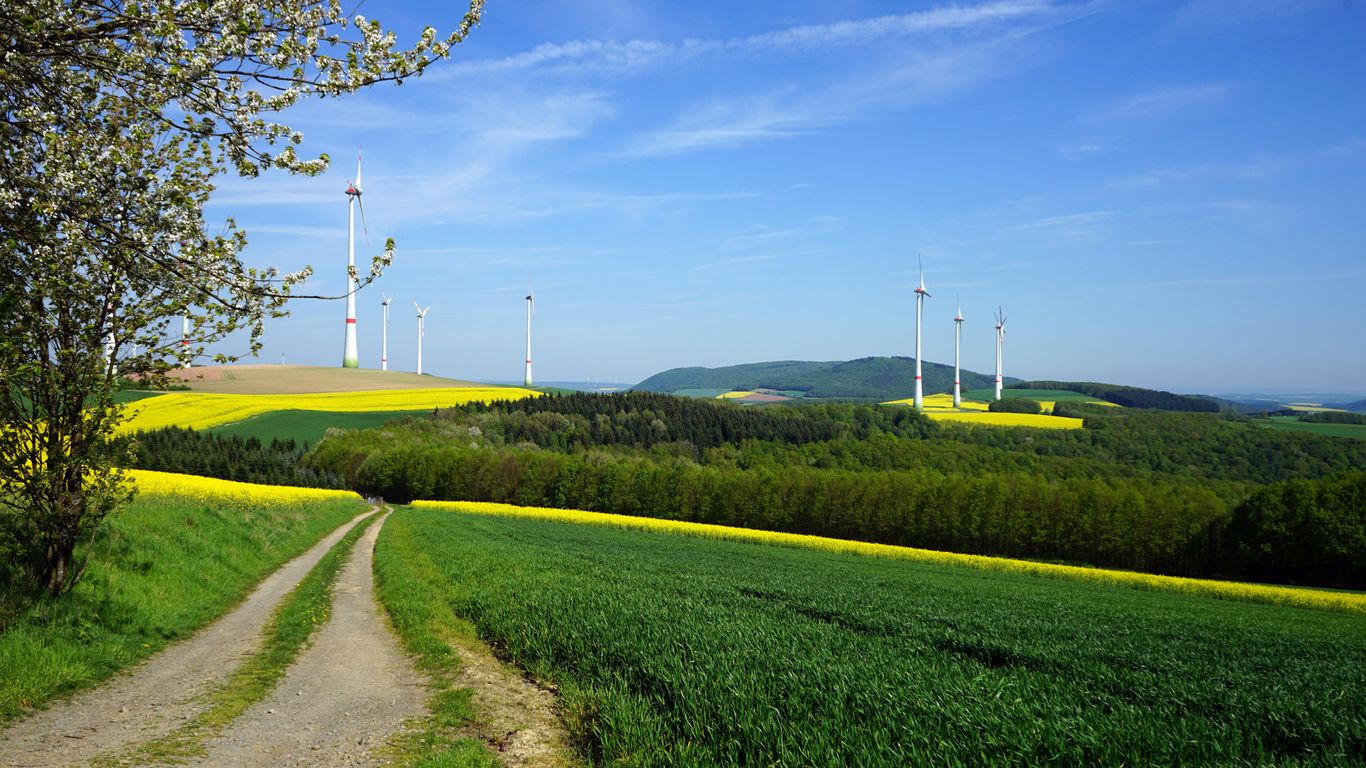
Financial institutions are really stepping up to play a bigger part in the shift towards a more sustainable economy. It's not just about making money anymore; there's a growing understanding that how we invest and lend has a direct impact on the planet and society. This means banks, asset managers, and insurance companies are having to rethink their strategies and operations.
Developing Adequate Infrastructure
To really get behind green finance, institutions need the right systems in place. This includes things like better data collection and analysis tools to track environmental, social, and governance (ESG) performance. They also need to build internal capacity, training staff to understand and implement sustainability principles across all their activities. This infrastructure is key to making sustainable finance a standard part of business, not just a niche offering. It’s about creating the plumbing for green money to flow effectively.
Creating A Supportive Regulatory Framework
While institutions are making efforts, clear rules from governments and regulators help a lot. Things like the EU's Sustainable Finance Disclosure Regulation (SFDR) provide a common language and set expectations for what counts as sustainable. Having these guidelines helps prevent confusion and makes it easier for investors to compare different products. The recent proposed revisions to SFDR, for instance, aim to refine how financial products are classified and disclosed, making the market more transparent [93ab].
Commercial Banks' Commitment To Sustainability
Many commercial banks are now actively integrating sustainability into their core business. This can mean offering green loans for energy-efficient projects, issuing green bonds, or divesting from fossil fuel industries. Some banks are setting ambitious targets for reducing their own carbon footprint and that of their portfolios. It's a complex process, but the commitment is growing.
Insurance Companies' Role In Green Finance
Insurance companies have a unique position. They face risks from climate change themselves, so they have a vested interest in promoting resilience and sustainability. They can offer insurance products that support renewable energy projects or incentivize climate-friendly behaviour. Furthermore, their investment portfolios, often very large, can be directed towards sustainable assets, providing significant capital for the transition.
Asset Managers' Focus On ESG
Asset managers are increasingly incorporating ESG factors into their investment decisions. This means looking beyond just financial returns to consider how companies perform on environmental and social issues. They are developing new funds focused on sustainability themes and engaging with companies to encourage better ESG practices. This pressure from asset managers can be a powerful driver for corporate change.
Addressing Accusations Of Greenwashing
One of the biggest challenges is making sure that claims about sustainability are genuine. 'Greenwashing' – making something sound more environmentally friendly than it is – erodes trust. Financial institutions are under pressure to be more transparent about their sustainability strategies and the actual impact of their investments. This requires robust reporting and clear evidence to back up their claims.
Strengthening The Financial Sector's Climate Action
Ultimately, the financial sector needs to be a proactive force in tackling climate change. This involves not only reducing its own impact but also directing capital towards solutions. It means supporting businesses that are innovating in clean energy, sustainable agriculture, and circular economy models. The goal is to align financial flows with the urgent need for climate action.
Collaborating For A Sustainable Financial System
No single institution can solve these challenges alone. Collaboration is key. This involves working with regulators, policymakers, businesses, and civil society organisations. Sharing best practices, developing common standards, and pooling resources can accelerate the transition to a truly sustainable financial system. It's about building a collective effort for a greener future.
Understanding Sustainable Investment Products
When we talk about ethical investing in Germany, a big part of it is understanding the different kinds of products available. It's not just one big pot; there's a whole range of options designed to align your money with your values. The variety of sustainable investment products has grown significantly, making it easier for investors to find something that fits their specific goals.
Defining Sustainability-Themed Funds
These funds focus on specific business areas or assets that are directly linked to sustainability. Think of companies involved in renewable energy, clean water technology, or sustainable agriculture. They're essentially financing sectors that are working towards a greener or more equitable future. It's a way to put your money into areas that are actively trying to solve environmental or social problems.
Criteria For Exclusionary Screening
This is one of the older methods in ethical investing. With exclusionary screening, you're essentially saying 'no' to certain types of investments. Funds might exclude companies involved in things like tobacco, controversial weapons, or fossil fuels. It's about avoiding investments that go against your ethical stance. The idea is to steer clear of industries that are seen as harmful or unethical. It's a straightforward way to ensure your money isn't supporting activities you disagree with.
The Application Of ESG Criteria
ESG stands for Environmental, Social, and Governance. Many funds now use these criteria to assess companies. Environmental factors look at a company's impact on the planet – things like carbon emissions, waste management, and resource use. Social factors consider how a company treats its employees, customers, and the wider community – think labour practices, diversity, and data privacy. Governance looks at how a company is run – its board structure, executive pay, and shareholder rights. Integrating ESG criteria means looking at the whole picture of a company, not just its financial performance.
Investment Vehicles For Renewable Energy
These are pretty self-explanatory. They are investment products specifically designed to fund projects in renewable energy, such as solar farms, wind turbines, or geothermal plants. They can take various forms, including bonds, equities, or specialised funds. Investing in these vehicles directly supports the transition away from fossil fuels and helps build a cleaner energy infrastructure. It's a tangible way to contribute to climate action.
Funds Focused On Environmental Solutions
Going a step further than just renewables, these funds target companies that are developing innovative solutions to environmental challenges. This could include businesses working on pollution control, sustainable waste management, water purification, or even developing new materials that are better for the environment. They are often at the cutting edge of environmental technology and innovation.
Products Supporting Social Impact
While environmental concerns often take centre stage, social impact is equally important. These products focus on companies or projects that aim to create positive social change. This might involve investments in affordable housing, access to education or healthcare, fair labour practices, or community development initiatives. They aim to generate both a financial return and a measurable positive impact on society.
The Growing Variety Of Sustainable Offerings
It's clear that the market for sustainable investment products is expanding rapidly. From funds that exclude certain industries to those that actively seek out companies with strong ESG performance or those focused on specific environmental or social goals, there's a lot more choice than there used to be. This growth reflects increasing investor demand and a greater awareness of the impact our financial decisions can have. It's becoming easier for individuals in Germany to align their investments with their personal values, contributing to a more sustainable financial system. The German financial sector, known for its stability, is increasingly embracing these sustainable finance trends.
Aligning Investments With Personal Values
Ultimately, the goal of these diverse products is to allow investors to align their financial goals with their personal ethics and values. Whether your priority is climate action, social justice, or good corporate governance, there's likely a sustainable investment product out there for you. It's about making your money work for you, but also for the kind of world you want to live in. This conscious approach to investing is becoming a significant part of the financial landscape in Germany and beyond.
The German Approach To Climate Policy Integration
Integrating finance into climate and energy policy has become a central challenge for governments worldwide. Emissions reduction plans need proper funding, and investments that could undermine these goals must be curtailed. Despite its reputation as an energy transition pioneer, Germany has been a bit slow to fully harness the potential of its financial sector to support climate objectives. The current government coalition has pledged to accelerate the country's role in sustainable investment practices and embed the financial sector more deeply within its climate policies.
Integrating Finance Into Climate Goals
Germany's journey towards aligning its financial sector with climate goals has been a gradual one. While the country has a long history with renewable energy and the Energiewende (energy transition), its approach to sustainable finance lagged behind many European counterparts for some time. This meant that significant opportunities to fund cleaner alternatives and divest from CO2-intensive projects were not fully capitalised upon.
Cutting Back CO2-Intensive Projects
A key aspect of this integration involves actively reducing investments in projects that contribute heavily to carbon emissions. This requires financial institutions to reassess their portfolios and make conscious decisions to shift capital away from fossil fuels and towards sustainable alternatives. The aim is to prevent investments that could lead to stranded assets or hinder the achievement of climate targets.
Funding Cleaner Alternatives
Conversely, the focus is increasingly on directing funds towards renewable energy, energy efficiency, and other green technologies. This proactive funding is vital for driving innovation and scaling up solutions needed for a low-carbon economy. The government is looking to financial markets to play a significant role in bridging the substantial funding gap required for these initiatives.
The Government's Commitment To Green Practices
The German government has made a clear commitment to embedding sustainability across its policies. This includes developing strategies for green finance, issuing green bonds, and encouraging public investment funds to adopt sustainability principles. The goal is to create an environment where green practices are not just encouraged but become the norm within the financial industry.
Full Integration Of The Financial Sector
The ambition is to move beyond isolated green initiatives and achieve a comprehensive integration of the financial sector into the broader climate policy framework. This means that considerations of environmental, social, and governance (ESG) factors will become standard practice in investment decisions, risk assessments, and corporate strategies.
The Scholz Government's Vow
Chancellor Olaf Scholz and his coalition have explicitly stated their intention to make Germany a leader in sustainable finance. This vow signifies a recognition that financial stability and climate action are intrinsically linked. The strategy aims to reshape the financial sector, with sustainability becoming a guiding principle for its operations and investments.
Developing A Coherent Policy Approach
Achieving this integration requires a well-defined and consistent policy approach. This involves creating clear guidelines, regulatory frameworks, and incentives that support sustainable finance. The government is working to establish European minimum standards for ESG criteria and transparency to ensure a level playing field and drive collective progress.
Strengthening Germany's Green Finance Position
By fully integrating finance with climate policy, Germany aims to bolster its position as a leading location for green and sustainable finance. This not only supports domestic climate goals but also enhances the country's competitiveness in a global market increasingly focused on sustainability. The country needs to bridge an estimated annual funding gap of over 70 billion euros to meet its climate targets by 2050.
The financial sector's role in achieving climate neutrality is undeniable. It acts as a critical enabler, directing capital towards sustainable projects and away from environmentally damaging ones. Without this alignment, ambitious climate goals risk remaining aspirational rather than actionable.
Here's a look at the funding gap Germany needs to address:
Target Year | Emission Reduction Goal | Estimated Annual Investment Need (EUR Billions) |
|---|---|---|
2050 | 95% | 70+ |
This integration is not just about environmental protection; it's also about long-term economic stability and competitiveness in a world that is increasingly prioritising sustainability. The government's commitment signals a decisive shift towards making finance a proactive partner in the energy transition.
Key steps in this integration process include:
- Policy Alignment: Ensuring that financial regulations and incentives support climate objectives.
- Market Development: Encouraging the growth of green financial products and markets.
- Risk Management: Integrating climate-related risks into financial institutions' risk assessment frameworks.
- International Cooperation: Collaborating with other nations and international bodies to strengthen the global sustainable finance architecture, such as enhancing partnerships among vertical climate and environmental funds (VCEFs) [fb0e].
- Transparency and Disclosure: Mandating clear reporting on ESG performance and climate impact.
International Comparisons In Sustainable Finance
When we look at how Germany stacks up against other countries in the sustainable finance world, it's a bit of a mixed bag. While Germany is certainly making strides, it's not always leading the pack.
Germany's Lagging Position In Some Metrics
It's fair to say that Germany sometimes lags behind when you compare certain sustainability metrics. For instance, a report from the Carbon Disclosure Project (CDP) showed that only a small fraction of German companies received top marks for managing climate risks. Compared to countries like Japan and France, Germany's performance in this area wasn't as strong. This suggests there's room for improvement in how German businesses approach transparency and strategy regarding their environmental impact.
Comparison With Other European Countries
Looking at the broader European landscape, Germany's position is interesting. The market for ESG Euro credit and loans has seen steady issuance, but not necessarily explosive growth. While this shows a stable commitment, other nations might be pushing the boundaries more aggressively. The EU's push for sustainable finance, with initiatives like the taxonomy, is certainly putting pressure on all member states, including Germany, to align their regulations and practices.
Germany's Share Of The European Green Funds Market
Germany holds a significant share of the European green funds market, but it's not the sole dominant player. The market is competitive, with various countries contributing to the overall growth of sustainable investment products. The development of initiatives like Germany's Green and Sustainable Finance Cluster shows a clear intent to build the necessary infrastructure and regulatory support, but the actual market share can fluctuate based on product innovation and investor appetite across the continent.
Benchmarking Against Global Leaders
When we benchmark Germany against global leaders, the picture becomes clearer. Countries that have been proactive in integrating sustainability into their financial systems for longer periods often show more advanced frameworks and higher levels of investor engagement. The focus on ESG criteria is becoming more widespread, but the depth of integration and the maturity of the market can vary significantly.
Lessons From France's Disclosure Requirements
France, for example, has implemented robust disclosure requirements that push companies to be more transparent about their environmental and social impact. This has helped create a more informed market and potentially reduced instances of greenwashing. Learning from such approaches could help Germany strengthen its own regulatory framework and encourage greater accountability.
Learning From Norway's Pension Fund Integration
Norway's approach with its sovereign wealth fund offers another valuable lesson. The fund's long-term strategy incorporates sustainability considerations deeply, demonstrating how large institutional investors can drive change. This kind of integration, where sustainability is not an add-on but a core part of the investment philosophy, is something many countries, including Germany, are striving towards.
China's Push For Green Finance In The G20
On a global stage, China's increasing focus on green finance, particularly within forums like the G20, highlights a worldwide shift. While Germany is a key player in Europe, understanding the dynamics of green finance in major economies like China is important for a complete global perspective. Their efforts can influence international standards and investment flows.
The Importance Of International Cooperation
Ultimately, international cooperation is key. Sharing best practices, aligning regulatory approaches where possible, and learning from each other's successes and challenges will be vital. The sustainable finance landscape is global, and Germany's progress will be influenced by, and in turn influence, these international trends.
The drive towards sustainable finance is a global phenomenon, and while Germany has a strong commitment, looking at international comparisons provides valuable insights into areas where further development and adaptation might be beneficial. It's about continuous improvement and learning from a diverse range of approaches worldwide.
The Impact Of ESG On Corporate Strategy
It's becoming clear that Environmental, Social, and Governance (ESG) factors aren't just a side note anymore; they're fundamentally changing how businesses operate. ESG is now a core part of strategic planning and regulatory compliance. This shift means companies have to think differently about their impact, not just on profits, but on the planet and people too. It’s more than just marketing; it’s about embedding sustainability into the very fabric of the business.
ESG As More Than Just Marketing
For a while, some companies treated ESG as a bit of a PR exercise. You know, a few green initiatives here, a bit of social good there, and hope for the best. But that approach just doesn't cut it anymore. Consumers, employees, and investors are much savvier now. They want to see genuine commitment, not just a glossy report. This means companies need to be honest about their environmental footprint and how they treat their workers and communities. It’s about building trust, and that takes real action.
Significant Impact On Business Models
This isn't just about tweaking existing operations; it's about rethinking entire business models. For example, a company heavily reliant on fossil fuels might need to pivot towards renewable energy sources. Or a manufacturing firm might need to redesign its supply chain to be more ethical and less wasteful. This transformation can be challenging, but it also opens up new opportunities for innovation and market leadership. Europe, for instance, is really pushing forward with ideas like the circular economy, which could reshape many industries [949e].
CSRD's Reinforcement Of ESG Focus
The Corporate Sustainable Reporting Directive (CSRD) is a big deal here. It's moving ESG reporting from voluntary guidelines to mandatory requirements for many companies. This means businesses will have to provide detailed, reliable information about their sustainability performance. It’s a significant step towards greater accountability and transparency. Companies will need robust systems in place to collect and report this data accurately.
Binding ESG Specifications
Beyond reporting, we're seeing more concrete ESG specifications becoming binding. This could be through regulations, industry standards, or even contractual agreements with suppliers and customers. For instance, a company might be required to meet certain carbon emission reduction targets or ensure fair labour practices throughout its supply chain. These aren't suggestions; they are requirements that businesses must meet to operate effectively and maintain their market access.
The Urgency Of Climate Protection
Climate change is no longer a distant threat; it's a present reality. The urgency to address it is driving many of these ESG changes. Companies are under pressure to reduce their greenhouse gas emissions, invest in cleaner technologies, and adapt to the physical impacts of climate change. This focus on climate protection is becoming a non-negotiable aspect of corporate strategy.
Transforming The German Economy
Germany, with its strong industrial base, is particularly focused on this transformation. The country's commitment to the energy transition (Energiewende) means businesses are increasingly expected to align their strategies with national and international climate goals. This involves significant investment in green technologies and a move away from carbon-intensive activities. It’s a massive undertaking, but one that’s seen as vital for long-term economic health and competitiveness.
Deriving Actionable Requirements From Studies
Companies are increasingly using data and research to inform their ESG strategies. Instead of guesswork, they're looking at studies on climate risks, social impacts, and governance best practices to figure out what actions will have the most positive effect. This evidence-based approach helps ensure that sustainability efforts are not only well-intentioned but also effective and aligned with business objectives. It’s about making informed decisions that benefit both the company and society.
Addressing Systemic Risks
Finally, ESG strategy is also about managing systemic risks. Issues like climate change, social inequality, and poor governance can pose significant threats to businesses and the wider economy. By proactively addressing these ESG factors, companies can build greater resilience and contribute to a more stable and sustainable future. This holistic view is essential for long-term success in today's interconnected world [a004].
Financing The Energy Transition In Germany
Germany's ambitious energy transition, the Energiewende, requires substantial financial backing. While the country has a reputation for pioneering renewable energy, it's been a bit slower to fully harness the power of sustainable finance to fund this massive shift. This means getting banks, insurance companies, and investment funds on board to move away from CO2-heavy projects and put more money into cleaner alternatives. The current government has made it clear they want to speed this up and make sure the financial sector is fully involved in climate goals.
The Energiewende's Funding Needs
The shift to renewable energy sources, electric vehicles, and digital technologies all need significant investment. To make the Paris Agreement goals a reality, we're talking about huge sums of money, potentially a large chunk of national budgets. This transition needs a parallel decrease in fossil fuel investments and a rise in funding for low-carbon options and energy-efficient tech. It's a big challenge, but also a chance to reshape how we invest.
The Role Of Specialized Mediators
Interestingly, a lot of the investment in green projects comes from individual citizens and smaller investors, often working through specialised intermediaries. While private individuals, cooperatives, and small to medium-sized businesses own more than half of Germany's renewable energy capacity, larger financial institutions have played a smaller role. This suggests a gap in how mainstream finance is engaging with the energy transition.
Ownership Of Renewable Energy Capacity
As mentioned, individuals and smaller groups are major players. This distributed ownership model is quite unique and shows a strong public interest in renewable energy. However, there's a push to see if public and cooperative banks can become more aware of the green finance market's potential, moving beyond just local projects. A more coordinated effort could really help Germany accelerate its green finance principles across the board.
Banks' And Funds' Share In Financing
While individual investors are leading the charge, banks and funds have historically accounted for a smaller portion of the financing for renewable energy. This is an area where there's a clear opportunity for growth and increased involvement. The market is seeing a growing volume of green products, and financial institutions are calling for clearer guidelines and risk assessment metrics to help them participate more effectively.
Public And Cooperative Banks' Awareness
There's a recognised need to boost the awareness and engagement of public and cooperative banks in the green finance market. These institutions, often deeply connected to local communities, could play a significant role in spreading green finance principles. Their involvement is key to potentially leapfrogging development and quickly embedding sustainable practices across the entire financial sector.
Potential For Leapfrogging Development
By better integrating finance with climate policy, Germany has the potential to 'leapfrog' development stages. This means not just catching up but actively leading in innovative green finance solutions. The country's strong position in financial markets allows it to borrow at low interest rates, which is a comparative advantage for funding new energy transition technologies and boosting green exports. A new "Germany Fund" is being established to supplement existing funds, aiming to specifically unlock private capital for municipal energy infrastructure projects, which should accelerate the transition at the local level. A new "Germany Fund" is being established.
Spreading Green Finance Principles
Ultimately, the goal is to spread green finance principles widely. This involves not only increasing investment volumes but also ensuring that financial institutions are actively contributing to climate goals. It's about transforming the German economy and making sustainability a guiding principle for all financial activities related to the energy transition.
The Significance Of Local Projects
Local projects are incredibly significant. They are often the bedrock of the Energiewende, driven by community interest and smaller investors. Supporting and scaling these initiatives, perhaps through more accessible financing from public and cooperative banks, is vital for a successful and inclusive energy transition. This grassroots approach, when combined with broader financial sector engagement, can create a powerful engine for change.
Navigating Regulatory Uncertainty
It feels like every time you turn around, there's a new rule or guideline popping up in the world of sustainable finance. This constant flux can make it tricky for everyone involved, from big banks to individual investors. The sheer volume of new regulations, coupled with ongoing discussions about their specifics, creates a landscape that's anything but settled.
Growing Market Volume and Regulatory Intervention
The sustainable finance market is growing fast, and with that growth comes more attention from regulators. They're trying to keep pace, which means new rules are appearing quite regularly. It's a bit like trying to build a house while the blueprints are still being drawn – challenging, to say the least.
Calls for Clarification of Future Guidelines
Many in the industry are asking for more clarity on what's coming next. Knowing the direction of travel for future guidelines is key for making sensible investment decisions. Without it, planning long-term strategies becomes a guessing game.
Need for Clear Risk Assessment Metrics
Assessing the risks associated with sustainable investments isn't always straightforward. There's a real need for clear, standardised ways to measure these risks. This would help investors make more informed choices and avoid potential pitfalls.
Industry's Embrace of Sustainability
Despite the uncertainty, the financial industry is largely getting on board with sustainability. Many firms see the long-term value and are actively working to integrate ESG principles into their operations. It’s not just a trend; it’s becoming a core part of how business is done.
Boosting Investment Volumes
Clearer regulations and better risk assessment tools could really help to boost investment volumes. When investors feel more confident about the rules and the risks, they're more likely to put their money into sustainable projects and funds.
The Role of Industry Associations
Industry groups are playing an important part in all of this. They're often the ones talking to regulators, providing feedback, and helping their members understand the new rules. They act as a bridge between the regulators and the market.
Addressing Concerns Over Regulatory Speed
There's a balancing act to be struck. Regulators need to act to address risks and promote sustainability, but they also need to consider the pace at which the industry can adapt. Moving too fast can cause disruption, while moving too slowly can mean missed opportunities.
Ensuring Coordinated Rule Implementation
With regulations coming from both the EU and national bodies, making sure everything works together smoothly is a big task. A coordinated approach is vital to avoid conflicting requirements and to create a stable environment for sustainable finance to thrive.
The push for sustainability in finance is undeniable, but the path forward is still being paved. As regulations evolve, clarity and consistency will be paramount for building trust and encouraging the widespread adoption of green financial practices. The industry is adapting, but the need for stable, well-defined rules remains a significant factor in unlocking the full potential of sustainable investment.
Looking Ahead: The Evolving Landscape of Sustainable Finance in Germany
So, as we wrap up our look at sustainable finance in Germany for 2026, it's clear things are moving. The interest is definitely there, from everyday people wanting their money to do good, to big institutions and government bodies pushing for change. We've seen growth, and while there are still hurdles, like making sure information is clear and accessible for everyone, the direction seems set. It’s not just a niche thing anymore; it’s becoming a bigger part of how money works in Germany. The push for more transparency and actual impact, not just talk, will likely keep shaping the market. It’ll be interesting to see how these trends continue to develop and what new opportunities and challenges arise in the coming years.
Frequently Asked Questions
What is ethical investing in Germany?
Ethical investing means putting your money into companies or projects that are good for people and the planet, not just for making profit. In Germany, this is becoming more popular as people want their money to do good things, like helping the environment or treating workers fairly.
Is ethical investing growing in Germany?
Yes, it's growing a lot! More and more people want to invest ethically. Even though big investors are putting in most of the money, smaller investors are showing a much faster increase in interest, showing more people are getting involved.
What does ESG mean for investments?
ESG stands for Environmental, Social, and Governance. It's a way to check if a company is doing well in areas like protecting the environment (E), treating people well (S), and running the company honestly (G). Investors use these checks to decide where to put their money.
Are there special rules for ethical investing in Germany?
Yes, the European Union (EU) has made new rules, like the CSRD and the EU Taxonomy, that are making companies report more about their environmental and social impact. This helps investors know more about what they are investing in.
Why do people in Germany not invest in the stock market as much?
Many Germans prefer to keep their money in savings accounts or similar safe places. They might be a bit unsure about the financial markets or prefer simpler, more traditional ways of saving. Also, Germany has a strong public retirement system, which means people might feel less need to invest for their old age.
What are the main challenges for ethical investing in Germany?
One big challenge is that it can be hard for regular people to get clear information about how ethical their investments really are. Also, sometimes companies or funds might say they are 'green' when they are not, which is called greenwashing. There aren't always strong rules to stop this.
Do ethical investments make less money?
Studies show that ethical investments don't necessarily make less money in the long run. In fact, focusing on good environmental and social practices can help companies avoid problems and create more value over time, which can be good for investors.
What is the role of German banks in ethical investing?
German banks, including public, cooperative, and commercial banks, are getting more involved. They are starting to offer more ethical investment options and are being encouraged to fund greener projects. However, some banks are still learning and need more guidance.
What is 'greenwashing' and how is Germany dealing with it?
Greenwashing is when a company or fund pretends to be more environmentally friendly or socially responsible than it actually is. Germany and the EU are working on stronger rules and better reporting to make it harder for companies to mislead investors.
How does Germany compare to other countries in ethical investing?
While Germany is making progress, it has sometimes lagged behind other European countries in certain areas of ethical investing. However, Germany is aiming to become a leader in green finance and is working to catch up and implement strong policies.
What is the 'Energiewende' and how does it relate to finance?
The Energiewende is Germany's plan to switch to renewable energy. Financing this huge shift requires a lot of money, and ethical investing plays a key role by directing funds towards clean energy projects and away from fossil fuels.
What are the future trends for ethical investing in Germany?
We expect ethical investing to keep growing, with a stronger focus on real impact, not just marketing. Rules will become more binding, and there will be more attention on human rights and protecting nature, like biodiversity.