
On this page
Finding the right online broker in Germany for 2026 can feel like a real puzzle.
There are so many options out there, and they all promise the moon, right? Whether you're just starting out or you've been trading for a while, you need a platform that's reliable, easy to use, and importantly, regulated.
We've looked into some of the top contenders to help you figure out which of the best online brokers Germany 2026 has to offer might be the best fit for your trading style and goals.
It’s not just about picking any broker; it’s about finding one that works for you.

Financial Advisory for Expats in Germany
In our free digital 1:1 consultation, our independent investment advisors help you develop a plan for your wealth accumulation that fits your financial goals.
Key Takeaways
- Pepperstone is noted for its speed and transparency, with regulation from BaFin and other top bodies.
- Capital.com offers an AI-driven platform and is regulated by FCA, CySEC, and ASIC.
- Interactive Brokers provides access to a vast number of global markets and is known for its execution and low margin rates.
- TradeStation Global, powered by Interactive Brokers' platform, also offers extensive international market access.
- Fidelity Investments allows trading in 25 markets and offers the flexibility to settle trades in USD or local currency.
- Charles Schwab enables trading of foreign stocks and ADRs on OTC markets.
- Markets.com is recognised for its user-friendly platform and wide range of trading instruments.
- MiTrade is becoming popular due to competitive spreads and good customer support, especially for beginners.
1. Pepperstone
Pepperstone has really made a name for itself, especially among traders who are serious about their craft. It's an Australian broker, but it's got a strong presence in Germany, offering a trading environment that feels both secure and really straightforward. They're known for being pretty transparent, which is always a good sign when you're putting your money on the line.
What stands out is their focus on speed and efficiency. If you're someone who trades frequently, you'll appreciate how quickly orders get processed. They offer access to popular trading platforms like MetaTrader 4, MetaTrader 5, and cTrader, so you're likely to find the one you're comfortable with. Plus, they're regulated by some pretty big names, including the FCA and BaFin, which adds another layer of trust.
Here's a quick look at some of their key features:
- Low Spreads: Pepperstone is often praised for having some of the tightest spreads in the business, meaning your trading costs can be kept quite low.
- Multiple Platforms: You get to choose from MT4, MT5, and cTrader, giving you flexibility.
- Strong Regulation: They hold licenses from several reputable bodies, including ASIC, FCA, and BaFin, which is a big deal for traders in Germany.
- No Requotes: This is a big one – they aim to execute your trades at the price you see, without any nasty surprises.
They also provide a range of tools and resources that can help you get better at trading. It feels like they've thought about what active traders really need to succeed.
When you're looking at brokers, the minimum deposit is often a sticking point, but Pepperstone is known for having a $0.00 minimum deposit, which is pretty fantastic for getting started without a huge initial commitment.
2. Capital.com
Capital.com has made a name for itself by offering a pretty straightforward trading experience, which is good news if you're just getting started or don't want to get bogged down in complicated stuff. They provide access to a decent range of markets, including forex, stocks, and cryptocurrencies, all under the watchful eye of CySEC regulation. This means there's a level of oversight that should give you some peace of mind.
One of the things that stands out is their focus on keeping things simple. You won't find a million different account types or confusing fee structures here. They aim for a clear, commission-free trading environment with tight spreads, which is a big plus for keeping your costs down. The onboarding process is also designed to be quick, so you can get up and running without too much delay.
When you're looking at different platforms, it's always worth considering how easy it is to actually use them. Capital.com has both desktop and mobile platforms, which is handy for trading on the go. They also provide real-time data, so you're not trading with old information. It’s worth checking out their educational materials too, as they can be quite helpful for understanding market movements, especially when looking at things like US inflation trends.
Here’s a quick look at what they generally offer:
- Market Access: Forex, stocks, indices, crypto.
- Regulation: CySEC.
- Fees: Generally 0% commission, with tight spreads.
- Platforms: Desktop and mobile trading.
- Onboarding: Designed to be fast and simple.
For those new to trading or looking for a no-fuss approach, Capital.com presents a solid option. Their emphasis on user-friendliness and regulatory compliance makes them a notable player in the German market. It’s about making trading accessible without sacrificing security.
While they focus on simplicity, it’s still important to remember that trading always involves risk. Understanding the markets, like the performance of indices such as the DAX Futures, is key. They also offer tools and resources that can help you make more informed decisions, which is always a good thing when you're dealing with financial markets and share trading analysis.
3. Interactive Brokers
Interactive Brokers is a big name in the trading world, and for good reason. They really do seem to offer access to pretty much anything you can trade on a public market. We're talking markets in 36 different countries and territories, which is quite a lot when you think about it. So, if you're looking to trade beyond just the usual German or UK stocks, they've got you covered.
People often mention their trade execution as being really good, and their trading platforms are generally well-liked. Plus, their margin rates are known for being low, which can make a difference if you're trading with borrowed funds. You can trade standard US stocks and a whole load of other securities on their Pro and Lite accounts. The Lite account is particularly interesting because it comes with zero commissions, which is always a plus for keeping costs down.
Here's a quick look at what they offer:
- Extensive Market Access: Trade across 36 global markets.
- Platform Choice: Access to powerful trading platforms.
- Competitive Pricing: Low margin rates and a commission-free Lite option.
- Execution Quality: Known for reliable trade execution.
It's worth noting that trading in financial instruments, especially derivatives like options and futures, or trading on margin, carries significant risk. These aren't suitable for everyone, particularly those new to investing or with a low tolerance for risk. You could lose more than you initially invest, so it's important to understand these risks fully before you start. Always check their official disclosures for the full picture.
4. TradeStation
TradeStation is a platform that offers a lot for traders, especially those looking to get into futures. They have competitive fees for futures trading, which is a big plus, and a wide selection of contracts available. This makes them a solid choice if you're interested in things like trading micro EUR/USD futures, for example.
While their core platform is quite capable, some users have mentioned that the desktop version could use a bit of a refresh. It's functional, no doubt, but perhaps not as slick as some of the newer interfaces out there.
For those wanting to trade internationally, TradeStation offers a specific account called TradeStation Global. This account actually uses the infrastructure of Interactive Brokers’ platform, giving you access to markets in 36 countries. So, you get TradeStation's charting and analysis tools, but with the global reach powered by another major player. It's an interesting setup that combines features from both.
Here’s a quick look at what TradeStation brings to the table:
- Futures Trading: Strong fee structure and a broad range of contracts.
- International Access: TradeStation Global provides access to 36 countries.
- Platform Tools: Utilises its own charting and analysis tools, plus access to Interactive Brokers' systems via TradeStation Global.
The economic landscape is always shifting, and with expectations for potential rate cuts by the Federal Reserve, understanding how these changes might affect your trading strategy is important. Keeping an eye on market data and economic indicators can help you make more informed decisions.
Overall, TradeStation is a robust option, particularly if futures are your main focus, and their global offering is quite extensive, even if it does rely on a partnership for that international reach.
5. Fidelity Investments
Fidelity Investments is a big name in the financial world, and for good reason. When it comes to international trading, they give you access to a decent spread of markets – think around 25, covering major areas like Canada, Germany, and Hong Kong. It’s not the absolute widest reach compared to some others, but it’s certainly enough for many investors looking to diversify beyond their home market.
One of the handy things they offer is the ability to settle your trades in either pounds sterling or the local currency of the market you're trading in. This can make things a bit simpler, depending on your preference. Plus, you get real-time market data when those foreign exchanges are actually open, which is pretty important if you're trying to catch specific trading windows.
Fidelity allows you to trade both UK stocks and foreign shares within the same account, which really streamlines the whole process. No need to juggle multiple accounts, which is always a plus in my book. It just makes managing your investments that bit easier.
Here’s a quick look at what they provide for international trading:
- Market Access: Access to approximately 25 international markets.
- Currency Settlement: Option to settle trades in local currency or GBP.
- Data Feed: Real-time market data for active foreign markets.
- Account Management: Unified account for both domestic and international securities.
While they might not boast access to every single obscure market out there, Fidelity provides a solid and accessible platform for UK investors wanting to explore international stocks. It’s a good option if you value a well-known brand and a straightforward approach to global investing. For those looking to expand their portfolio, considering international stocks can open up new avenues, especially with changes in global economies creating fresh opportunities.
Trading foreign stocks does come with its own set of risks, like currency fluctuations and different regulatory environments. It’s always wise to do your homework on the specific markets and companies you’re interested in before committing any capital.
6. Charles Schwab
Charles Schwab offers a way for German investors to get involved with international stock markets, though it's not quite as direct as some other platforms. You can trade foreign stocks and American Depositary Receipts (ADRs) on over-the-counter (OTC) markets in various countries, including Germany itself, Canada, and Mexico. This means you're not always trading directly on the local exchange, but rather through a secondary market here in the US.
For those looking for a more direct connection, Schwab does have a Schwab Global account. This lets you trade directly in local currencies in about a dozen markets. Germany is one of those markets, alongside places like France, Japan, and the UK. It's a good option if you want to hold foreign stocks and manage them alongside your US holdings in the same account, which simplifies things a bit.
The main advantage here is the integration with your existing Schwab account, making it easier to manage your overall portfolio. However, it's worth noting that the range of foreign stocks available might be more limited compared to brokers that specialise purely in international trading. You'll want to check if the specific companies you're interested in are accessible.
When trading internationally, remember there are extra things to consider:
- Currency Risk: Fluctuations in exchange rates can affect the value of your investment when converted back to Euros.
- Regulatory Differences: Each country has its own set of rules and governance, which can be different from what you're used to.
- Market Hours: You'll need to keep an eye on the trading hours of the foreign exchanges.
It's a solid choice for existing Schwab customers who want to dip their toes into international markets without opening a whole new account. Just be sure to do your homework on the specific stocks and markets you're targeting. The German government is planning increased fiscal spending for the upcoming year, which could influence market conditions [0886].
While Schwab provides access, it's important to understand the nuances of OTC trading versus direct exchange access. For some, the convenience might outweigh the slightly less direct route, but for others, a more specialised international broker might be a better fit.
7. Markets.com
Markets.com is a broker that’s been around for a while, and they’ve built a reputation for being pretty straightforward to use. If you’re just starting out or don’t want to get bogged down in complicated software, their platform is designed to be easy to get your head around. It’s not just about Forex either; they give you access to a decent range of other things to trade, like stocks and commodities, which is handy if you want to spread your bets a bit.
They also put a fair bit of effort into their educational side. You can find webinars and articles there, which can be helpful when you’re trying to figure out what’s what in the markets. It’s this combination of a user-friendly interface and a good selection of trading instruments that makes Markets.com a solid choice for many German traders.
Here’s a quick look at what they generally offer:
- User-Friendly Platform: Designed with simplicity in mind.
- Wide Range of Assets: Forex, stocks, commodities, and indices.
- Educational Resources: Webinars and articles to help you learn.
- Account Options: Various account types to suit different needs.
When you're looking at brokers, it's always a good idea to see how they stack up against others. For instance, understanding how global economic conditions, like those influenced by AI investments and tariffs, might affect your trades is important. Global economic conditions can shift quickly.
While Markets.com aims for simplicity, remember that trading always involves risk. It’s wise to start with a demo account if they offer one, and to only invest what you can afford to lose. Getting a handle on the basics before you commit real money is key.
8. MiTrade
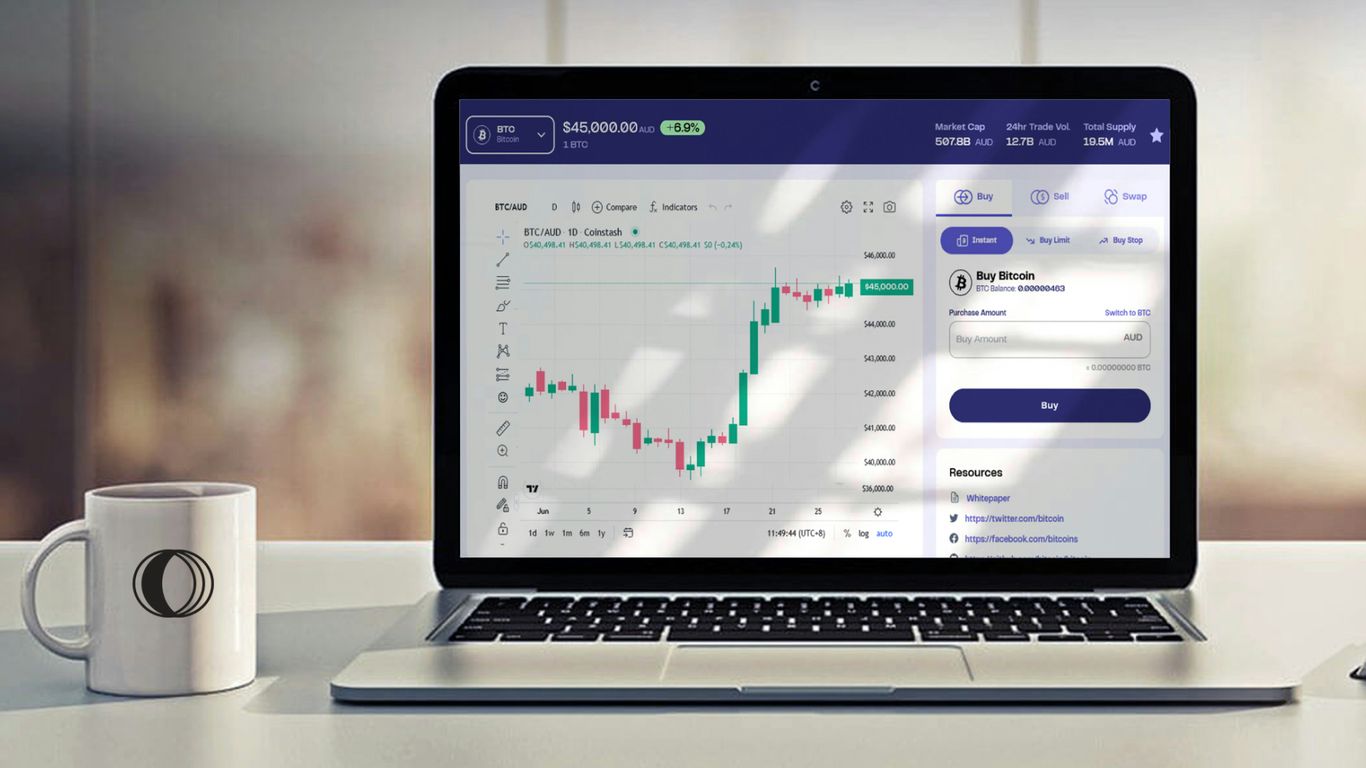
MiTrade is a broker that's been making waves, particularly with folks just starting out in trading. They've focused on making things straightforward, which is a big plus when you're trying to get your head around the markets.
One of the main draws is their trading platform. It's designed to be easy to use, so you're not spending all your time figuring out the software instead of actually trading. They also offer competitive spreads, meaning the difference between the buying and selling price is kept low. This can make a difference, especially if you're planning on making a lot of trades.
Here's a quick look at what they offer:
- User-friendly platform: Great for beginners.
- Competitive spreads: Helps keep trading costs down.
- Demo account: Lets you practice without risking real money.
- 24/7 customer support: Available when you need it.
MiTrade seems to be aiming for traders who want a no-fuss experience. They're not trying to be everything to everyone, but for those who value simplicity and affordability, they could be a good fit. It's worth checking out their demo account to see if it clicks with your trading style before you commit any funds.
9. IC Markets

IC Markets is a broker that really stands out if you're into fast trading. They're known for having super quick order execution, which is a big deal for people who trade a lot, like scalpers or those using automated systems. They offer access to the interbank market, meaning you get really tight spreads and commissions that are pretty low. This is great for keeping your trading costs down, especially when you're making many trades.
They support popular platforms like MetaTrader 4 and MetaTrader 5, which are packed with tools for analysis. Plus, IC Markets is regulated by several authorities, which gives you a good sense of security. It's a solid choice for traders who prioritise speed and competitive pricing.
Here's a quick look at what they offer:
- ECN Trading: Direct access to the market for better pricing.
- Advanced Platforms: MetaTrader 4 and MetaTrader 5 are available.
- Global Regulation: Multiple regulatory bodies oversee their operations.
- Low Latency: Fast execution speeds are a key feature.
The Federal Reserve's decision to end its quantitative tightening program from December 1, 2025, with a monthly Treasury rolloff cap of $5 billion, could influence market conditions for traders. It's worth keeping an eye on how these monetary policy shifts might affect currency pairs and other assets you trade.
If you're looking for a broker that focuses on providing a high-performance trading environment, IC Markets is definitely worth considering. Their setup is geared towards traders who need reliability and speed, especially when dealing with volatile markets. They've built a reputation for being a go-to for serious traders, and it's easy to see why when you look at their trading conditions.
10. XM
XM is a broker that has made a name for itself globally, and it's easy to see why. They offer a pretty wide selection of trading tools, and importantly, they seem to put a lot of effort into providing educational materials for their clients. This focus on transparency is a big plus, making them feel like a more trustworthy option for people trading.
One of the standout features is their 'No Requotes' policy. Basically, they promise that if you place an order, it'll be executed at the price you asked for, no funny business. This is quite reassuring, especially when markets are moving quickly. They also provide a good amount of free educational stuff, like webinars and market analysis, which can genuinely help you get better at trading.
XM offers different types of accounts too, so you can pick one that best suits how you like to trade. It’s not a one-size-fits-all approach, which is always appreciated.
They seem to have a solid grasp on what traders, especially those newer to the game, need to succeed. It's not just about the platform; it's about the support and learning resources too.
11. CapTrader
CapTrader operates a bit differently from other brokers you might encounter. Essentially, they act as an introducing broker for Interactive Brokers. This means CapTrader doesn't actually execute your trades or hold your money directly. Instead, they help you set up your account with Interactive Brokers and provide support for using their trading systems. Think of them as a helpful intermediary.
Their main draw is access to a vast range of global markets and over 1.2 million tradable securities. This is pretty impressive, giving you a lot of options whether you're interested in stocks, ETFs, futures, or options. They also highlight their customer service, with many users praising the helpfulness and competence of their support team.
Here's a quick look at what they offer:
- Global Market Access: Trade on major stock exchanges worldwide.
- Wide Product Range: Stocks, ETFs, futures, options, warrants, and more.
- Customer Support: Often cited as a strong point, with responsive and knowledgeable staff.
- Account Types: Options include individual, joint, family, and company accounts.
They also offer a demo account, which is a good way to get a feel for their platforms and test out trading strategies without risking real money. It's free and has no deadline, so you can take your time exploring.
It's important to remember that while CapTrader provides the support and access, the actual trading and the associated risks are managed through Interactive Brokers. This structure means you benefit from the extensive infrastructure of a large broker while still getting dedicated support from CapTrader.
Thinking about investing in Germany? CapTrader offers a platform to help you manage your money. If you're looking for a place to start your investment journey, check out our website for more details on how we can assist you.
Wrapping Up: Your Trading Journey in Germany
So, that's a look at the online brokers making waves in Germany for 2026. We've seen how platforms like Pepperstone and Capital.com are really stepping up, offering solid tools and support for traders here. It’s good to know there are options out there that are properly regulated by BaFin and give you access to markets worldwide. Whether you're just starting out or you've been trading for a while, picking the right broker is a big deal. Take your time, do your homework, and choose the one that feels right for your trading style and goals. Happy trading!
Frequently Asked Questions
What makes a good online broker in Germany?
A good broker in Germany is one that's watched over by BaFin, the German financial watchdog. They should make it easy to understand their costs, offer a website and support in German, and let you trade on markets all over the world. It's also great if they have good reviews and are known for being safe and reliable.
Are online brokers in Germany safe to use?
Yes, many are very safe, especially those regulated by BaFin. This means they have to follow strict rules to keep your money safe and trade fairly. Brokers also often have licenses from other big financial groups like the FCA in the UK or ASIC in Australia, which adds another layer of security.
What can I trade with German brokers?
You can trade a lot of different things! This includes currencies (like the Euro against the US Dollar), company shares from Germany and other countries, popular items like gold and oil, and even digital money like Bitcoin. It's like having a global market at your fingertips.
Do I need to know German to use a broker?
Not necessarily! While having a German interface and support is a big plus for many traders, some international brokers offer excellent English support and platforms that are easy to navigate even if you don't speak German fluently.
What's the difference between a demo account and a real account?
A demo account is like a practice playground. You get virtual money to try out trading without risking your own cash. It's perfect for learning how the platform works and testing your strategies. A real account is where you use your actual money to trade.
How much money do I need to start trading?
The amount you need varies. Some brokers let you start with as little as $20, while others might have a slightly higher minimum. Some even have a $0 minimum deposit, meaning you can open an account without putting any money in straight away. It’s best to check each broker's specific requirements.
What are spreads and leverage?
A spread is the tiny difference between the buying and selling price of something you want to trade. Leverage is like borrowing money from the broker to make bigger trades than you could with just your own money. It can increase your profits, but also your losses, so it's important to use it carefully.
Are there any extra costs when trading?
Besides spreads, some brokers might charge commissions, which is a small fee for each trade you make. Others offer commission-free trading. It's also worth checking if there are fees for withdrawing money or if the account has inactivity charges.
What is BaFin and why is it important?
BaFin stands for the Federal Financial Supervisory Authority. It's the main financial regulator in Germany. Having a broker that is regulated by BaFin means they have to play by strict rules to protect traders, making them a safer choice.
Can I trade stocks from other countries?
Absolutely! Many German brokers give you access to international stock markets like the NASDAQ in the US or the London Stock Exchange. This lets you spread your investments across different companies and countries, which can be a smart move.
What are CFDs?
CFDs, or Contracts for Difference, are a way to bet on whether the price of something (like oil or a stock) will go up or down. You don't actually own the item itself, just the contract. They are popular for trading commodities and indices.
How do I choose the best broker for me?
Think about what's most important to you. Do you want the lowest costs? Easy-to-use platforms? Lots of different things to trade? Good customer support? Reading reviews and comparing what different brokers offer will help you find the perfect fit for your trading style.